
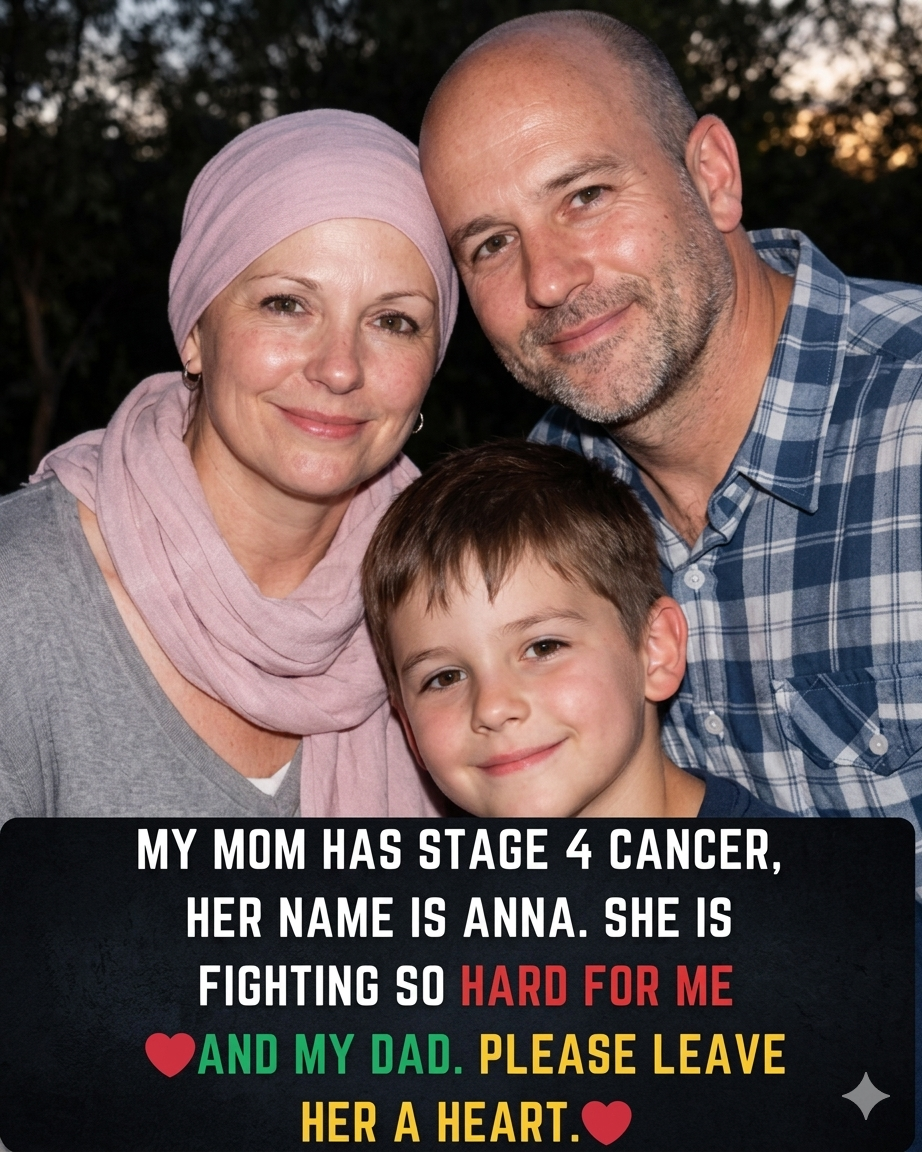
A Daughter's Love, A Mother's Strength
Stories about a parent facing serious illness while a child watches with love and worry are among the most moving things people share online. They resonate because they touch a universal fear and a universal truth: that love becomes most visible, and most powerful, precisely when life becomes hardest.
This article is for anyone walking alongside a loved one through serious illness: what genuinely helps, what to say and what to avoid, how to support the children involved, and how to care for yourself as a caregiver. It draws on widely shared guidance from patient advocacy groups and family counselors, not on any single family's private story.
What a Person Facing Serious Illness Actually Needs
When someone you love receives a devastating diagnosis, the instinct is to fix it. You can't. But there is a great deal you can do that genuinely matters:
- Consistent presence. Showing up regularly, even briefly, matters more than any single grand gesture. A short visit every week beats one dramatic visit a year.
- Practical help. Illness creates a mountain of logistics: rides to appointments, meals, childcare, paperwork, housework. Asking "what can I take off your plate this week?" is more useful than "let me know if you need anything."
- Normalcy. Talk about ordinary things. Share funny stories. Watch a show together. Serious illness can make a person feel like they've become only their diagnosis; treating them as a whole person is a gift.
- Respect for autonomy. Offer help, don't impose it. Ask before making decisions on their behalf, even small ones. Preserving someone's sense of control is deeply dignifying.
- Emotional honesty. You don't need to be relentlessly cheerful. Saying "this is hard and I'm here" is more comforting than forced positivity.
What to Say, and What Not to Say
Words carry extra weight around illness. A few guidelines:
Helpful things to say:
- "I'm here, and I'm not going anywhere."
- "You don't have to be strong around me."
- "Tell me what today is like for you."
- "I love you" (said plainly and often).
- "It's okay to feel however you feel about this."
Phrases to avoid:
- "Everything happens for a reason." (Minimizes their pain.)
- "At least it's not…" (Comparison never comforts.)
- "You just need to stay positive." (Implies that feeling bad is a failure.)
- "I know exactly how you feel." (You don't, and that's okay.)
- Unsolicited stories about other people's illnesses, especially ones that ended badly.
- Medical advice or miracle-cure suggestions. Leave treatment decisions to the patient and their doctors.
The underlying rule is simple: center their experience, not your discomfort with it.
Supporting the Children
When the person who is ill is a parent, the children carry their own heavy load. A child watching a mother face illness needs:
- Age-appropriate honesty. Children sense when something is wrong. Simple, truthful explanations ("Mom is very sick and the doctors are helping her") are less frightening than silence filled with imagined horrors.
- Permission to feel. Sadness, anger, fear, and even moments of normal happiness are all okay. Children shouldn't feel guilty for laughing or playing while a parent is ill.
- Routine and stability. Keeping school, activities, and bedtimes as normal as possible provides security when everything else feels uncertain.
- Their own support person. A trusted aunt, teacher, counselor, or family friend who checks in on the child specifically, not just the patient.
- Inclusion, not burden. Let children help in small ways if they want to (drawing a card, sitting together), but don't make them caregivers beyond their years.
One of the most powerful things a child can witness is a parent facing hardship with honesty and love. That quiet courage becomes part of who the child becomes.
The Caregiver's Survival Guide
If you are the one providing daily care, whether as a spouse, child, or friend, your wellbeing is not a luxury. It is part of the care plan. Depleted caregivers make more mistakes, get sick themselves, and burn out.
- Accept help specifically. When people offer, give them concrete tasks: "Could you drive Mom to Thursday's appointment?" Vague offers evaporate; specific requests get filled.
- Build a rotation. No one person should carry everything. Even a simple shared calendar where friends sign up for meals or visits distributes the load.
- Protect your sleep. Sleep deprivation destroys judgment and health. Arrange overnight coverage so you can rest.
- Keep one non-caregiving anchor. A walk, a hobby, a friend who talks about anything else: protect at least one part of your life that isn't about illness.
- Watch for your own warning signs. Persistent exhaustion, irritability, dread, or numbness signal that you need more support, possibly professional.
- Consider a caregiver support group. Talking with people who truly understand reduces isolation dramatically. Many are available online.
Building a Circle of Support
No family should face serious illness alone, and most communities want to help but don't know how. Making it easy for them multiplies the support:
- Designate a coordinator. One organized friend or relative who fields offers and assigns tasks saves the family from managing volunteers on top of everything else.
- Use a shared tool. Meal-train websites, shared calendars, or a simple group chat keep everyone informed without repeated phone calls.
- List concrete needs. Rides, meals, childcare, yard work, errands: publish the list and let people choose.
- Update regularly. A brief weekly update (even a group message) prevents well-meaning people from calling constantly for news.
- Accept imperfect help. The casserole won't be your recipe. The ride might be early. Gratitude for the spirit matters more than the details.
Finding Hope Without False Promises
Hope and honesty can coexist. Hoping for good days, for effective treatment, for meaningful time together: all of this is real and healthy. What harms is false certainty, in either direction.
Helpful framing focuses on what is true today: "Today was a good day." "The doctors are pleased with this week's results." "We have each other right now." This kind of hope is durable because it doesn't depend on predictions about the future.
It also helps to define what a "good outcome" means beyond cure: comfort, dignity, time together, laughter, peace. When hope includes these, it can survive any prognosis.
Cherishing Meaningful Moments
In the hardest chapters, small moments carry enormous weight: a shared smile, a hand held during a difficult afternoon, a favorite song, a story retold. These moments don't fix anything, and they don't need to. They are the point.
Some families find comfort in creating tangible memories during this time: recording the person's stories, writing letters to each other, taking ordinary photos of ordinary days. These become treasures later, not because they are perfect but because they are real.
Frequently Asked Questions
How do I start helping without overstepping?
Offer something specific and small first ("I'm bringing dinner Thursday, no need to host me"). Respect a "no" gracefully and try again later. Consistency earns trust.
What if I say the wrong thing?
Apologize simply and move on: "I'm sorry, that came out wrong. I care about you." People remember your presence far longer than any single awkward sentence.
How do I talk to kids about a parent's serious illness?
Honestly, simply, and in small doses. Use clear language, invite questions, and revisit the conversation as they process. A school counselor can be a valuable ally.
I'm the caregiver and I'm exhausted. Is that selfish?
No. Exhaustion is a signal, not a character flaw. Getting rest and support makes you a better caregiver, not a worse one.
How can friends help from far away?
Send gift cards for food delivery, arrange cleaning services, schedule regular video calls, handle research or paperwork remotely, and keep showing up over months, not just the first week.
The Takeaway
A daughter's love and a mother's strength remind us of something essential: even in the hardest chapters of life, love continues to shine. Not because love cures or fixes, but because it shows up, stays present, and refuses to look away.
If someone you love is facing serious illness, you don't need perfect words or heroic gestures. You need consistency, honesty, practical help, and the willingness to sit in hard moments without flinching. That is what strength looks like. That is what love does.
This article is for informational purposes only and is not medical advice. Please consult a qualified professional.



