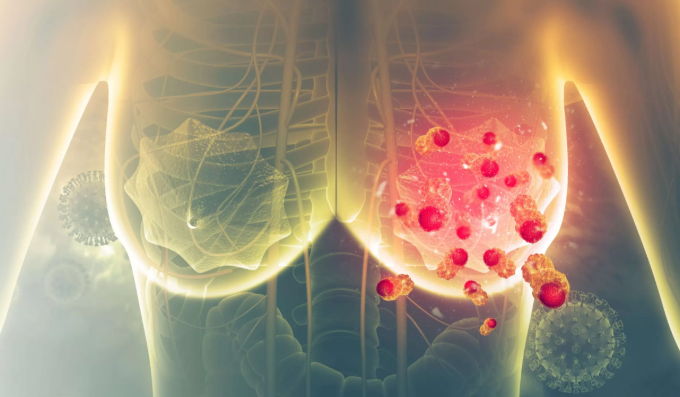
Breast cancer remains one of the most widely studied conditions in modern medicine, yet it continues to affect millions of people worldwide each year. Gaining a clear understanding of this disease is essential for prevention, early detection, and effective care.
What Is Breast Cancer?
Breast cancer develops when cells in the breast grow uncontrollably. Although it can occur in both men and women, it is far more common in women. The disease may begin in different areas of the breast, such as the milk-producing lobules, the ducts that carry milk, or surrounding tissue. If not detected early, cancer cells can spread to nearby tissues or other parts of the body through a process known as metastasis.
Common Types of Breast Cancer
Breast cancer includes several forms, each with unique characteristics. Ductal carcinoma in situ, often called DCIS, is a non-invasive type confined to the ducts. Invasive ductal carcinoma begins in the ducts and spreads into surrounding tissue. Invasive lobular carcinoma starts in the lobules and can also spread outward. Inflammatory breast cancer is a rare but aggressive form that often presents with redness and swelling. Paget’s disease of the nipple affects the skin of the nipple and may resemble eczema in its early stages.
Risk Factors
Breast cancer can affect anyone, but certain factors may increase the likelihood of developing it. Risk tends to rise with age. A family history of breast or ovarian cancer, especially when linked to genetic mutations such as BRCA1 or BRCA2, can significantly increase risk. Other contributing factors include hormone therapy after menopause, obesity, lack of physical activity, alcohol consumption, early menstruation, late menopause, and having children later in life or not at all.
Recognizing Symptoms
In its early stages, breast cancer may not cause noticeable symptoms, which is why routine screening is so important. When symptoms do appear, they often include a lump in the breast or underarm, changes in breast size or shape, or alterations in the skin such as dimpling or a textured appearance. Some individuals may notice redness or flaking around the nipple, nipple inversion, or unusual discharge. Persistent pain or discomfort in the breast area can also be a warning sign and should be evaluated by a healthcare professional.
Diagnosis and Screening
Early detection plays a critical role in improving outcomes. Mammograms are commonly used to identify abnormalities in breast tissue. Ultrasound imaging can help distinguish between fluid-filled cysts and solid masses. MRI scans may be recommended for individuals at higher risk or with dense breast tissue. A biopsy is used to confirm a diagnosis by analyzing a tissue sample. In some cases, genetic testing may be advised when there is a strong family history of the disease.
Treatment Options
Treatment for breast cancer depends on the type and stage of the disease. Surgery is often a primary approach, either removing the tumor through a lumpectomy or removing breast tissue through a mastectomy. Radiation therapy is commonly used to destroy remaining cancer cells after surgery. Chemotherapy uses medication to target cancer cells throughout the body and may be given before or after surgery. Hormone therapy helps block hormones that fuel certain types of cancer, while targeted therapy focuses on specific proteins in cancer cells. Immunotherapy is an emerging option that helps the immune system recognize and attack cancer cells.
Supportive and Complementary Care
Alongside medical treatment, supportive care can help improve overall wellbeing. A balanced diet rich in vegetables, fruits, and healthy fats supports the body during treatment and recovery. Light physical activity such as walking or yoga can help maintain strength and reduce stress. Practices like meditation, massage, or acupuncture may also help manage discomfort and improve quality of life. It is important to consult a healthcare provider before adding any supplements or alternative therapies.
Prevention and Early Detection
Although breast cancer cannot always be prevented, certain lifestyle habits may help reduce risk. Maintaining a healthy weight, staying physically active, limiting alcohol intake, and avoiding smoking are all beneficial. Regular health checkups and screening tests are essential, as early detection remains one of the most effective ways to improve outcomes.
Emotional and Physical Impact
Breast cancer affects more than physical health. Many individuals experience emotional challenges such as anxiety, fatigue, and changes in self-image. Support from healthcare professionals, family, and community resources can play a vital role in coping with these challenges.
Life After Diagnosis
Thanks to advances in medical care, survival rates have improved significantly, especially when breast cancer is detected early. Many individuals go on to live long and fulfilling lives after treatment. Recovery often involves ongoing care, emotional support, and lifestyle adjustments. Survivors frequently become advocates, helping raise awareness and support others facing similar experiences.
Final Thoughts
Breast cancer is a serious condition, but early detection and modern treatments have greatly improved outcomes. Staying informed, maintaining healthy habits, and seeking timely medical care are key steps in managing risk and improving quality of life. Whether you are learning for yourself or supporting someone else, knowledge and awareness remain powerful tools.