
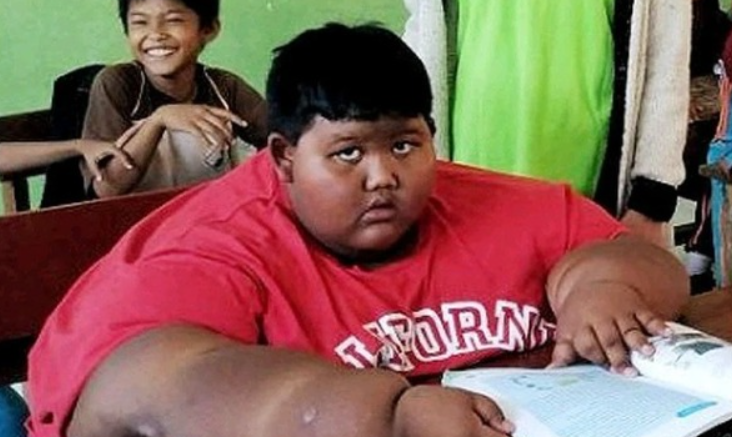
From Childhood Health Challenges to a Life-Changing Transformation
Arya Permana's story has captured global attention as one of the most remarkable health transformations in recent years. Growing up in Indonesia, Arya faced serious challenges at a very young age. By the time he was 11 years old, his weight had reached approximately 200 kilograms, making everyday life increasingly difficult.
His journey from that point to a healthy, active teenager is a story of medical guidance, family support, and sustained effort. It also offers broader lessons about childhood health, lifestyle change, and the power of patience.
The Early Years: When Everyday Life Became Overwhelming
At 11 years old and around 200 kilograms, Arya's daily life was severely limited. Simple activities such as walking, attending school, or playing with other children became overwhelming. His limited mobility meant that much of his time was spent indoors, as it was hard to participate in normal childhood experiences.
His condition affected far more than his physical health. It impacted his independence and overall quality of life. Childhood is meant to be a time of exploration, play, and growing autonomy. For Arya, those experiences were largely out of reach. He depended on others for basic movement, and the simple joy of running around with friends was something he could only watch from a distance.
Stories like his draw attention because they make an abstract problem concrete. Childhood obesity is often discussed in statistics, but Arya's experience showed what those numbers mean for one child's daily life: the exhaustion, the isolation, and the slow narrowing of what feels possible.
Finding the Cause: Medical Evaluation
After thorough medical evaluations, doctors determined that there was no rare or underlying medical disorder responsible for his condition. Instead, his weight gain was largely linked to long-term eating habits combined with a lack of regular physical activity.
This finding was significant. It meant there was no single medical fix, no surgery or medication that would resolve the situation on its own. The path forward would require sustained changes to daily habits, which is harder in many ways than treating a discrete illness. It requires the cooperation of the whole family and a plan designed for the long term.
As time went on, concerns about his health grew more serious, especially regarding the potential long-term risks associated with his condition. Excess weight in childhood raises the likelihood of health problems that can persist into adulthood, affecting the heart, metabolism, joints, and more. Recognizing the urgency of the situation, Arya and his family decided to take action.
Building the Plan: Nutrition First
With the support of healthcare professionals, Arya began a structured and carefully monitored health plan. This journey included significant changes to his daily routine, particularly his eating habits.
Portion control, more balanced meals, and consistent dietary adjustments became key parts of his progress. Rather than extreme restriction, the approach focused on sustainable changes: reasonable portions, better balance across food groups, and consistency day after day. This is an important principle for anyone attempting major lifestyle change. Dramatic short-term diets rarely last, while steady, livable adjustments compound over time.
For a child, dietary change cannot happen in isolation. It requires the entire household to participate. Meals are shared, food is purchased by parents, and eating patterns are family patterns. Arya's family's involvement was essential to making the new habits stick.
Adding Movement, Step by Step
In addition to nutrition, Arya gradually introduced physical activity into his routine. These exercises were designed to match his abilities and were increased step by step as his strength and endurance improved.
This gradual approach matters enormously. For someone carrying significant excess weight, jumping into intense exercise risks injury and burnout. Starting with what the body can handle, then building slowly, allows strength, stamina, and confidence to grow together. Each small increase proved to Arya that his body was capable of more than it had been, which fed his motivation for the next step.
This steady approach helped him build confidence while reducing the risk of injury or burnout. Confidence is an underrated factor in health transformations. Many people know what they should do but doubt they can do it. Early wins, however small, build the belief that sustains long-term effort.
An Important Medical Step: Excess Skin Removal
As Arya's weight began to decrease, he also underwent a medical procedure to remove excess skin. This step played an important role in improving his comfort and mobility, allowing him to move more freely and continue progressing in his journey.
Excess skin after major weight loss is a real physical obstacle, not just a cosmetic concern. Folds of loose skin can cause discomfort, chafing, infections, and restricted movement. Removing it was a functional decision that made continued activity easier and more comfortable. It is a reminder that major transformations often involve medical support at multiple stages, not just at the beginning.
The Results: A New Life
The results of his dedication and support system became increasingly visible over time. By his early teenage years, Arya had lost more than half of his original body weight.
More importantly, he regained a level of independence that once seemed out of reach. He was able to walk, engage in outdoor activities, and even participate in sports like football. The boy who had spent his childhood indoors watching others play was now on the field himself.
That shift, from observer to participant, is the true measure of the transformation. Weight numbers tell part of the story, but the return of everyday freedom tells the rest.
Lessons for Families Facing Similar Challenges
While every individual's situation is unique, Arya's experience offers practical lessons:
- Start with medical guidance. A professional evaluation rules out underlying conditions and ensures the plan is safe for the child's specific situation.
- Change the environment, not just the child. Family-wide adjustments to meals and activity make new habits sustainable.
- Go gradual. Small, consistent changes beat dramatic overhauls that collapse within weeks.
- Celebrate function, not just numbers. Walking further, playing longer, and feeling stronger are victories worth recognizing.
- Be patient. Meaningful change took years, not weeks. Long-term commitment matters more than short-term intensity.
- Address the whole picture. Physical comfort, confidence, and medical follow-up all play roles in a complete transformation.
Supporting Children's Healthy Habits: General Guidance
Arya's story highlights principles that apply broadly to children's health. Regular family meals with balanced portions, daily active play, limited sugary drinks and snacks, consistent sleep schedules, and reduced sedentary screen time all support healthy growth. Just as important is the emotional environment: children develop their relationship with food and activity by watching the adults around them, so modeling healthy habits matters as much as teaching them.
When concerns arise, pediatricians can assess growth patterns, rule out medical causes, and connect families with nutrition and activity resources. Early attention is always easier than late intervention.
Frequently Asked Questions
Was Arya's condition caused by a medical disorder?
According to the medical evaluations described in reports of his story, doctors found no rare underlying disorder. His weight gain was linked to long-term eating habits and lack of physical activity.
How long did his transformation take?
His journey unfolded over several years, from around age 11 into his early teens. It was a gradual process, not a quick fix.
Did he have surgery to lose the weight?
Reports describe a structured plan based on dietary changes and gradual exercise, plus a later procedure to remove excess skin after significant weight loss. The weight loss itself came from sustained lifestyle change under professional supervision.
What is his life like now?
By his early teens, having lost more than half his original weight, he regained independence: walking, outdoor activities, and playing football.
Today, Arya Permana's story is widely shared as an example of what can be achieved through consistency, determination, and proper guidance. His journey highlights the importance of healthy lifestyle choices, supportive environments, and professional care when facing significant health challenges. It serves as a reminder that meaningful change is possible over time with the right approach, patience, and commitment to long-term well-being.
This article is for informational purposes only and is not medical advice. Please consult a qualified professional.

