For many people, hearing the word “colonoscopy” can feel intimidating. Concerns about discomfort, embarrassment, or stories shared by others often cause people to delay the procedure. However, many of the fears surrounding colonoscopies are based on misconceptions rather than reality.
In fact, a colonoscopy is one of the most valuable preventive health screenings available today. Doctors recommend it because it can help detect potential health issues early — sometimes before any symptoms appear. Early detection often makes treatment easier and can help prevent more serious complications later on.
The One Question Worth Asking
If your doctor recommends a colonoscopy and you feel unsure about it, a helpful question to ask is:
“Why do I need this test, and what are you checking for?”
Understanding the purpose behind the procedure can make the experience feel less stressful. Your doctor may recommend a colonoscopy to screen for colorectal cancer, investigate digestive symptoms, or check for conditions such as inflammation, polyps, or unexplained bleeding.
Having an open conversation with your healthcare provider can help you feel more informed and confident about the decision.
What Is a Colonoscopy?
A colonoscopy is a medical procedure that allows doctors to examine the inside of the large intestine, also known as the colon. It is commonly used to identify digestive problems, including polyps, inflammation, infections, and signs of colorectal cancer.
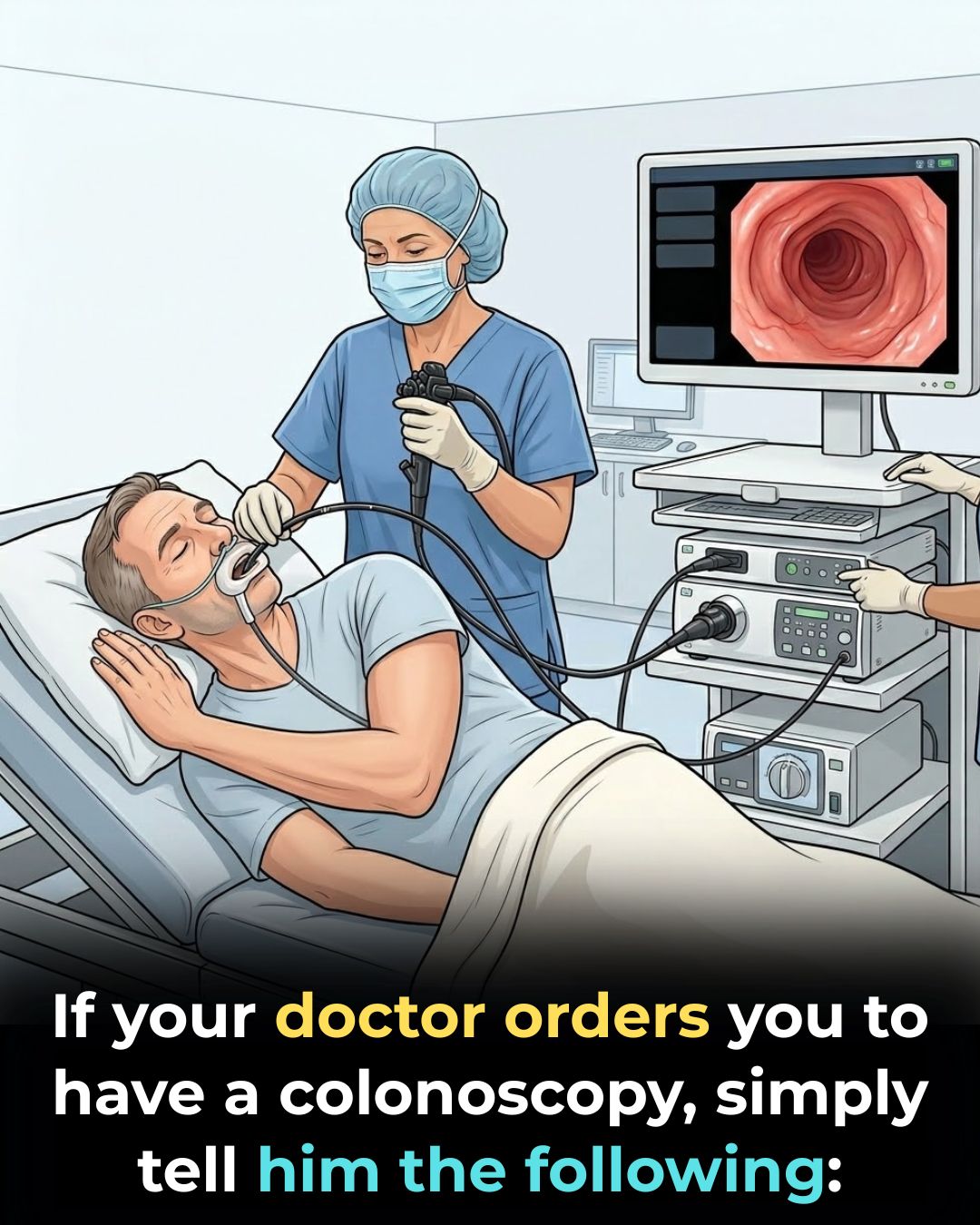
During the procedure, a thin and flexible tube with a small camera — called a colonoscope — is gently inserted into the rectum. The camera sends images to a monitor, allowing the doctor to carefully examine the lining of the colon.
One major advantage of this procedure is that doctors can often remove small growths called polyps during the same examination. While many polyps are harmless, some may develop into cancer over time. Removing them early can help reduce future health risks.
Why People Feel Nervous About It
Many concerns about colonoscopies come from exaggerated stories or misunderstandings. In reality, most patients receive sedation or light anesthesia, which helps them stay relaxed and comfortable during the procedure.
Because of this, many people remember very little about the examination itself. The procedure usually takes between 20 and 45 minutes, and patients are typically able to return home the same day after a short recovery period.
For many individuals, the preparation before the procedure is actually the most inconvenient part. Patients are usually asked to follow a temporary special diet and drink a preparation solution to help clean the colon. Although this process may feel inconvenient, it is important for ensuring accurate results.
Why Early Screening Matters
Medical experts often recommend regular colonoscopy screenings beginning around age 45, especially for people with a family history of colorectal cancer or digestive conditions.
A doctor may also recommend the test if someone experiences symptoms such as persistent abdominal discomfort, unexplained weight loss, blood in the stool, ongoing constipation or diarrhea, or other unusual digestive changes.
These symptoms do not always indicate a serious condition, but proper evaluation is important.
A Preventive Tool for Long-Term Health
A colonoscopy is considered one of the most effective tools for preventive healthcare. By identifying potential problems early, doctors can often treat conditions before they become more serious.
For many people, a single screening can provide reassurance, support long-term wellness, and encourage peace of mind. Rather than viewing a colonoscopy with fear, it may be more helpful to see it as an important step toward protecting your health.