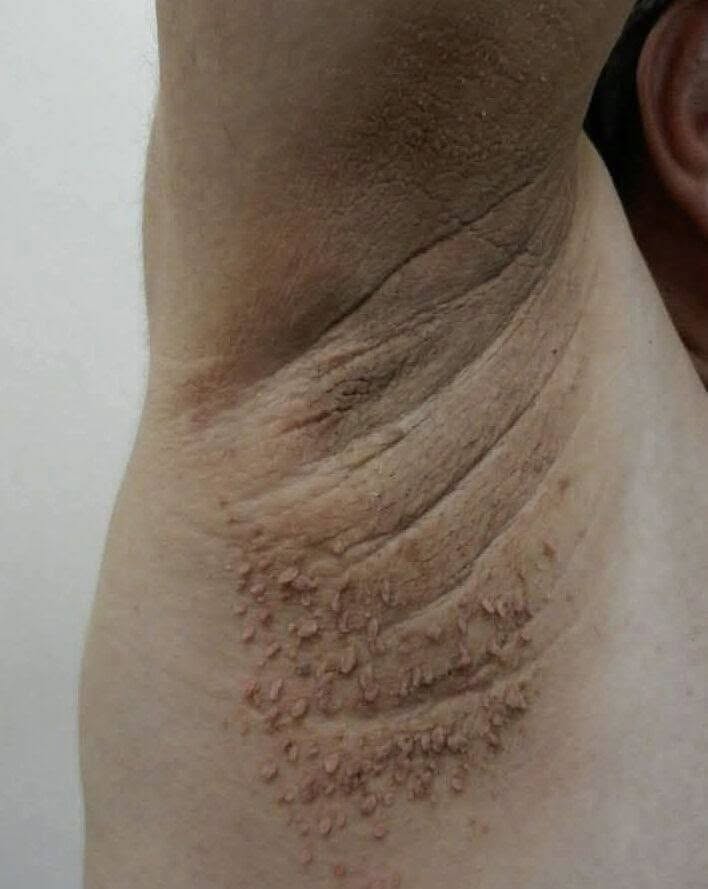
Have you noticed dark, velvety patches of skin on your neck, underarms, or other areas where skin folds together? While these patches are often harmless, they can sometimes be a sign of an underlying health condition.
One possible cause is acanthosis nigricans, a common skin condition that is frequently associated with insulin resistance, excess weight, hormonal disorders, or certain medications. Although the condition itself is not dangerous or contagious, it may signal that it’s time to speak with a healthcare professional.
Here’s what you should know about acanthosis nigricans, its causes, symptoms, and when to seek medical advice.
What Is Acanthosis Nigricans?
Acanthosis nigricans is a skin condition that causes certain areas of the skin to become darker, thicker, and soft with a velvety texture. The color may range from light brown to dark brown or gray, depending on your natural skin tone. These patches usually develop slowly and often do not cause pain or discomfort.
Where Does It Commonly Appear?
The condition most often affects areas where the skin folds, such as the back or sides of the neck, underarms, groin, elbows, knees, knuckles, and beneath the breasts. In some cases, it may also appear on the hands, face, belly button, or lips.
What Causes Acanthosis Nigricans?
Acanthosis nigricans is usually a symptom rather than a disease itself. Several health conditions and factors may contribute to its development.
Insulin Resistance
The most common cause is insulin resistance, a condition in which the body’s cells do not respond effectively to insulin. As insulin levels increase, they may stimulate skin cells to grow more rapidly, resulting in thicker, darker patches.
Insulin resistance is commonly associated with prediabetes, type 2 diabetes, and metabolic syndrome. However, not everyone with insulin resistance develops acanthosis nigricans.
Excess Body Weight
People living with overweight or obesity are more likely to experience insulin resistance, increasing the likelihood of developing this skin condition. Improving overall metabolic health and maintaining a healthy weight may help improve the appearance of the skin over time.
Hormonal Disorders
Several hormone-related conditions have been linked to acanthosis nigricans, including polycystic ovary syndrome (PCOS), Cushing syndrome, hypothyroidism, and other endocrine disorders.
Certain Medications
Some medications have also been associated with the condition, including high-dose corticosteroids, certain hormone treatments, high-dose niacin, and medications that affect growth hormones.
If you notice skin changes after starting a new medication, speak with your healthcare provider before making any changes to your treatment.
Genetic Factors
In some cases, acanthosis nigricans may run in families. This inherited form is uncommon and may appear during childhood without being linked to diabetes or excess weight.
Rare Underlying Medical Conditions
Rarely, acanthosis nigricans may be associated with certain internal cancers, particularly stomach cancer. These cases often develop suddenly, spread rapidly, or affect unusual areas such as the mouth or palms. However, most cases are not related to cancer.
Common Symptoms
Besides darker skin, people may notice the affected areas becoming thicker and softer with a velvety feel. Some individuals experience mild itching or a slight odor in skin folds, while others notice the patches gradually spreading over time. Pain is uncommon.
Is It Harmful?
The skin changes themselves are usually harmless. However, because they can be linked to conditions such as insulin resistance or hormonal disorders, it is important to have new or changing patches evaluated by a healthcare professional. Treating the underlying cause may improve the skin’s appearance over time.
How Is It Diagnosed?
Healthcare providers can often diagnose acanthosis nigricans by examining the affected skin. Depending on your medical history and symptoms, they may recommend blood sugar testing, Hemoglobin A1C, fasting insulin, cholesterol testing, or hormone tests. Additional evaluation may be needed if the condition develops suddenly or appears unusual.
Treatment Options
Treatment focuses on addressing the underlying cause rather than the skin discoloration itself. Managing blood sugar levels, improving diet and physical activity, maintaining a healthy weight, or adjusting certain medications under medical supervision may help improve the condition. Never stop taking prescribed medication without consulting your healthcare provider.
Skin Care Tips
Gentle skin care can help keep the affected areas comfortable. Wash the skin with mild cleansers, moisturize regularly, avoid harsh scrubbing, wear loose-fitting clothing if friction is a problem, and protect exposed skin from excessive sun exposure. Since the discoloration is not caused by poor hygiene, scrubbing the skin aggressively will not remove the patches and may cause irritation.
When Should You See a Doctor?
You should consider seeing a healthcare provider if the patches appear suddenly, spread quickly, become painful or irritated, or are accompanied by symptoms such as increased thirst, frequent urination, or unexplained weight changes. Medical evaluation is also recommended if the discoloration appears in unusual areas, including the mouth or palms, or if you are concerned about diabetes or another underlying health condition.
Can It Be Prevented?
Although not every case can be prevented, maintaining good overall health may reduce the risk for some people. Eating a balanced diet, staying physically active, maintaining a healthy weight, managing blood sugar levels if you have diabetes or prediabetes, and attending regular medical checkups can all support better metabolic health.
Frequently Asked Questions
Is acanthosis nigricans contagious?
No. It cannot spread from one person to another.
Is it caused by poor hygiene?
No. Washing or scrubbing harder will not remove the dark patches because they are not caused by dirt or poor hygiene.
Will the dark patches go away?
The appearance of the skin may improve after the underlying cause is treated, although improvement often takes time and varies from person to person.
Can children develop acanthosis nigricans?
Yes. It can occur in children, especially those with obesity or insulin resistance. A medical evaluation can help identify any underlying cause.
Does everyone with acanthosis nigricans have diabetes?
No. Although it is commonly associated with insulin resistance, it can also occur due to hormonal conditions, medications, genetics, or other medical factors.
Final Thoughts
Acanthosis nigricans is a common skin condition that often appears as dark, velvety patches in areas where the skin folds. While the skin changes themselves are usually harmless, they may serve as an early sign of an underlying health issue such as insulin resistance or a hormonal disorder.
If you notice new or changing patches on your skin, especially around the neck or underarms, consider discussing them with a healthcare professional. Early evaluation can help identify the cause and guide appropriate treatment. Supporting your overall health through healthy lifestyle habits may also improve both your skin and your long-term well-being.
Medical Disclaimer: This article is for informational purposes only and should not be considered medical advice. Always consult a qualified healthcare professional for diagnosis, treatment, or concerns about your health.