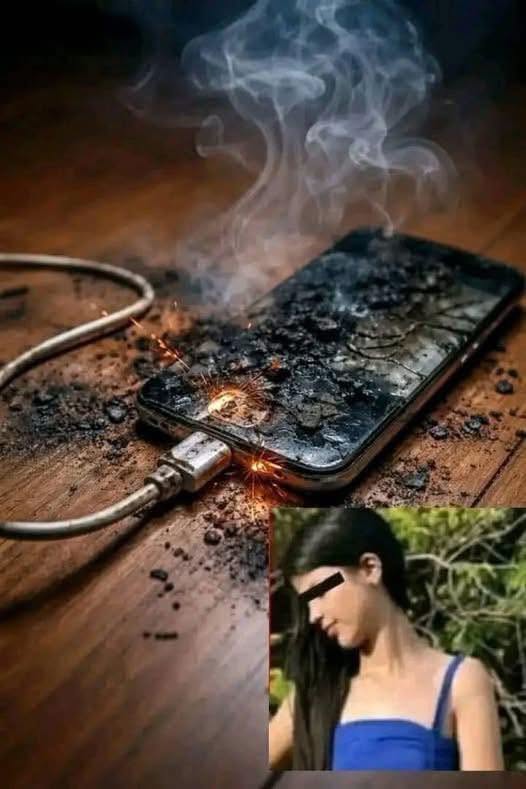
Why Safe Charging Practices Matter More Than Ever
In today’s connected world, chargers have become a part of everyday life. From smartphones and laptops to smartwatches and wireless earbuds, most people rely on multiple devices throughout the day. While charging a device may seem like a routine task, safe charging habits play an important role in protecting both electronic devices and the home environment.
The Importance of Using Quality Chargers
One of the most important aspects of device safety is using reliable, certified chargers. Genuine and certified charging accessories are designed with safety features that help regulate power flow, control temperature, and protect batteries from damage.
Low-quality or counterfeit chargers may not meet the same safety standards. Over time, they can contribute to reduced battery performance, charging issues, or overheating. Choosing chargers from trusted manufacturers can help ensure better performance and long-term device reliability.
Don’t Ignore Damaged Charging Cables
Charging cables experience daily wear and tear, making regular inspection important. Signs such as frayed wires, cracked insulation, bent connectors, or loose connections may indicate that a cable should be replaced.
Using damaged cables can lead to inconsistent charging and may increase the risk of electrical problems. Replacing worn cables promptly is a simple step that can help maintain safe charging conditions.
Safe Charging Habits Make a Difference
How devices are charged can also affect their performance and longevity. Experts generally recommend charging devices on hard, flat surfaces where heat can dissipate more effectively.
Avoid placing charging devices on beds, couches, blankets, or other soft materials that may trap heat. Keeping devices in well-ventilated areas while charging can help support efficient operation and battery health.
Pay Attention to Electrical Outlets
Electrical outlets and power strips should also be used responsibly. Plugging too many devices into a single outlet or using poor-quality adapters can place unnecessary strain on electrical systems.
If an outlet feels unusually warm, appears damaged, or does not hold plugs securely, it may be worth having it inspected by a qualified professional. Using surge protectors can provide an additional layer of protection for many electronic devices.
Small Steps Can Improve Safety
Safe charging practices do not require major changes. Using certified chargers, replacing damaged cables, charging devices responsibly, and maintaining electrical outlets are simple habits that can contribute to a safer home environment.
By paying attention to these everyday details, individuals can help protect their devices, improve battery performance, and reduce the likelihood of avoidable electrical issues.