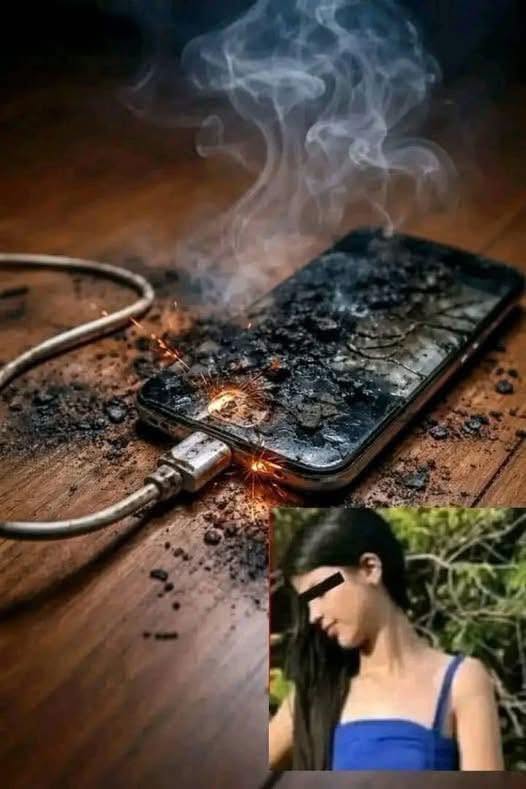
Charger Safety at Home: Simple Habits That Help Protect Your Devices and Property
Why Safe Charging Practices Matter More Than Ever: In today's connected world, chargers have become a part of everyday life. From smartphones and laptops to smartwatches and wireless earbuds, most people rely on multiple devices throughout the day. While charging a device may seem like a routine task, safe charging habits play an important role in protecting both electronic devices and the home environment.
Charging related incidents, from damaged batteries to house fires, are rare but real. The good news is that nearly all of them are preventable with simple, consistent habits.
The Importance of Using Quality Chargers
One of the most important aspects of device safety is using reliable, certified chargers. Genuine and certified charging accessories are designed with safety features that help regulate power flow, control temperature, and protect batteries from damage. Low quality or counterfeit chargers may not meet the same safety standards. Over time, they can contribute to reduced battery performance, charging issues, or overheating. Choosing chargers from trusted manufacturers can help ensure better performance and long term device reliability.
What makes certified chargers safer:
- Proper voltage regulation: They deliver exactly the power your device expects, no more, no less.
- Overcurrent protection: They shut down or limit power if something goes wrong.
- Temperature monitoring: Quality chargers detect overheating and respond accordingly.
- Isolation: Proper electrical isolation between high voltage mains and your device prevents dangerous faults.
- Tested materials: Certified products use flame retardant housings and quality components.
Counterfeit chargers cut every one of these corners. They may look identical to genuine products but lack the internal safeguards. The few dollars saved are not worth the risk to devices worth hundreds, or to your home.
How to spot quality:
- Buy from reputable sources: Manufacturer stores and authorized retailers, not random marketplace sellers.
- Look for certification marks: UL, CE, and similar marks indicate testing, though marks can be faked on counterfeits.
- Check the price: If a "genuine" charger costs a fraction of the normal price, it probably is not genuine.
- Feel the build: Quality chargers have solid construction, clear labeling, and proper prongs. Flimsy, mislabeled products are red flags.
Don't Ignore Damaged Charging Cables
Charging cables experience daily wear and tear, making regular inspection important. Signs such as frayed wires, cracked insulation, bent connectors, or loose connections may indicate that a cable should be replaced. Using damaged cables can lead to inconsistent charging and may increase the risk of electrical hazards.
Common cable damage to watch for:
- Fraying near connectors: The most common failure point, where bending concentrates stress.
- Exposed wires: Any visible metal is an immediate replacement signal.
- Cracked or split insulation: Compromised insulation can lead to shorts.
- Loose or wobbly connectors: Poor connections generate heat and charge unreliably.
- Discoloration or melting: Signs of overheating. Stop using immediately.
- Kinks and sharp bends: Internal wire damage may not be visible but affects safety.
Replace damaged cables promptly. A new cable costs little. The consequences of a failed one can cost far more.
Safe Charging Habits for Every Home
Beyond equipment quality, daily habits matter enormously:
- Don't charge on soft surfaces: Beds, couches, and pillows trap heat. Charge on hard, flat, ventilated surfaces.
- Unplug when done: Disconnect chargers when devices are fully charged, especially overnight when you cannot monitor them.
- Avoid overloading outlets: One high draw device per outlet is the safe approach. Daisy chaining power strips is asking for trouble.
- Keep chargers dry: Bathrooms and kitchens demand extra caution. Water and electricity are a dangerous combination.
- Don't yank cables: Pull by the plug, not the cord, to avoid internal damage.
- Give devices breathing room: Don't pile charging devices together. Heat buildup is the enemy.
- Watch for warning signs: Unusual heat, swelling batteries, strange smells, or discoloration mean stop using the device immediately.
The Overnight Charging Question
Many people charge phones overnight out of convenience. Modern devices have battery management systems that prevent classic overcharging, but overnight charging still has downsides:
- Heat exposure: Hours of trickle charging generate sustained warmth, which ages batteries faster.
- Unmonitored risk: If something goes wrong at 3 AM, you will not notice until morning.
- Battery longevity: Consistently charging to 100% and holding there accelerates capacity loss.
Better approaches include charging during the evening and unplugging before bed, using scheduled charging features that delay full charge until morning, or simply topping up during the day as needed.
Power Strips and Extension Cords
Charging setups often involve power strips, which deserve respect:
- Check the rating: Every strip has a maximum wattage. Add up your devices and stay well under it.
- Never daisy chain: Plugging strips into strips defeats built in protections and is a leading cause of electrical fires.
- Replace old strips: Worn outlets grip plugs loosely, creating arcing and heat. If plugs fall out easily, replace the strip.
- Look for surge protection: Quality strips include surge suppression and circuit breakers.
- Keep them accessible: Buried, overheating strips behind furniture are a hidden hazard.
Traveling With Chargers
Travel introduces its own risks:
- Bring your own: Hotel USB ports and public charging stations can be compromised or poorly maintained. Your own charger and cable are safest.
- Use USB data blockers: These inexpensive adapters allow charging while blocking data transfer, defeating "juice jacking" attacks.
- Check voltage: Most modern chargers handle worldwide voltage automatically, but verify before plugging in abroad.
- Pack carefully: Don't crush cables in luggage. Coil loosely rather than wrapping tightly around chargers.
What to Do If Something Goes Wrong
- Smell smoke or see sparks: Unplug immediately if safe to do so. Do not use water on electrical fires.
- Swollen battery: Stop using the device. Do not puncture or compress it. Contact the manufacturer for safe handling guidance.
- Burning smell from charger: Unplug and discard the charger. Do not attempt to repair it.
- Electrical fire: Call emergency services. Use a Class C fire extinguisher if trained and safe.
Frequently Asked Questions
Are cheap third party chargers safe?
Reputable third party brands with proper certifications are generally safe. Ultra cheap, uncertified, or counterfeit chargers posing as brand names are not. When in doubt, buy from the device manufacturer or a well reviewed certified brand.
Is it bad to leave my phone charging overnight?
Modern battery management reduces the risk, but overnight charging still exposes batteries to prolonged heat and keeps them at 100% longer than ideal. Charging before bed and unplugging is gentler on long term battery health.
How often should I replace charging cables?
At the first sign of damage: fraying, exposed wires, loose connectors, or overheating. Even undamaged cables degrade over time; replacing every couple of years for daily use cables is reasonable.
Can a bad charger damage my phone?
Yes. Poor voltage regulation and lack of safety circuitry can degrade battery health, cause charging failures, and in rare cases create safety hazards including overheating.
What's the safest way to charge multiple devices?
Use a quality multi port charging station from a reputable brand, placed on a hard ventilated surface, with devices spaced apart. Avoid overloading single outlets and never daisy chain power strips.
Charging is the most routine thing we do with our devices, which is exactly why it deserves attention. A few simple habits, quality equipment, regular inspection, sensible placement, and mindful unplugging, protect your devices, your home, and your peace of mind. In a world running on batteries, safe charging is one of the easiest forms of self care.