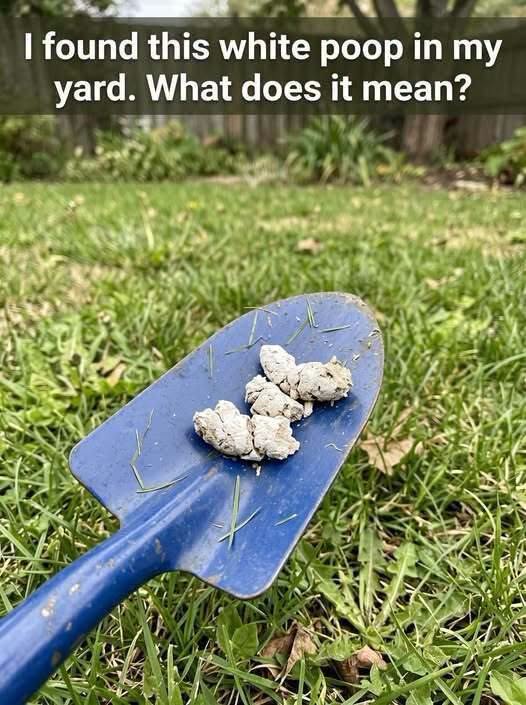
Noticing that your dog’s poop has turned white or very pale can be surprising. While it isn’t always a sign of a serious problem, changes in stool color shouldn’t be ignored. A dog’s stool can provide helpful information about its digestive system, diet, and overall health.
One of the most common reasons for white or chalky stool is a diet that contains too much bone. Dogs that regularly eat raw bones, bone meal, or foods with a high bone content may produce dry, crumbly, white stools. Although this is often linked to diet, eating excessive amounts of bone can sometimes lead to constipation or digestive discomfort. In more severe cases, it may increase the risk of intestinal blockage.
Another possible cause is a condition affecting the liver, gallbladder, or pancreas. These organs help produce and transport bile, which gives stool its normal brown color. If bile production or flow is reduced, the stool may become pale or clay-colored. Certain medications or medical imaging procedures that use special contrast materials can also temporarily affect stool color.
Digestive infections or intestinal parasites may also contribute to unusual stool appearance, although these are less common causes. Because several different health conditions can lead to pale stool, it’s important to consider any other changes your dog may be experiencing.
Keep an eye on your dog’s behavior and overall health. Think about whether you’ve recently changed its food, introduced new treats, started any medications, or allowed access to bones or unusual objects. Also watch for symptoms such as vomiting, diarrhea, reduced appetite, tiredness, bloating, abdominal discomfort, blood in the stool, or difficulty passing stool.
If your dog’s stool remains white or unusually pale for more than one bowel movement, or if any of these symptoms appear, it’s a good idea to contact your veterinarian. A veterinary examination may include a physical checkup, stool analysis, blood tests, or imaging to determine the underlying cause. Early diagnosis can help identify whether the issue is related to diet or a medical condition that requires treatment.
Supporting your dog’s digestive health starts with a balanced diet, constant access to clean drinking water, and routine veterinary care. It’s also best to avoid feeding cooked bones, as they can splinter and create digestive problems. Regularly observing your dog’s stool may not be pleasant, but it is one of the simplest ways to spot potential health concerns early.
In many cases, pale or white stool has a manageable cause, especially when addressed promptly. If you’re ever unsure about a change in your dog’s health, your veterinarian is the best source of guidance and care.