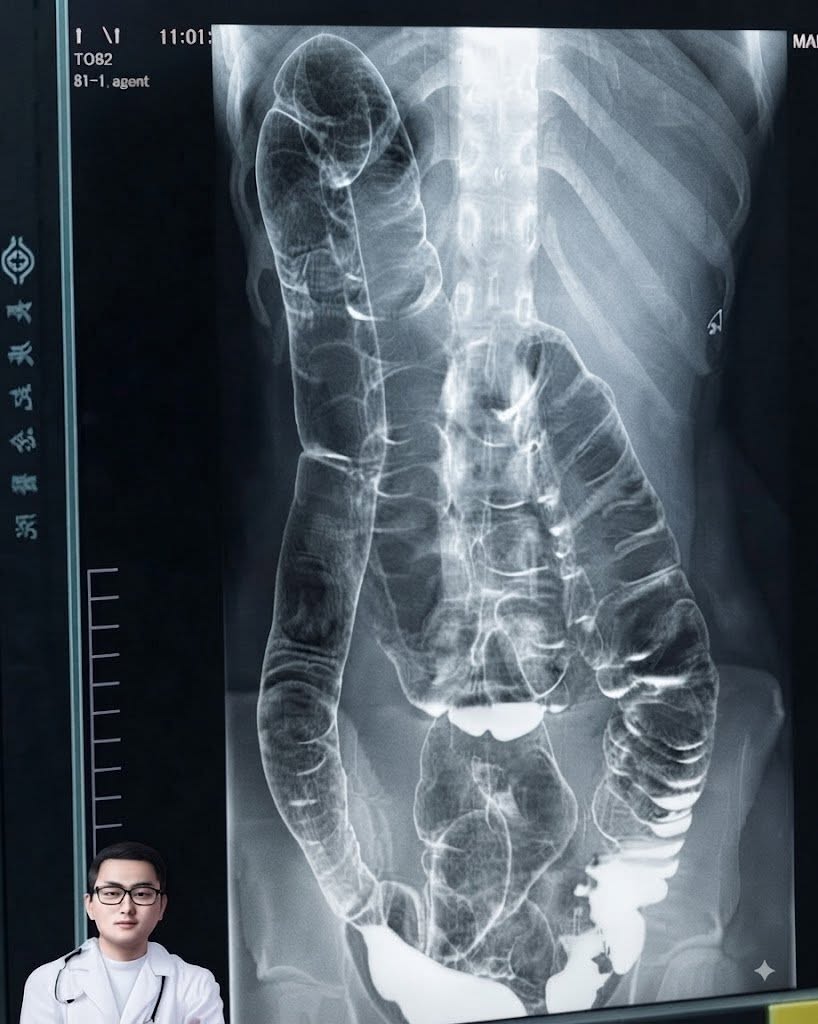
Constipation is something many people experience from time to time. A change in diet, not drinking enough fluids, reduced physical activity, stress, or changes in routine can all affect digestion. In many cases, the problem is temporary and improves with simple lifestyle adjustments.
But when constipation becomes persistent, severe, or repeatedly returns, it may be worth speaking with a healthcare professional.
That was the situation for a young woman who had been dealing with ongoing constipation and eventually decided to seek medical care. What initially appeared to be a routine digestive complaint led doctors to perform further evaluation, including an X-ray. The imaging provided an important clue about what could be contributing to her symptoms.
Her experience is a useful reminder that persistent digestive problems can have different causes and that medical evaluation can sometimes reveal information that is not obvious from symptoms alone.
When Constipation Becomes a Persistent Problem
Most people occasionally experience difficulty passing stool. It can happen after traveling, changing eating habits, becoming less active, or simply going through a period of stress.
Chronic constipation is different. It generally refers to constipation that continues over an extended period or happens frequently enough to interfere with daily life.
Symptoms can include infrequent bowel movements, hard or dry stools, straining during bowel movements, a feeling that the bowel has not completely emptied, or discomfort and bloating.
Although these symptoms are common, they should not automatically be dismissed when they persist.
The digestive system is influenced by many factors, including food choices, hydration, physical activity, medications, stress, and the normal movement of the intestines. In some situations, an underlying medical condition may also contribute.
Why Doctors May Recommend an X-Ray
Doctors do not necessarily need imaging for every case of constipation. Many situations can be evaluated through a medical history and physical examination.
However, when symptoms are persistent, unusual, severe, or difficult to explain, a healthcare professional may decide that additional testing is appropriate.
An abdominal X-ray can sometimes provide useful information about the digestive tract and help doctors assess what may be happening inside the abdomen. Depending on the patient’s symptoms and medical history, other tests may also be considered.
The purpose of medical imaging is not simply to find something unusual. Instead, it can help healthcare professionals gather more information and determine what steps should come next.
In the young woman’s case, the X-ray helped provide an explanation for symptoms that had continued despite the problem initially appearing relatively ordinary.
Constipation Can Have Many Causes
One of the most important things to understand about constipation is that there is rarely a single explanation that applies to everyone.
Diet can play an important role. People who consume very little dietary fiber may experience changes in bowel movements. Fiber is found naturally in foods such as vegetables, fruits, legumes, whole grains, nuts, and seeds.
Fluid intake can also influence stool consistency. When the body does not receive enough fluids, stools may become harder and more difficult to pass.
Physical activity is another factor. Regular movement supports overall health and may help maintain normal bowel habits.
Stress and changes in routine can also affect digestion. Some people notice changes in their bowel habits during periods of anxiety, travel, disrupted sleep, or major lifestyle changes.
Certain medications and supplements can contribute to constipation as well. This is one reason it is useful to tell a healthcare professional about all medications and supplements being taken.
Why Persistent Symptoms Should Not Be Ignored
It can be tempting to assume that constipation is always a minor issue. In many cases, it is. However, symptoms that continue for a long time deserve attention.
Persistent constipation can affect quality of life and may lead to discomfort, bloating, and changes in normal daily activities.
More importantly, ongoing symptoms can occasionally be associated with conditions that require medical evaluation.
This does not mean that constipation automatically indicates a serious illness. Most people with constipation do not have a dangerous underlying condition. The important point is that persistent or unusual symptoms are best evaluated according to the individual person’s circumstances.
Signs That Deserve Medical Attention
People experiencing occasional constipation may be able to manage it through healthy lifestyle habits. However, certain symptoms should encourage someone to contact a healthcare professional.
These may include constipation that does not improve, significant or persistent abdominal pain, repeated vomiting, blood in the stool, unexplained changes in weight, severe abdominal swelling, or major changes in normal bowel habits.
An inability to pass stool or gas accompanied by significant abdominal discomfort can also require prompt medical evaluation.
If symptoms are severe or suddenly worsen, seeking urgent medical care is appropriate.
Supporting Healthy Digestion
For people who do not have a medical condition requiring specific treatment, several everyday habits may support regular bowel function.
A balanced diet containing fiber-rich foods can be helpful. Good options include fruits, vegetables, beans, lentils, whole grains, and other plant-based foods.
Fiber should generally be increased gradually, particularly for people who are not accustomed to eating much of it. Increasing fiber too quickly may cause temporary gas or bloating.
Drinking adequate fluids is also important. Individual fluid needs vary depending on factors such as age, activity level, weather, and overall health.
Regular physical activity can support general digestive health as well. Even simple activities such as walking can contribute to a more active lifestyle.
Establishing a consistent bathroom routine may also help some people. Responding to the body’s natural urge to have a bowel movement rather than regularly postponing it can be beneficial.
Be Careful With Self-Treatment
There are many products and home remedies promoted online for constipation. While some treatments can be appropriate for certain people, they are not necessarily suitable for everyone.
Using laxatives frequently or for long periods without professional guidance may not address the underlying reason for persistent constipation.
If someone regularly depends on medication or over-the-counter products to have bowel movements, it is worth discussing the situation with a healthcare professional.
A doctor or pharmacist can help determine which options may be appropriate based on the person’s age, symptoms, medications, and medical history.
The Bigger Lesson From This Case
The young woman’s experience demonstrates why persistent symptoms deserve attention.
A digestive complaint that initially seems ordinary can sometimes require a closer look, particularly when it continues despite normal lifestyle adjustments. Medical professionals can use a combination of symptoms, medical history, physical examination, and appropriate testing to understand what may be happening.
An X-ray is only one possible diagnostic tool. Depending on the situation, healthcare professionals may recommend blood tests, stool tests, additional imaging, or other examinations.
The appropriate approach depends on the individual patient.
When to Talk With a Healthcare Professional
If constipation has become a recurring or long-lasting problem, keeping track of symptoms can make a medical appointment more useful.
It may help to note how frequently bowel movements occur, whether stools are unusually hard, whether there is abdominal discomfort, changes in diet, medications being taken, and how long the symptoms have been present.
This information can help the healthcare professional understand the situation and determine whether further evaluation is necessary.
Rather than assuming that persistent constipation is simply something that must be tolerated, getting professional advice can provide reassurance and, when necessary, help identify the appropriate treatment.
Final Thoughts
Constipation is common, but persistent constipation should not automatically be ignored.
The case of this young woman shows how medical evaluation can sometimes uncover information that is not immediately obvious from everyday symptoms. Her X-ray helped doctors investigate the problem more closely and consider possible explanations for her ongoing digestive difficulties.
For most people, healthy habits such as eating a balanced diet, getting enough fluids, staying physically active, and maintaining regular routines can support digestive health. However, persistent, severe, or unusual symptoms should be discussed with a qualified healthcare professional.
Paying attention to changes in your body does not mean assuming the worst. It simply means knowing when a common symptom has become persistent enough to deserve a closer look.
This article is provided for general educational and informational purposes only. It does not provide medical diagnosis or treatment and should not replace advice from a qualified healthcare professional.