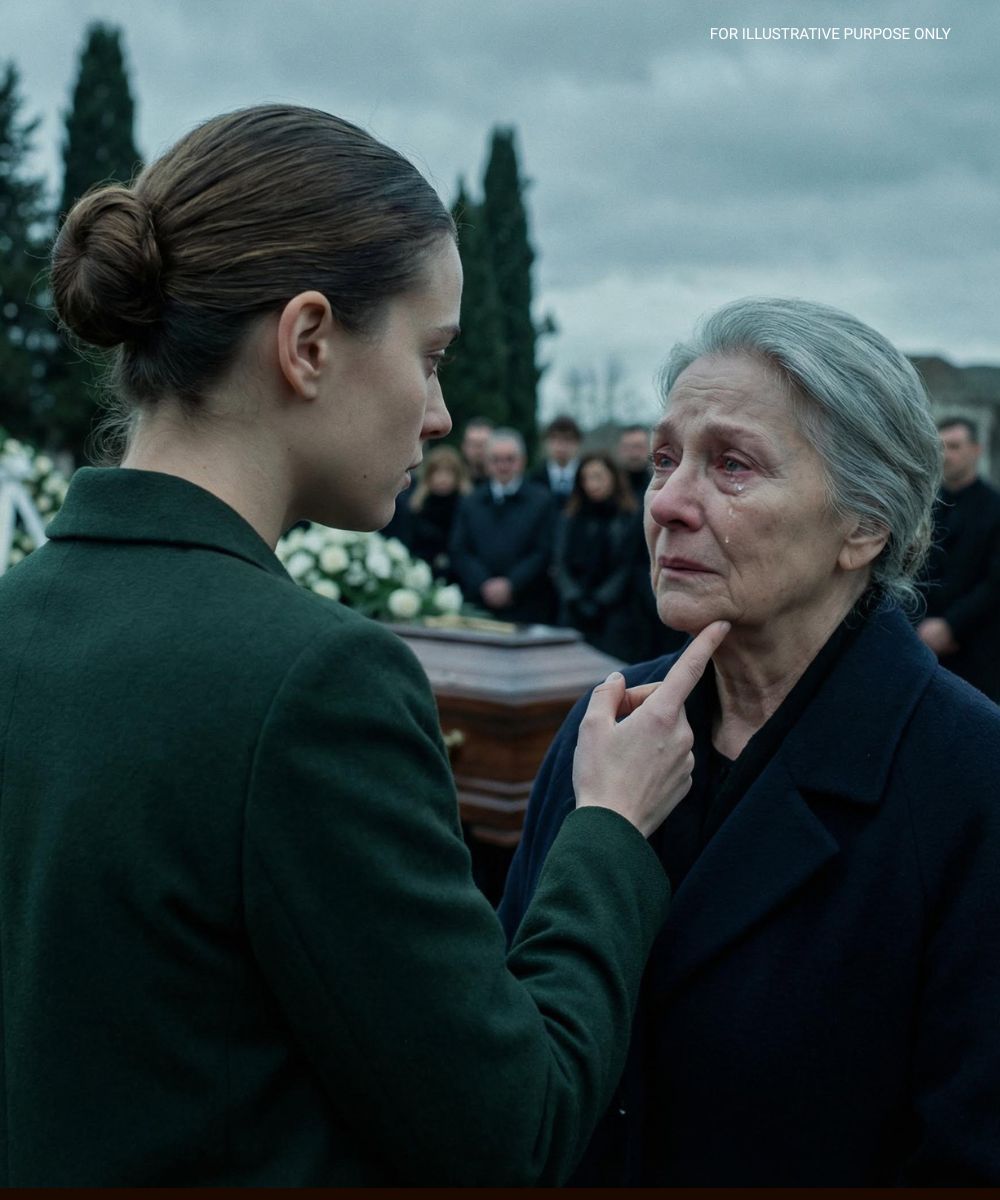
At my husband’s funeral, my daughter said something that stunned everyone present. I chose not to respond in that moment. One week later, I made a decision regarding her inheritance that changed our relationship forever. Only then did she begin to understand what betrayal truly feels like.
A Moment That Changed Everything
The day we buried my husband, Javier Morales, felt unbearably heavy. We had been married for twenty-seven years, and his sudden passing left a silence that words couldn’t fill. Standing at San Isidro Cemetery, dressed in black, I tried to remain composed while grief quietly overwhelmed me.
Family members surrounded us—relatives, close friends, and our daughter, Clara. She was twenty-two, independent, and strong-willed. But that day, she seemed distant. She wasn’t mourning the way others were. Instead, she kept watching me.
After the priest finished speaking and the ceremony grew quiet, Clara stepped forward. In a calm but cutting voice, she made a statement that left everyone stunned. I felt the ground shift beneath me.
I didn’t argue.
I didn’t defend myself.
I remained silent.
I knew responding would only turn a painful moment into something worse. The ceremony continued, but the tension lingered long after we left the cemetery.
The Days That Followed
Her words echoed in my mind for days. I thought about the years Javier and I spent raising our daughter, the disagreements we had about parenting, and the sacrifices made quietly behind the scenes. Then I remembered something important—the will.
Javier and I had planned our estate years earlier. The arrangement was clear: I would manage our assets, and Clara would receive her share later, provided certain conditions were met. Respect and family harmony were part of those conditions.
A week after the funeral, I met with our lawyer to understand my options. The decision I faced wasn’t easy, and it brought no sense of satisfaction—only sadness.
Still, I moved forward.
A Difficult Conversation
When I told Clara that her inheritance would be delayed, she reacted with anger. She accused me of being controlling and questioned my motives. I listened calmly and explained that this wasn’t about money—it was about accountability.
For the first time, her confidence wavered. She asked how it felt to be pushed away by your own child.
I answered honestly.
She left upset, and for weeks afterward, I questioned myself. Some family members criticized my decision, while others quietly understood. Through it all, I reflected on patterns I had ignored for years—dismissiveness, unresolved resentment, and emotional distance.
Growth Takes Time
Months later, Clara reached out. We met in a quiet café, and for the first time, she spoke openly. She admitted that her words came from misplaced anger and unresolved grief. Losing her father had left her searching for someone to blame.
Her apology didn’t erase the pain, but it opened the door to healing.
We didn’t fix everything overnight. Trust takes time. We agreed to keep talking and eventually seek counseling together.
Where We Are Now
A year later, our relationship is different—more honest, more fragile, but real. The inheritance remains unchanged for now, but something more important has shifted. Clara understands that respect matters more than money, and I’ve learned that while silence can protect you, healing requires communication.
There’s no perfect ending here—only growth, boundaries, and truth.
Would you have made the same choice, or handled it differently?