Super Bowl Halftime Show Sparks Widespread Reaction Among Viewers
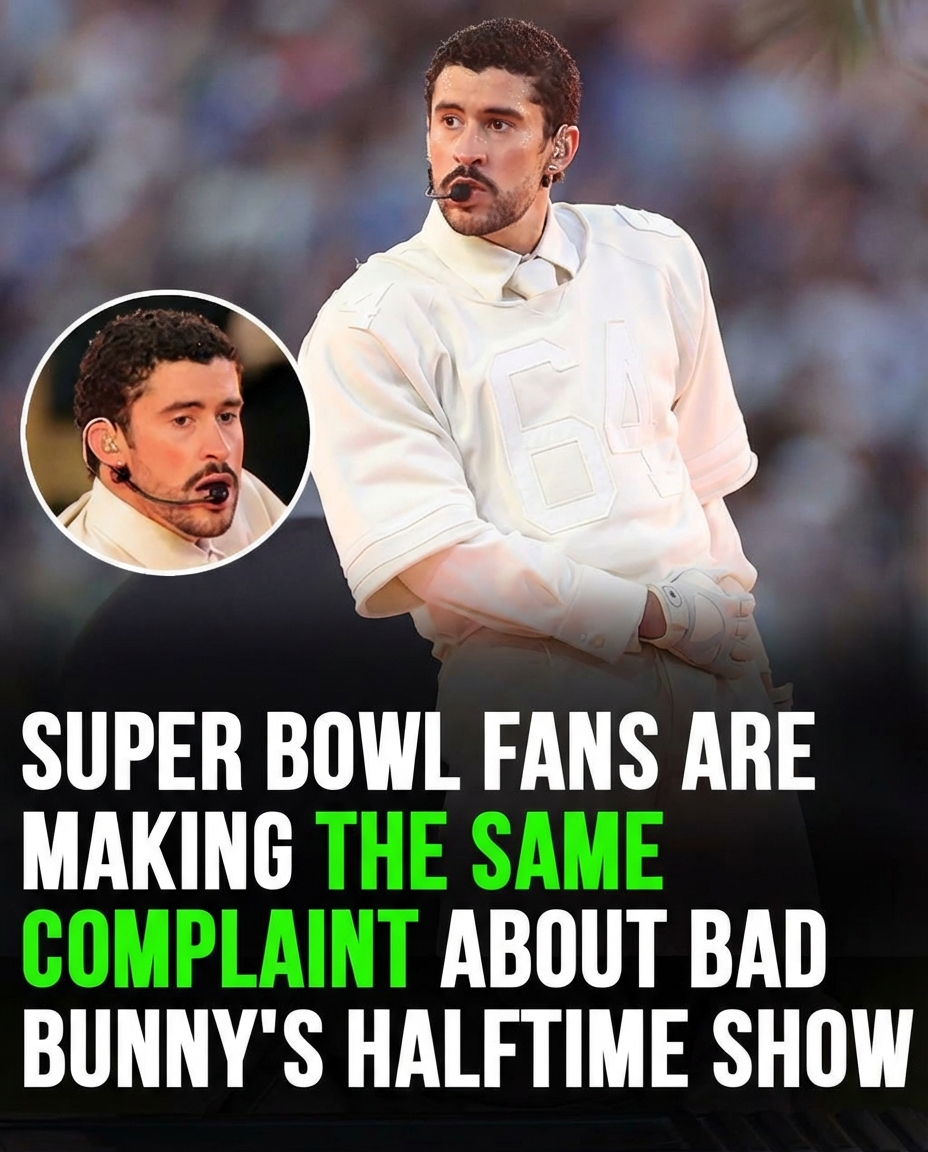
Bad Bunny's halftime performance at Super Bowl LX quickly became one of the night's most discussed moments. Known for his energetic style and global influence, the superstar delivered a show that had viewers talking long after the final whistle, for reasons that went well beyond the music.
The Super Bowl halftime show is one of the most-watched musical performances on the planet. Every year, it generates instant reactions, heated debates, and countless social media posts. This year's edition was no exception.
The Performance
Bad Bunny took the stage with the confidence of an artist at the peak of his powers. His set combined his signature high-energy delivery with the massive spectacle the Super Bowl stage demands: elaborate staging, precise choreography, and a setlist designed to play to a stadium of tens of thousands and a television audience of over a hundred million.
For his fans, it was a triumph: a global Latin music superstar commanding the biggest stage in American entertainment. For others, it was more complicated, which is exactly why the reaction was so widespread.
Why Halftime Shows Always Divide Opinion
It's worth understanding that no halftime show pleases everyone, and that's structural, not personal:
- The audience is impossibly broad. Over 100 million viewers span every age, taste, and cultural background. No single artist can satisfy all of them.
- Expectations are sky-high. Years of legendary performances have set a bar that makes "good" feel like "disappointing" to some viewers.
- It's about more than music. The halftime show is a cultural Rorschach test. People react to what the choice of artist represents, not just the performance itself.
- Social media amplifies extremes. The loudest praise and the harshest criticism travel fastest, creating an impression of total division even when most viewers are somewhere in the middle.
- Nostalgia distorts judgment. Every year's show is inevitably compared to viewers' personal favorites, an unfair fight for any performer.
The Cultural Significance of the Choice
Selecting Bad Bunny for the Super Bowl halftime show carried meaning beyond entertainment. He is one of the world's most-streamed artists, a figure who has brought reggaeton and Latin trap to the absolute center of global pop culture.
His presence on that stage represented:
- The mainstreaming of Latin music. What was once considered a niche is now the sound of the world's biggest stage.
- A generational shift. The halftime show increasingly reflects the tastes of younger, more diverse audiences.
- Global reach. Bad Bunny's fanbase spans continents, aligning with the NFL's own international ambitions.
- Artistic credibility. Beyond commercial success, he's recognized as a genuine creative force with a distinct vision.
For millions of viewers, particularly Latino audiences, seeing him headline the halftime show was a moment of cultural recognition that transcended the performance itself.
The Spectrum of Viewer Reactions
As with every halftime show, reactions fell across a spectrum:
- Enthusiastic fans celebrated the energy, the staging, and the representation, calling it one of the night's highlights.
- Casual viewers enjoyed the spectacle while admitting they didn't know all the songs, a common experience with any artist-specific set.
- Critics raised familiar complaints: too short, song choices, sound mixing, or simply personal taste.
- Cultural commentators debated what the performance said about the direction of American popular culture.
- The indifferent middle, likely the largest group, watched, shrugged, and went back to the game.
This pattern repeats every year regardless of the artist. The specifics change; the dynamics don't.
How Halftime Shows Are Actually Produced
Understanding the logistics adds appreciation for what performers pull off:
- Twelve minutes of fame. The entire performance, including stage setup and teardown, happens in roughly 12 to 15 minutes. The stage is assembled by hundreds of crew members in about 7 minutes.
- No soundcheck. Performers rehearse elsewhere and walk into a stadium they've never performed in, with acoustics designed for sports, not concerts.
- Massive coordination. Dancers, staging, pyrotechnics, camera work, and broadcast direction must synchronize perfectly with zero margin for error.
- The elements. Open-air stadiums mean weather is a variable. Wind, cold, and rain have all affected past shows.
- Lip-sync debates. Many artists use pre-recorded vocal tracks for reliability, a practical choice that purists criticize and producers defend.
When you consider these constraints, every halftime show that goes smoothly is a small miracle of logistics.
The Business of the Halftime Show
The halftime slot is also one of music's most valuable promotional platforms:
- Streaming spikes. Halftime performers typically see massive immediate increases in streams and sales.
- No performance fee. Artists famously perform for free (the league covers production costs), because the exposure is worth more than any fee.
- Career moments. For many artists, the halftime show becomes a defining career highlight, referenced for decades.
- Sponsorship spotlight. The show's sponsor gets association with one of television's biggest audiences.
The Takeaway
Bad Bunny's Super Bowl LX halftime performance did what halftime shows do: entertained millions, divided opinions, sparked conversations, and gave everyone something to talk about on Monday morning.
Whether you loved it, hated it, or barely noticed it between the game and the commercials, it served its purpose. It was a spectacle, a statement, and a shared cultural moment in an era when those are increasingly rare.
And that's really the point. In a fragmented media landscape, the halftime show remains one of the few things that over a hundred million people experience simultaneously. Whatever your reaction, you were part of something collective. That, more than any setlist, is what makes it matter.
Frequently Asked Questions
Who performed at the Super Bowl LX halftime show?
Bad Bunny headlined the Super Bowl LX halftime show, bringing his high-energy style and global Latin music influence to the performance.
How long is the Super Bowl halftime show?
The performance itself typically runs about 12 to 15 minutes, with the stage assembled and removed in a matter of minutes by a large crew.
Do halftime performers get paid?
Artists traditionally perform without a performance fee; the NFL covers production costs. The exposure to over 100 million viewers is considered compensation enough.
Why do halftime shows always generate controversy?
The massive, diverse audience guarantees divided opinions, and the choice of artist always carries cultural significance beyond the music itself. Social media amplifies the most extreme reactions.
How is the halftime performer chosen?
The NFL and its broadcast partners select the artist, typically aiming for massive star power, broad appeal, and cultural relevance. Sponsors also play a role in the decision.