
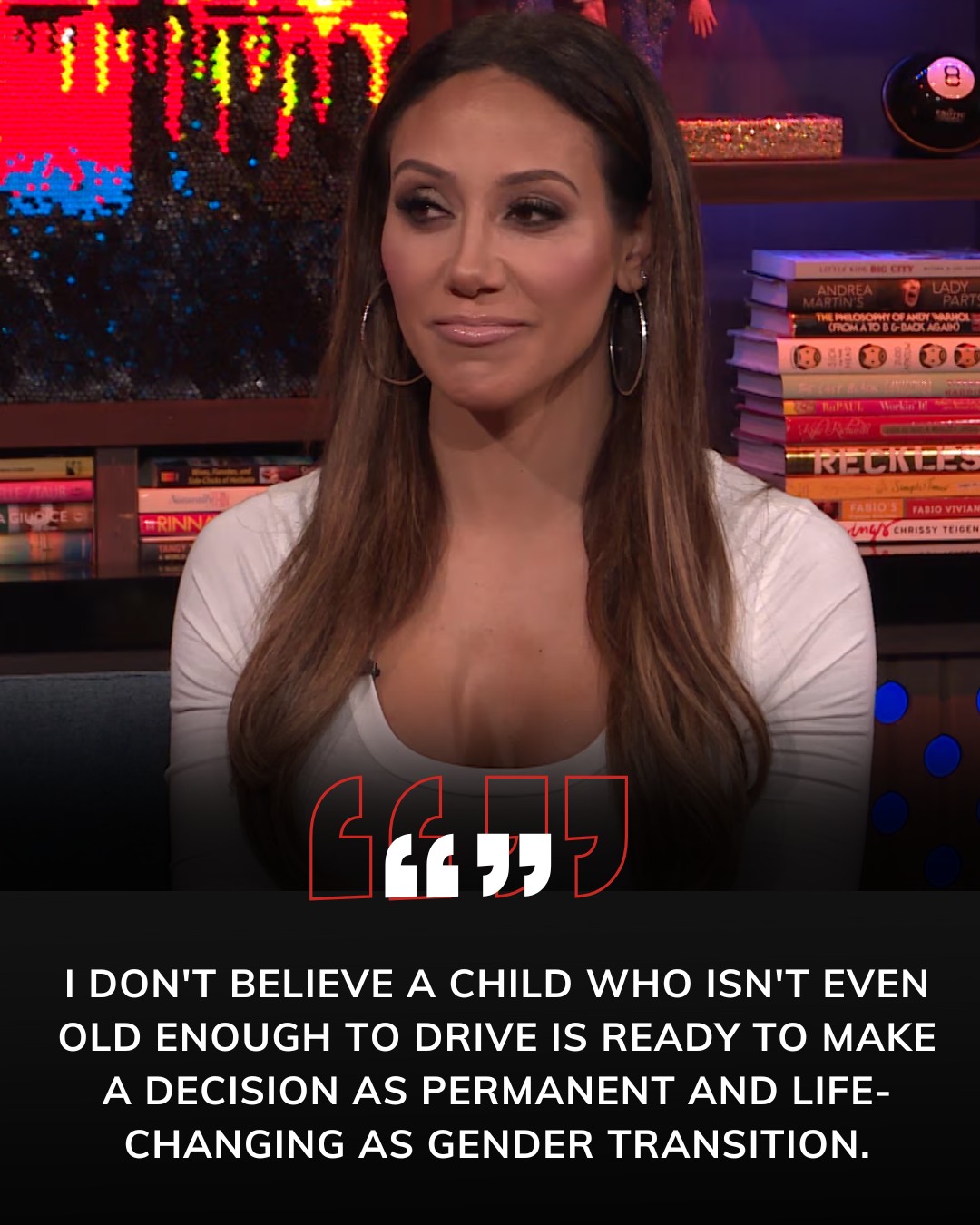
A Mother's Perspective: Melissa Gorga's Podcast Remarks Spark Nationwide Conversation on Parenting and Youth Identity
A Podcast Moment That Became a National Discussion
MONTVILLE, NJ, In an era where public figures often shape cultural conversations, Melissa Gorga, best known for her role on The Real Housewives of New Jersey, has found herself at the center of a widespread and deeply personal national discussion. During a recent podcast appearance, what began as a conversation about raising teenagers in the public eye quickly evolved into a broader dialogue about parenting, adolescence, and complex modern issues.
A particular moment from the discussion drew significant attention, prompting strong reactions across social media and beyond. Shortly after the episode aired, clips of her remarks circulated widely online, gaining millions of views and igniting a broad conversation that extended far beyond her existing fanbase.
The Comment That Drew Attention
Speaking candidly about her perspective as a mother, Gorga shared her concerns about young people making major life decisions at an early age. Her remarks were framed not as political commentary but as a mother's protective instinct: the worry that adolescents, whose brains and identities are still developing, may face choices with long-term consequences before they are fully equipped to weigh them.
For a reality television personality, speaking about parenting is familiar territory. Gorga has raised three children largely in the public eye, navigating the unique pressures of doing so while cameras document family milestones. That experience gave her comments a particular resonance with fellow parents who recognized the anxieties she described.
The podcast format mattered too. Unlike a scripted television segment or a polished interview, podcasts invite candor. Guests speak conversationally, thinking aloud, and audiences respond to that authenticity. But the same informality that makes podcasts compelling also makes them volatile: a thoughtful, nuanced conversation can be reduced to a 30-second clip that travels without its surrounding context.
A Divided Response
Public reaction was swift and varied. Some listeners, particularly parents, expressed appreciation for what they saw as a thoughtful and protective viewpoint. For them, Gorga's comments reflected concerns about maturity, long-term consequences, and the challenges of guiding children through complex decisions. They saw a mother voicing what many parents feel but hesitate to say publicly.
Others, including advocates and professionals working with youth, emphasized different considerations. They pointed to the importance of listening to young people, respecting their self-understanding, and ensuring that vulnerable youth feel supported rather than judged. From this perspective, public comments by influential figures carry weight, and that weight can affect young people who are already navigating difficult terrain.
This division reflects a broader national conversation that extends far beyond one podcast episode. Questions about how parents, schools, healthcare providers, and society should approach youth identity are among the most contested issues in contemporary public life. Reasonable, caring people disagree profoundly, and those disagreements play out in legislatures, school boards, medical associations, and family dinner tables across the country.
Why Celebrity Parenting Comments Resonate
When a public figure like Gorga speaks about parenting, the response is amplified by several factors:
- Relatability: Despite fame and wealth, celebrity parents face recognizable challenges: teenagers, peer pressure, difficult conversations. Audiences connect with that shared experience.
- Platform scale: Millions of followers mean millions of potential reactions. A comment that might pass quietly in a private conversation becomes a national talking point.
- Cultural signaling: In polarized times, public figures' remarks are often interpreted as aligning with one "side," regardless of the speaker's intent.
- Parental anxiety: Modern parenting comes with unprecedented pressures, from social media to mental health crises. Any voice addressing those anxieties finds an eager audience.
- Clip culture: Short excerpts travel faster and wider than full conversations, often stripping away nuance that might moderate reactions.
The Challenge of Nuance in Public Discourse
One of the most striking aspects of the Gorga conversation is how difficult it has become to discuss complex parenting issues with nuance in public. The dynamics work against it:
- Speed over depth: Social media rewards immediate reaction, not careful consideration.
- Binary framing: Complex issues get compressed into for-or-against positions, leaving little room for "it's complicated."
- Identity stakes: When issues touch on identity, participants often feel that nuance equals betrayal of their group.
- Amplification of extremes: The most strident voices on each side get the most attention, while moderate perspectives go unheard.
Gorga's remarks landed in this environment, where a mother's expression of protective concern could be celebrated as courageous honesty or criticized as harmful rhetoric, depending entirely on the audience. The same words, refracted through different worldviews, produced opposite reactions.
What Parents Are Actually Wrestling With
Beneath the public controversy, the underlying parental concerns Gorga voiced are widely shared and deeply human:
- Developmental science: Adolescent brains are still developing, particularly in areas governing long-term planning and risk assessment. Parents reasonably wonder how this should inform major decisions.
- Irreversibility: Some choices have permanent consequences. The parental instinct to slow down irreversible decisions is natural and protective.
- External influences: Parents worry about peer pressure, social media, and cultural trends shaping their children's choices in ways that may not reflect their authentic selves.
- Professional guidance: Navigating complex youth issues requires expert input, and parents want to ensure their children receive careful, individualized care.
- Unconditional love: Above all, most parents want their children to know they are loved completely, even amid disagreement about specific decisions.
Acknowledging these concerns does not resolve the underlying debates, but it humanizes them. Behind every position in this national conversation are parents trying, imperfectly, to do right by their children.
Moving Toward More Constructive Conversation
If there is a productive path forward from moments like this one, it likely involves:
- Listening to full conversations, not just clips, before forming judgments
- Assuming good faith in parents expressing concern, even when disagreeing with their conclusions
- Centering young people's wellbeing rather than scoring cultural points
- Respecting expertise from medical and psychological professionals while acknowledging the limits of consensus
- Protecting space for questions, recognizing that parents navigating unfamiliar terrain need room to learn
- Separating the person from the position, engaging ideas without dehumanizing those who hold them
Frequently Asked Questions
What did Melissa Gorga say on the podcast?
During a podcast appearance discussing raising teenagers, Gorga shared her perspective as a mother regarding concerns about young people making major life decisions at an early age. Clips of her remarks circulated widely, gaining millions of views.
Why did her comments spark such strong reactions?
Her remarks touched on deeply contested questions about parenting, adolescence, and youth identity. Some parents appreciated what they saw as protective honesty, while advocates and youth professionals raised concerns about the impact of such comments on vulnerable young people.
How does clip culture affect these controversies?
Short excerpts from longer conversations travel faster and wider than full context, often stripping away nuance. A thoughtful podcast discussion can be reduced to seconds that invite polarized interpretation.
What are the underlying parental concerns in this debate?
Common concerns include adolescent brain development, the irreversibility of certain decisions, external influences like peer pressure and social media, the need for expert professional guidance, and the desire to express unconditional love while navigating disagreement.
How can public conversation on these topics improve?
By listening to full conversations before judging, assuming good faith, centering young people's wellbeing, respecting professional expertise, allowing space for parental questions, and engaging ideas without dehumanizing those who hold different views.


