Sleep plays a vital role in helping the body recharge and maintain daily balance. While many people focus on the number of hours they sleep, fewer consider how their sleeping position can influence comfort and how rested they feel in the morning. During the night, the body continues important processes such as digestion, circulation, and tissue repair. Because of this, even small changes in posture can make a noticeable difference in sleep quality.
Health experts often point out that sleeping on the left side may support the body’s natural rhythms. This position allows gravity to work in a more favorable way, potentially helping internal systems function with less strain. For some people, adjusting how they sleep can reduce nighttime discomfort and make waking up feel easier and more refreshed.
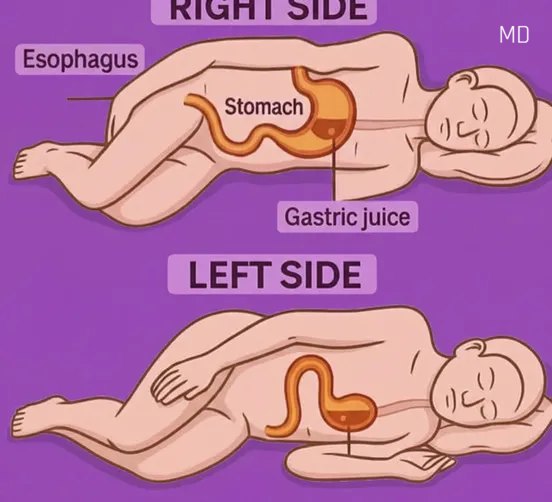
One commonly discussed benefit of left-side sleeping is its potential impact on digestion. Since the stomach is positioned slightly toward the left side of the body, lying this way may help keep stomach contents in place. This can be especially helpful for people who experience occasional nighttime heartburn or discomfort after eating. Many report that sleeping on the left side feels gentler on the stomach and may reduce the feeling of heaviness that sometimes interferes with restful sleep.
Circulation is another area where sleep position may play a role. Resting on the left side can help reduce pressure on certain blood vessels, allowing blood to flow more smoothly back toward the heart. The body’s lymphatic system, which supports waste removal and immune function, may also work more efficiently when the body is well aligned and relaxed. For this reason, left-side sleeping is often suggested for pregnant women, as it can improve comfort and reduce pressure on internal organs during later stages of pregnancy.
Adapting to a new sleeping position doesn’t have to happen overnight. Simple adjustments—such as placing a pillow between the knees or behind the back—can help maintain comfort and prevent rolling onto the back during sleep. Over time, the body often adapts naturally, making the position feel more comfortable and familiar.
While no single sleep posture is ideal for everyone, experimenting with small changes can be worthwhile. Since sleep takes up a large portion of daily life, improving comfort at night may support better energy, focus, and overall well-being during the day. Sometimes, a simple shift in how you sleep can make rest feel more restorative and mornings a little easier to start.