Changes in the body often happen gradually and may seem easy to ignore. In many cases, these changes are harmless and linked to factors such as hormones, aging, or everyday lifestyle shifts. Still, certain signs involving the breast area deserve attention, not as a cause for fear, but as part of staying informed and proactive about personal health.
Breast awareness means understanding what feels normal for your body and recognizing when something seems different. While most breast-related changes are not serious, some can signal underlying conditions that should be evaluated by a healthcare professional. Paying close attention to these signals helps ensure concerns are addressed early and appropriately.
1. Lumps or Swelling in the Armpit
One change that often goes unnoticed is swelling or a lump in the armpit area. The armpits contain lymph nodes, which are part of the immune system and help filter fluids from the body, including the breast tissue. These nodes can become temporarily enlarged due to common reasons such as infections, inflammation, or even recent vaccinations.
In many cases, this type of swelling resolves on its own. However, a lump that does not go away, increases in size, or feels firm or painless should not be ignored. Because lymph nodes in the armpit are closely connected to the breast, persistent changes may require further medical evaluation to determine the cause.
2. Changes in Breast Shape or Size
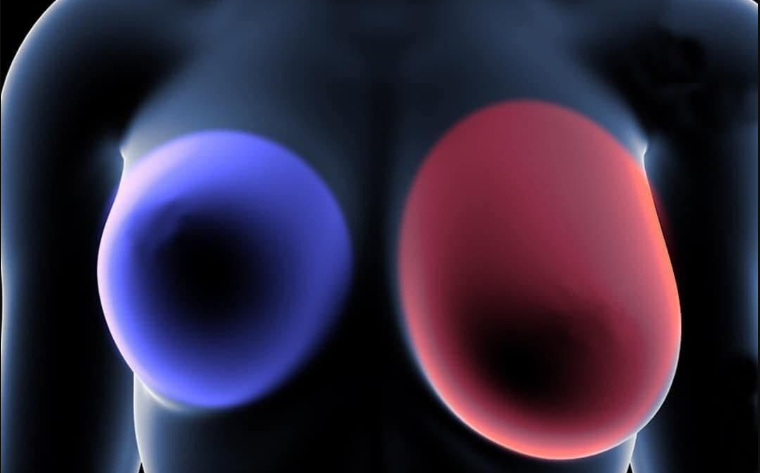
Another early sign that may be overlooked is a noticeable change in the size or shape of one breast. While natural asymmetry is common, sudden or unexplained changes—especially if they affect only one side—can be worth discussing with a healthcare provider.
These changes may include swelling, shrinking, or a feeling of fullness that does not seem related to the menstrual cycle. Although such changes are often benign, professional assessment can help rule out potential concerns and provide reassurance.
3. Skin or Texture Changes
Alterations in the appearance or texture of the breast skin can also be important to note. This may include redness, dimpling, thickening, or skin that looks irritated without an obvious reason. Sometimes the skin may resemble the texture of an orange peel.
Skin changes can occur for many non-serious reasons, such as allergic reactions or infections. Still, if they persist or worsen over time, a medical evaluation can help identify the underlying cause and determine whether further testing is needed.
4. Nipple Changes or Unusual Discharge
Changes involving the nipple should also be taken seriously. These may include nipple inversion (turning inward), persistent pain, or discharge that occurs without squeezing. While discharge can sometimes be linked to hormonal changes or benign conditions, unexpected or ongoing symptoms should be discussed with a doctor.
As with other signs, only proper clinical evaluation can determine whether nipple changes are harmless or require further attention.
The Importance of Self-Awareness and Screening
Regular breast self-awareness plays a key role in early detection. Many healthcare providers suggest becoming familiar with how your breasts normally look and feel, often through monthly self-checks. For those who menstruate, this is commonly recommended after the menstrual cycle, when hormonal changes are less likely to affect breast tissue.
Self-checks are not meant to diagnose medical conditions but to help you notice changes early. When something feels different, seeking medical advice promptly allows for accurate assessment and peace of mind.
In addition to self-awareness, routine medical screenings are an essential part of preventive care. Mammograms are commonly recommended starting around age 40, though the exact timing and frequency may vary based on personal risk factors and family history. These screenings can detect changes that may not be felt during physical exams.
Staying Proactive About Your Health
Early detection of breast cancer is associated with more treatment options and better outcomes. This is why consistent monitoring, regular screenings, and timely follow-up are so important. Open communication with healthcare providers ensures that questions and concerns are addressed objectively and without delay.
Maintaining overall well-being also supports long-term health. Balanced nutrition, regular physical activity, stress management, and following medical guidance all contribute to a healthier lifestyle.
Being informed and attentive empowers you to take an active role in your health. If you notice changes that concern you, consult a qualified healthcare professional. Prioritizing awareness and preventive care is a meaningful step toward a healthier and more confident future.