Can You Spot the Difference? This Simple Puzzle Reveals More About You Than You Think
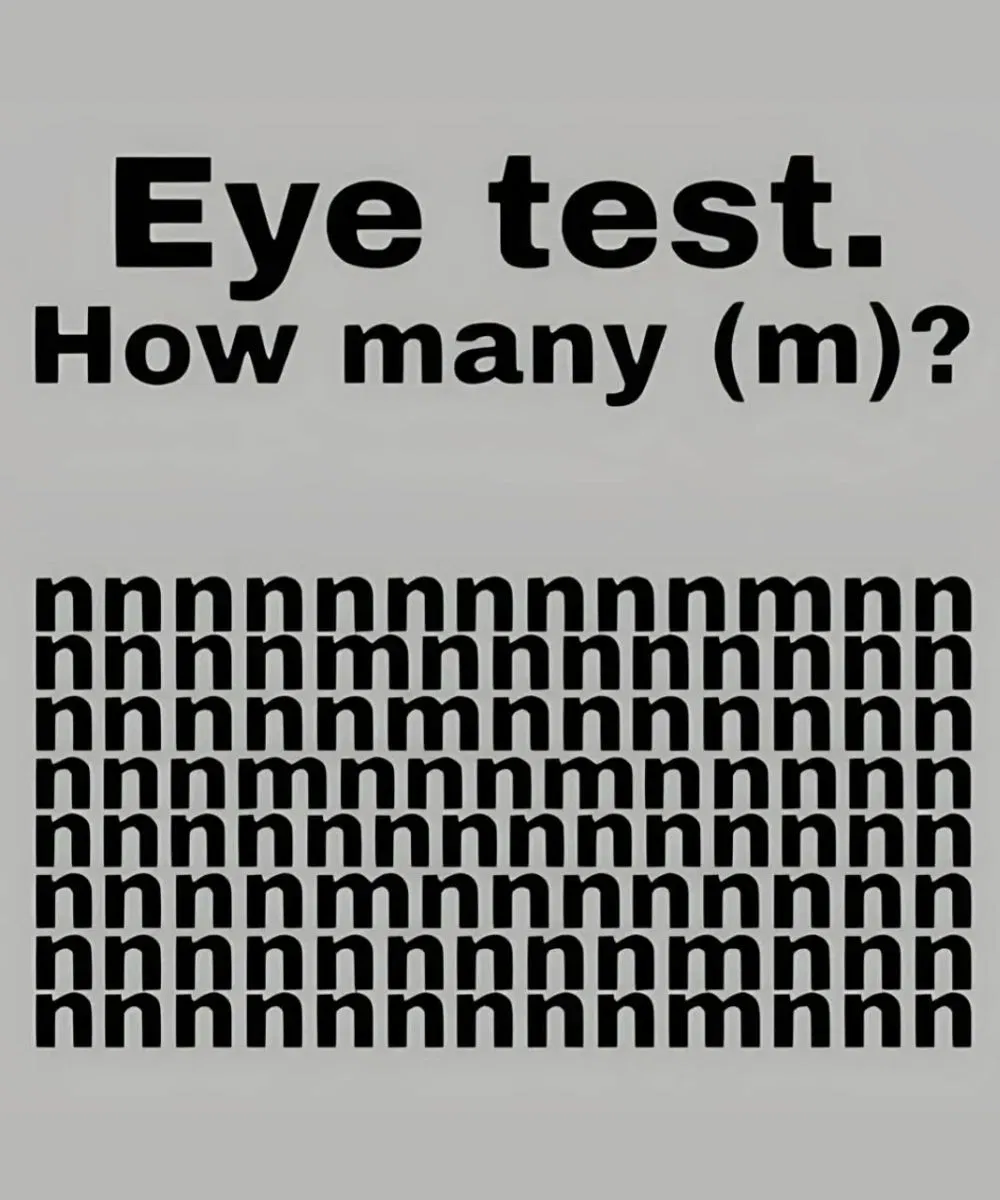
The internet loves a good challenge, and few formats have been more popular than spot-the-difference and hidden-object puzzles. One classic style is the hidden-letter grid: a screen full of one letter with a few lookalike impostors mixed in, like a handful of "m"s hiding among a sea of "n"s. At first glance it looks easy. It sounds simple, but it is trickier than expected.
These cleverly hidden elements test your focus, patience, and ability to notice the smallest details. Many people rush through, only to realize they have overlooked more than they thought.
Why Do These Visual Tests Go Viral?
Puzzles like this are more than just a quick distraction. They stimulate your brain, sharpen your concentration, and provide a fun break from daily routines. They also trigger that satisfying "aha!" moment when you finally spot what was hiding in plain sight.
Humans are naturally drawn to challenges. Finding the odd one out creates a sense of accomplishment that feels like a small reward for persistence. That little dopamine hit is a big reason these puzzles get shared, liked, and passed along.
The Psychology Behind the Challenge
Your brain is wired to recognize patterns. When you look at a block of repeating letters, your mind assumes the sequence will continue. That is why the "m" blends so easily into a grid of "n"s. It tricks your brain into overlooking it.
To succeed, you have to slow down, break away from autopilot, and carefully analyze each element. This shift from automatic pattern recognition to detailed observation is what makes the puzzle both tricky and rewarding. Psychologists call this top-down versus bottom-up processing: your expectations guide what you see until you consciously override them.
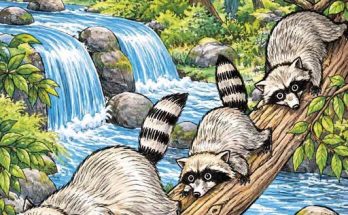
A similar effect powers spot-the-difference puzzles, where two nearly identical images hide a few changes. Your brain fills in the second image from memory of the first, which is exactly why differences slip past you.
What Your Result Says About You
If you managed to spot all the hidden elements, it likely reflects strong attention to detail and solid focus in that moment. If you missed a few, don't worry. It might simply mean you are used to processing information quickly, skimming rather than inspecting.
Either way, these puzzles are a great way to practice slowing down and training mindfulness. Performance on a puzzle is not a measure of intelligence or worth. It is mostly a measure of patience and strategy.
Proven Strategies for Solving Them
Whether it is a hidden-letter grid or two nearly identical pictures, these techniques work:
- Slow down on purpose. Speed is the enemy. Rushing guarantees misses.
- Scan systematically. Work row by row, or split the image into sections, instead of letting your eyes jump around.
- Look for the unusual, not the pattern. Instead of reading every letter, let your eyes hunt for shapes that break the rhythm.
- Change your distance. Zooming in reveals small details; stepping back can make a break in the pattern pop out.
- Check the spots you skipped. Most people scan the center and ignore corners and edges. Designers know this.
- Take a break and return. Fresh eyes routinely catch what tired eyes missed.
The Brain Benefits
Beyond the fun, these puzzles train sustained attention and visual scanning, skills that carry over into everyday life, from proofreading a document to noticing details in your surroundings. Short, focused visual challenges can also serve as a mental reset, pulling you out of passive scrolling and into active observation.
Spot the Difference vs Hidden Object Puzzles
These two popular formats exercise slightly different skills:
- Spot the difference: you compare two nearly identical images and find the changes. This trains visual memory, because you have to hold one image in mind while scanning the other.
- Hidden object: you search a single busy scene for listed items. This trains systematic scanning and pattern breaking, since the targets blend into the background.
Both reward the same core habits: slowing down, scanning methodically, and checking the places you would normally skip.
Making Your Own Puzzles
Creating a puzzle for friends or family is surprisingly easy and doubles the fun:
- Take two photos of the same scene, moving or removing a few small objects between shots.
- Keep the changes subtle but fair: a shifted book, a missing pen, a rotated picture frame.
- Challenge someone to find all the differences, then swap roles.
Making puzzles trains the same attention skills as solving them, because you have to study the image carefully to design good differences. It also makes a great low-cost activity for classrooms, family gatherings, or long trips.
Another fun variant is the hidden-letter challenge: write a grid of similar characters on paper, sneak in a few impostors, and time how long it takes someone to find them all. Comparing times adds a friendly competitive edge, and repeating it weekly can show real improvement in your scanning speed.
Why Kids and Adults Both Love Them
For children, these puzzles build observation skills, vocabulary (naming what they see), and the patience to finish a task without rushing. For adults, the draw is the satisfying break from routine and the social element of comparing results. Many families enjoy solving them together, turning a solitary scroll into a shared game.
A Quick Puzzle for You
Try this right now with your surroundings: pick any repeating pattern near you, a bookshelf, a tiled wall, a grid of app icons, and look for one element that breaks the pattern. Notice how long it takes before your eyes stop skimming and start truly looking. That shift is the whole point of these puzzles.
The next time a spot-the-difference challenge crosses your feed, resist the urge to guess. Slow down, scan section by section, and enjoy the hunt. The real prize isn't the final count. It's the moment everything clicks.