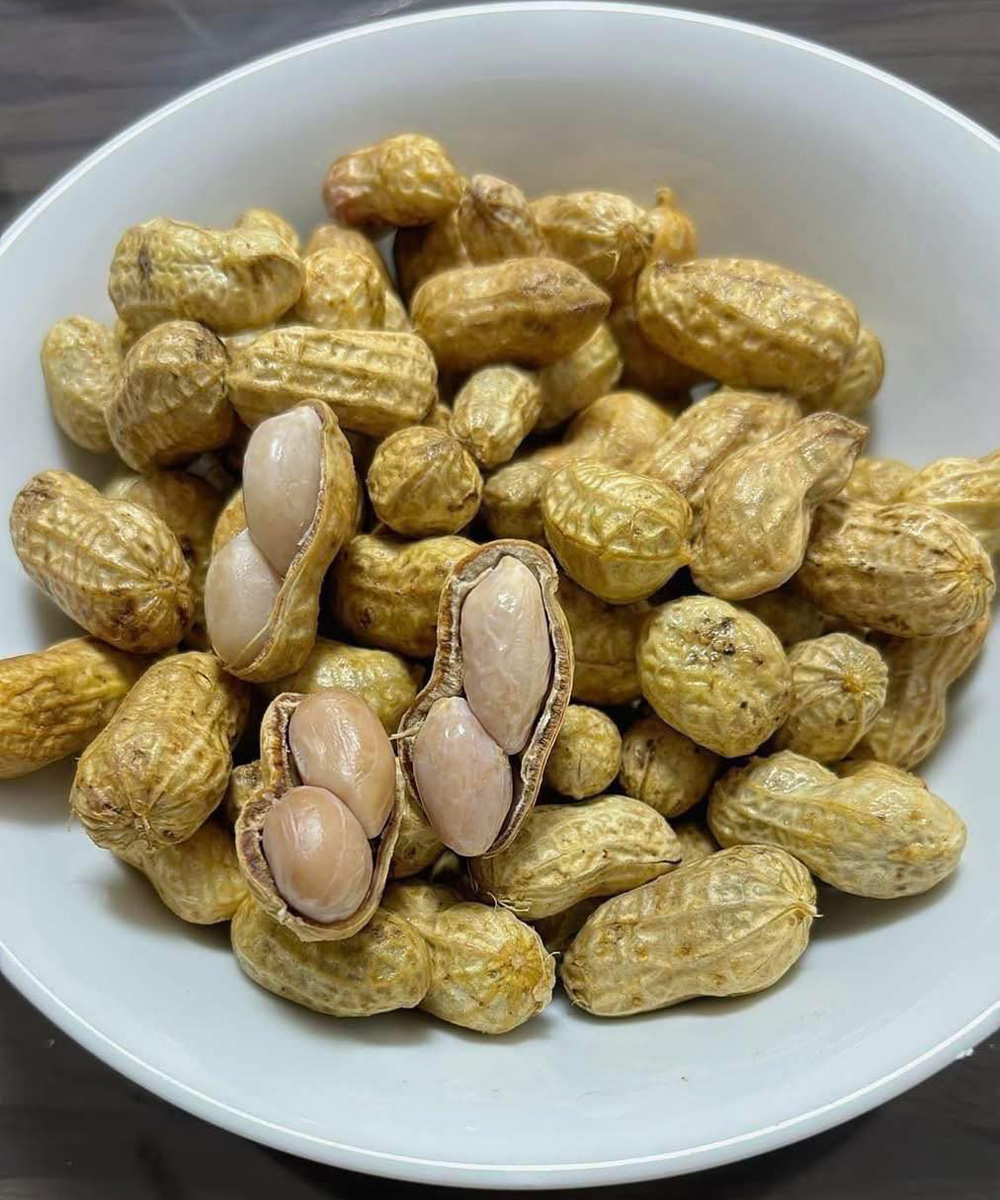
Peanuts are a widely enjoyed snack known for their rich taste, satisfying crunch, and strong nutritional value. They provide plant-based protein, healthy fats, and essential vitamins, making them a useful addition to a balanced diet.
However, like many foods, peanuts should be eaten with care. The way they are prepared and the amount consumed can influence their impact on health. Understanding both the benefits and the possible risks can help you make better dietary choices.
Possible health concerns linked to peanuts include allergic reactions, which can range from mild symptoms such as skin irritation to more serious issues like swelling or breathing difficulty. For people with peanut allergies, even small amounts can be dangerous, so complete avoidance is necessary.
Peanuts are also high in calories. While they contain beneficial fats, eating them in large quantities may contribute to weight gain, especially if overall calorie intake is not balanced with physical activity. Moderation is important to prevent this.
Another concern is contamination. When peanuts are stored improperly, they may develop harmful substances produced by certain molds. Buying from reliable sources and storing them in a cool, dry place can help reduce this risk.
Some people may also experience digestive discomfort after eating too many peanuts. Their fat and fiber content can lead to bloating or heaviness if consumed in excess. In addition, salted varieties may contain high levels of sodium, which is not ideal for long-term heart health.
When eaten in moderation, peanuts offer several health benefits. They support heart health due to their healthy fats and antioxidant content. They are also a good source of protein and fiber, which can help with satiety and balanced eating habits.
Peanuts contain nutrients such as vitamin E and B vitamins that support brain function and help protect cells. Their low glycemic effect means they are less likely to cause sudden spikes in blood sugar, making them a suitable snack for many people.
They also provide nutrients like biotin, zinc, and antioxidants that contribute to maintaining healthy skin and hair.
A reasonable serving size is about a small handful per day, roughly 28 to 30 grams. Choosing raw or dry-roasted, unsalted peanuts is generally the best option, while heavily processed, salted, or sugar-coated varieties are better limited.
In summary, peanuts can be a nutritious and satisfying snack when consumed in moderation. Paying attention to portion size, quality, and storage can help you enjoy their benefits while minimizing potential risks
Peanuts are a widely enjoyed snack known for their rich taste, satisfying crunch, and strong nutritional value. They provide plant-based protein, healthy fats, and essential vitamins, making them a useful addition to a balanced diet.
However, like many foods, peanuts should be eaten with care. The way they are prepared and the amount consumed can influence their impact on health. Understanding both the benefits and the possible risks can help you make better dietary choices.
Possible health concerns linked to peanuts include allergic reactions, which can range from mild symptoms such as skin irritation to more serious issues like swelling or breathing difficulty. For people with peanut allergies, even small amounts can be dangerous, so complete avoidance is necessary.
Peanuts are also high in calories. While they contain beneficial fats, eating them in large quantities may contribute to weight gain, especially if overall calorie intake is not balanced with physical activity. Moderation is important to prevent this.
Another concern is contamination. When peanuts are stored improperly, they may develop harmful substances produced by certain molds. Buying from reliable sources and storing them in a cool, dry place can help reduce this risk.
Some people may also experience digestive discomfort after eating too many peanuts. Their fat and fiber content can lead to bloating or heaviness if consumed in excess. In addition, salted varieties may contain high levels of sodium, which is not ideal for long-term heart health.
When eaten in moderation, peanuts offer several health benefits. They support heart health due to their healthy fats and antioxidant content. They are also a good source of protein and fiber, which can help with satiety and balanced eating habits.
Peanuts contain nutrients such as vitamin E and B vitamins that support brain function and help protect cells. Their low glycemic effect means they are less likely to cause sudden spikes in blood sugar, making them a suitable snack for many people.
They also provide nutrients like biotin, zinc, and antioxidants that contribute to maintaining healthy skin and hair.
A reasonable serving size is about a small handful per day, roughly 28 to 30 grams. Choosing raw or dry-roasted, unsalted peanuts is generally the best option, while heavily processed, salted, or sugar-coated varieties are better limited.
In summary, peanuts can be a nutritious and satisfying snack when consumed in moderation. Paying attention to portion size, quality, and storage can help you enjoy their benefits while minimizing potential risks.