Don't Be Misled: Smart Tips for Choosing Safe, High-Quality Meat
When shopping for meat, it is important to understand that not all products offer the same level of quality and safety. While many stores follow proper handling and hygiene standards, there are instances where meat may not be stored or transported correctly. Staying informed helps you make better choices and protect the health and well-being of your family.
This guide explains how to judge meat quality with your senses, read labels properly, choose reliable sellers, and store and cook meat safely at home. These are practical skills, not insider secrets, and a few extra moments of attention at the shop and in the kitchen go a long way.
Why meat quality deserves your attention
Meat is one of the most perishable foods you can buy. From the moment it is processed, time, temperature, and handling decide whether it stays safe and appetizing. Meat that is not fresh or properly handled can carry higher risks of foodborne illness, which can range from mild discomfort to more serious health concerns. The good news is that most problems are preventable with careful selection, correct storage, and thorough cooking.
Start with labels and dates
Labels are the most reliable information you have at the counter, so learn to read them properly.
- Sell-by, use-by, and best-before dates. A "use-by" date is about safety: do not eat the product after it. A "sell-by" date is guidance for the store, and a "best-before" date is about quality rather than safety. Choosing products with later dates generally gives you a wider safe window.
- Storage instructions. Check whether the label says "keep refrigerated" and at what temperature range. If a package in the store feels warmer than the surrounding items, skip it.
- Origin and processing information. Labels often state the country or region of origin and sometimes how the animal was raised or processed. This helps you compare products and return to brands you trust.
- Packaging integrity. Look for tight, unbroken packaging. Leaking, bloated, or punctured packs let air and contaminants in, and they are always a reason to choose another package.
If anything on the label is unreadable, smudged, or missing, treat that as a warning sign on its own.
Use your senses: sight, touch, and smell
Your senses are a practical backup to the label. Here is what fresh meat should look and feel like:
- Color. Fresh beef is typically a bright cherry red; pork and lamb range from light pink to rose; poultry is usually a pinkish tone with creamy white skin. Some color variation is normal, especially where the meat was exposed to air, but large gray, green, or iridescent patches are not good signs.
- Texture and appearance. Fresh meat generally has a firm texture and a clean appearance. It should look moist but not excessively wet or sticky. If you can see through the packaging, press gently: fresh meat should spring back rather than hold an indentation.
- Smell. A neutral or faintly metallic smell is normal for fresh meat. Any strong, sour, or ammonia-like odor suggests spoilage, and you should not buy it. Note that vacuum-packed meat can smell slightly different when first opened because of the lack of oxygen; the smell should dissipate within a few minutes.
Meat that looks slimy, feels tacky, is discolored, or smells off should stay on the shelf. Trust these signs; they are simple but reliable.
Where you shop matters
Buying from trusted stores or reputable butchers increases the chances that meat has been handled properly from source to shelf. Reliable sellers usually follow strict hygiene practices: refrigerated display cases kept at proper temperature, clean cutting surfaces, staff who handle meat with gloves and separate it from ready-to-eat foods, and clear labeling with dates and origin.
A good butcher shop is worth getting to know. Ask questions: where does the meat come from, when was it delivered, how was it stored? A seller who answers confidently and specifically is a better bet than one who waves the questions away. Supporting local farmers and trusted suppliers can also be beneficial. Many local producers focus on quality and freshness and meet high standards, and choosing these sources supports local communities as well.
Different meats, different checkpoints
While the basics apply everywhere, each type of meat has its own cues:
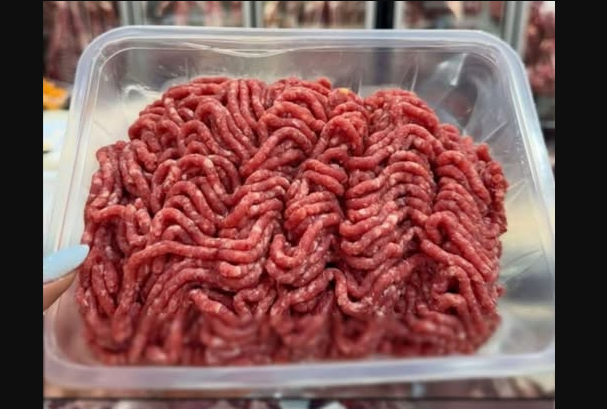
- Beef and veal. Look for bright red color and firm texture. Marbling (thin streaks of fat within the muscle) generally means tenderness and flavor, especially for steaks. Ground beef should be bright red on the surface and used or frozen quickly because its large exposed surface area spoils faster.
- Pork. Should be light pink with white, firm fat. Avoid pork with dark spots or an off smell. Pork must be cooked thoroughly, so plan your storage accordingly.
- Poultry. Skin should be intact and creamy white to pale yellow, with no tears or bruising. Chicken is highly perishable, so check dates carefully and get it into the refrigerator or freezer promptly after purchase.
- Lamb. Pink to rose-colored flesh with white fat is the mark of freshness. Brown edges or yellowing fat suggest the meat is past its prime.
- Fish and seafood (often sold alongside meat). Clear, bright eyes, shiny skin, firm flesh that springs back, and a mild ocean smell are the signs of freshness. A strong fishy odor means it is past its best.
Smart storage at home
Choosing quality meat is only half the job. Proper storage at home is just as important.
- Refrigerate promptly. Get meat into the refrigerator as soon as you return from shopping, ideally within two hours, or within one hour on a hot day.
- Keep it cold. Store raw meat in the coldest part of the refrigerator, usually the bottom shelf, so juices cannot drip onto other foods. Your refrigerator should be at or below 4°C (39°F).
- Freeze what you will not use soon. Wrap meat tightly to prevent freezer burn, label it with the date, and use it within the recommended time frame. Thaw frozen meat in the refrigerator, never on the counter.
- Keep it separate. Store raw meat away from ready-to-eat foods. Use separate cutting boards and utensils for raw meat and produce, and wash your hands, boards, and knives with soap and hot water after handling raw meat.
Cook it thoroughly
Cooking meat to the proper temperature eliminates harmful bacteria and is the single most effective safety step. Use a food thermometer rather than judging by color alone, since color can be misleading. General guidance from food safety agencies: poultry should reach an internal temperature of 74°C (165°F), ground meats should also reach 74°C (165°F) throughout, and whole cuts of beef, pork, lamb, and veal are commonly recommended at a minimum of 63°C (145°F) with a rest time, though many cooks prefer higher temperatures for tenderness and personal safety. After cooking, refrigerate leftovers promptly and do not leave cooked meat at room temperature for more than two hours.
Frequently asked questions
Is darker beef unsafe?
Not necessarily. Beef can darken inside vacuum packaging because of limited oxygen exposure; it often brightens back to red within minutes of air contact. Judge by smell, texture, and dates alongside color.
Can I refreeze thawed meat?
If the meat was thawed in the refrigerator and is still fresh, it can be refrozen, though quality may decline slightly. Meat thawed on the counter or in warm water should not be refrozen.
How long does raw meat keep in the refrigerator?
As a general rule, ground meat and poultry are best used within one to two days, while whole cuts of beef, pork, and lamb keep for three to five days. Always follow the use-by date on the package and your senses.
What should I do if meat smells slightly off but the date is fine?
Do not eat it. Dates are only one indicator, and improper storage can spoil meat early. When in doubt, throw it out.
In the end, being mindful while shopping for meat lets you take control of your food choices. With careful selection, proper storage, and thorough cooking, you can enjoy meals that are safe, fresh, and full of flavor every day.
This article is for informational purposes only and is not medical advice. Please consult a qualified professional.