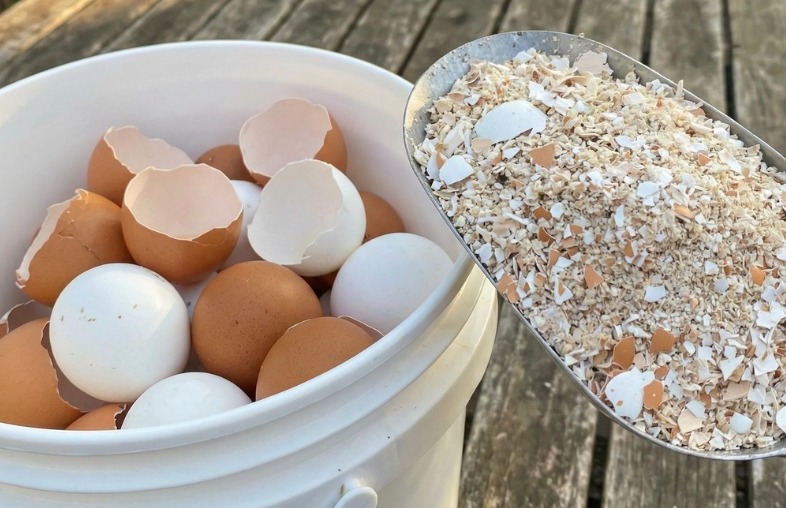
Don’t Throw Away Eggshells: How Boiling Them Can Give Kitchen Scraps a Second Life
Eggshells are often tossed into the trash without a second thought. However, these simple kitchen leftovers can be surprisingly useful when prepared properly. With a little effort, you can turn eggshells into practical helpers for your home and garden. This easy habit not only reduces waste but also supports a more sustainable lifestyle.
Because eggshells naturally contain calcium and have a sturdy texture, they can serve several household purposes. The key is preparing them safely before reuse.
Step One: Clean and Sanitize Properly
Before repurposing eggshells, it's important to clean them thoroughly. Start by rinsing each shell under running water to remove any remaining egg residue. Next, place the shells in a pot of water and bring it to a gentle boil. Let them simmer for about 10 to 15 minutes. This process helps sanitize the shells and makes them safer to handle later.
After boiling, drain the water and spread the shells on a clean towel or baking sheet. Allow them to dry completely. You can speed this up in a low oven for a few minutes if you like. Once dry, store them in a sealed container until you're ready to use them. Proper preparation keeps them hygienic and ready for various uses.
Why bother with all this? Raw eggshells can harbor bacteria like salmonella on their surfaces. Boiling eliminates that concern, making the shells safe for every use below, including the ones involving soil you'll grow food in.
Ways to Use Eggshells in the Garden
1. Soil Enrichment
Crushed eggshells can be mixed into garden soil or compost. Over time, they gradually break down and contribute minerals, primarily calcium carbonate, that may help improve soil quality. Many home gardeners use them as part of a long-term soil building strategy. They decompose slowly, so think of them as a slow-release amendment rather than a quick fix.
2. Natural Pest Deterrent
Roughly crushed shells, with their sharp edges, can be scattered around the base of vulnerable plants. Soft-bodied pests like slugs and snails dislike crawling over the jagged fragments. It's not an impenetrable barrier, but as one layer of defense among several, gardeners report it helps.
3. Seed Starters
Halved eggshells make charming, biodegradable seed-starting pots. Fill each half with potting soil, plant a seed, and when the seedling is ready, plant the whole thing directly in the garden. The shell breaks down and the roots grow through it. Just remember to crack the bottom slightly at planting time to help roots escape.
4. Compost Booster
Added to a compost pile, eggshells contribute calcium and help balance the pile's texture. Crush them first so they break down faster. They won't single-handedly transform your compost, but they're a worthwhile addition to the mix.
5. Tomato Support
Tomatoes and peppers are prone to blossom end rot, a condition linked to calcium deficiency in the plant. While crushed eggshells won't cure an active deficiency quickly (they break down too slowly), incorporating them into soil over seasons contributes to the calcium pool these heavy feeders draw on.
Ways to Use Eggshells in the Home
6. Gentle Abrasive Cleaner
Finely ground eggshells mixed with a little soapy water make a mild scouring powder for pots, pans, and stubborn stovetop spots. The fine grit lifts grime without the harshness of chemical abrasives. Test on a small area first with delicate surfaces.
7. Drain Freshener
Some people toss crushed shells into the garbage disposal with cold water and citrus peels, finding the abrasion helps clean the grinding components. Use sparingly and with plenty of water, and skip this if your plumbing is sensitive.
8. Natural Deodorizer
Dried, crushed shells placed in a small open container can help absorb odors in refrigerators or pantries, similar to baking soda. Replace them every few weeks for best effect.
9. Craft and Art Projects
Clean, dry shells are a classic craft material: mosaics, decorated Easter eggs, textured paint additives, and children's art projects. Their natural off-white color takes dye beautifully.
10. Calcium Supplement for Pets (With Vet Guidance)
Some pet owners bake and finely grind eggshells as a calcium supplement for dogs, particularly those on homemade diets. This should only be done under veterinary guidance to get dosing right, since too much calcium causes its own problems.
What Eggshells Can't Do
Honest expectations matter. Eggshells won't replace fertilizer, won't deter determined pests on their own, and won't transform poor soil overnight. Their calcium releases slowly, over months. Think of them as a supplement to good gardening practices, not a substitute. And never use unwashed, unboiled shells in ways that could introduce bacteria, especially around food crops.
Building the Habit
The beauty of reusing eggshells is how easily it fits into existing routines. Keep a container by the stove for shells as you cook. When it's full, boil, dry, and crush the batch. Ten minutes of occasional effort diverts meaningful waste from landfills over a year, and gives you free garden amendment and household helpers in return.
Small sustainable habits compound. The eggshells you save this week join the coffee grounds, the vegetable scraps, and the mindful shopping choices in a lifestyle that wastes less and values more. It starts, improbably, with something you'd otherwise throw away.
Frequently Asked Questions
Do I really need to boil eggshells before reusing them?
Yes, it's strongly recommended. Boiling for 10 to 15 minutes sanitizes the shells, eliminating bacteria like salmonella and making them safe for garden and household uses.
How long do crushed eggshells take to break down in soil?
They decompose slowly, typically over several months to a year depending on particle size. Finer grinding speeds the process. They're a long-term soil amendment, not a quick fix.
Can eggshells really stop slugs?
They can help as part of a broader strategy. The sharp edges deter soft-bodied pests, but determined slugs may cross them. Combine with other methods like copper barriers or beer traps for best results.
Are eggshells safe for all plants?
Generally yes, in moderation. They're mildly alkaline, so avoid heavy application around acid-loving plants like blueberries, azaleas, and rhododendrons.
Can humans eat ground eggshells for calcium?
Some people do use finely ground, sterilized eggshells as a calcium supplement, but dosing is tricky and contamination is a risk. It's safer to get calcium from food or properly manufactured supplements, and to consult a healthcare provider first.