
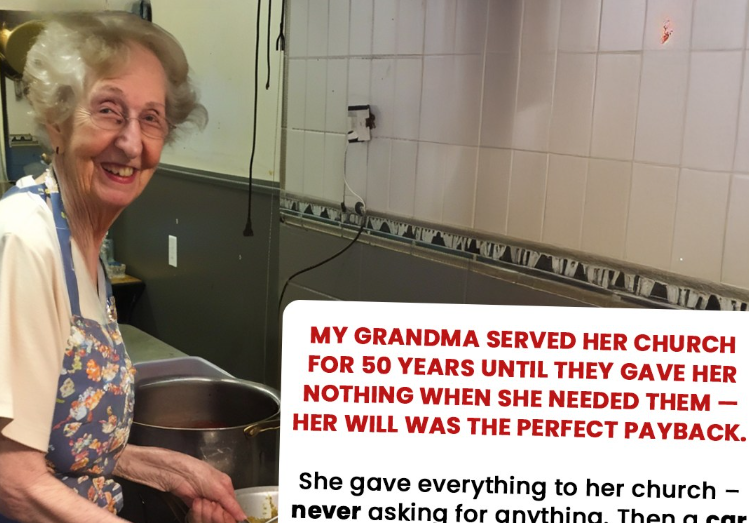
Eleanor's Lifetime of Service and the Legacy She Left Behind
A Life Poured Out for Others
For almost half a century, Eleanor poured her energy, time, and resources into her local church. She taught Sunday school to children, organized youth group activities, prepared meals for community events, and even quietly covered the costs for children who could not afford mission trips. She did all of this without seeking recognition, guided only by her faith and a desire to help others.
Fifty years is a remarkable span of service. It means Eleanor was there for generations of children: teaching toddlers their first Bible stories, guiding teenagers through youth group, and later welcoming those same children back as adults with families of their own. Her influence rippled outward in ways she likely never fully realized. Every meal she prepared, every trip she funded, every Sunday morning she showed up early planted seeds in young lives.
What made Eleanor's service extraordinary was not just its duration but its spirit. She did not serve for applause. She served because her faith told her it was right, and because she genuinely loved the people around her. In a world that often rewards visibility, Eleanor chose the quieter path: showing up, doing the work, and asking for nothing in return.
The Many Ways Eleanor Served
Eleanor's contributions touched nearly every corner of church life:
- Sunday school teacher: She taught children week after week, shaping young minds with patience and warmth.
- Youth group organizer: She planned activities that gave teenagers a safe, joyful place to belong.
- Community cook: She prepared meals for church events, feeding crowds with the same care she would give her own family.
- Silent benefactor: She quietly paid for children who could not afford mission trips, ensuring no child was left out because of money.
- Encourager: She sent warm cards and notes to the children of the congregation, reminding them they were seen and valued.
Each of these roles mattered. Together, they formed a lifetime of faithfulness that held the community together in ways both visible and invisible.
When the Tables Turned
Later in life, a serious car accident left Eleanor unable to walk without assistance. The woman who had spent decades caring for others suddenly needed care herself. Hoping for the same compassion she had always shown, she reached out to her church community for support, requesting rides, companionship, and prayers.
Yet very few people responded.
This is the painful heart of Eleanor's story. The community she had served so faithfully for half a century largely failed to show up when she needed them most. The woman who had driven countless children to events now struggled to find a ride. The woman who had visited the sick and comforted the grieving now sat waiting for company that rarely came.
Despite her disappointment, she continued her tithing, sending warm cards and encouraging notes to the children of the congregation, though her health and energy began to decline. Even in her own need, Eleanor kept giving. That unwavering generosity, maintained in the face of neglect, reveals the depth of her character. Her service had never been transactional. She had not kept a ledger of favors owed. She gave because giving was who she was.
The Question That Changed Everything
As the months passed, a visit from a church leader brought a question that deeply affected her: whether she had remembered the church in her will.
Consider the weight of that moment. Eleanor, struggling with mobility, disappointed by the lack of support, receiving a visit not to ask how she was doing or what she needed, but to ask about her will. The question laid bare a painful truth about how institutions sometimes value people: for what they can provide rather than for who they are.
That conversation gave Eleanor pause and inspired her to make sure her final plans reflected her deepest values. It was a turning point. Eleanor began to think carefully about what her legacy should truly be, not what others assumed it should be, but what aligned with a lifetime of genuine, heartfelt service.
This moment raises uncomfortable questions for every community and institution:
- Do we value people for their contributions or for their humanity?
- Do we show up for those who have shown up for us?
- When someone can no longer serve, do we still see their worth?
- Are our expressions of care genuine, or do they come with expectations attached?
A Small but Meaningful Farewell
When Eleanor passed away, her memorial service was small but meaningful, attended by those who had truly supported and cherished her. The crowd was not large, but it was real. Every person there had earned their place through genuine love, not obligation or appearance.
Two weeks later, her will was read. Family members and close friends gathered to learn how Eleanor had chosen to distribute what she had. Given the church leader's question about her will, the reading carried an extra weight of anticipation.
Eleanor's final plans reflected her deepest values, the same values that had guided fifty years of quiet service. Her decisions in that will were her last lesson to the community: a statement about what truly matters.
The Legacy Eleanor Left Behind
Eleanor's legacy is not measured in dollars or bequests. It is measured in the lives she shaped across five decades of faithful service. Consider what she left behind:
- Generations of children who learned kindness, faith, and generosity from her example
- A model of selfless service that challenges everyone who hears her story to examine their own giving
- A cautionary tale about how communities treat their most faithful servants when they become vulnerable
- A final act of integrity, ensuring her last decisions reflected her true values rather than others' expectations
Her story also serves as a mirror for churches and communities everywhere. It asks hard questions about reciprocity and whether our institutions practice the compassion they preach.
What Eleanor's Story Teaches Us
Eleanor's life offers lessons that extend far beyond one church community:
- Serve without keeping score. Eleanor gave for fifty years without expecting repayment. That is the purest form of generosity.
- Show up for people when they need you. The community's failure to support Eleanor in her final years is the story's painful warning. Do not let gratitude arrive only at the funeral.
- Value people beyond their usefulness. The question about Eleanor's will revealed an institutional mindset that valued her assets over her humanity. People are not resources to be managed.
- Keep giving, even when disappointed. Eleanor's continued generosity in the face of neglect was not weakness. It was strength of the highest order.
- Let your final acts reflect your values. Eleanor's careful attention to her will ensured that her last decisions honored the principles she had lived by.
Remembering Eleanor
Eleanor is gone, but her influence endures in every child she taught, every meal she served, every trip she funded, and every note of encouragement she sent. Her memorial may have been small, but her legacy is vast.
The next time you see someone quietly serving in the background, the Sunday school teacher arriving early, the volunteer setting up chairs, the neighbor checking on the elderly, think of Eleanor. And then do what her community too often failed to do: thank them, support them, and show up for them, not just when they are useful, but always.
Frequently Asked Questions
Who was Eleanor and what did she do?
Eleanor was a devoted church member who served her local congregation for nearly fifty years. She taught Sunday school, organized youth group activities, prepared meals for community events, and quietly paid for children who could not afford mission trips, all without seeking recognition.
What happened to Eleanor later in life?
A serious car accident left her unable to walk without assistance. When she reached out to her church community for rides, companionship, and prayers, very few people responded, despite her decades of faithful service.
What was significant about the church leader's visit?
A church leader visited Eleanor and asked whether she had remembered the church in her will, rather than focusing on her wellbeing. This prompted Eleanor to ensure her final plans reflected her deepest values.
What was Eleanor's memorial service like?
Her memorial service was small but meaningful, attended by those who had truly supported and cherished her. Two weeks later, her will was read, revealing final plans that reflected her lifetime of values.
What is the main lesson of Eleanor's story?
Her story teaches the importance of serving without expecting repayment, showing up for people when they need support, valuing individuals beyond their usefulness, and ensuring our actions and final decisions reflect our deepest values.



