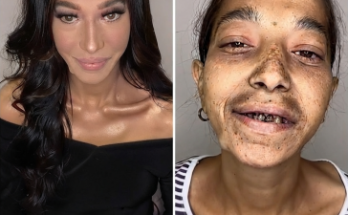
From Rejection to Respect: The Blind Woman Who Became the Governor's Son's Wife
Stories about a person with a disability being rejected by family and then finding dignity and love resonate deeply, because they speak to a universal hunger: to be seen as a whole person, not as a condition, a burden, or a disappointment. Whether or not any single version of such a story is literally true, the theme underneath it is real. Millions of people with disabilities navigate a world that often measures them by what they lack instead of who they are.
This article is not about verifying one tale. It is about the real ideas inside it: dignity beyond disability, respect that costs nothing to give, and practical ways families and communities can do better.
Why These Stories Move Us
These narratives follow an arc we recognize instantly: rejection, quiet endurance, and finally recognition. They move us because most people have felt unseen at some point, and because they confirm a hope we all carry: that character matters more than appearance, and that kindness can change a life's direction.
For readers with disabilities or with disabled loved ones, the resonance runs deeper. The details may be fiction, but the experience of being underestimated, spoken over, or hidden away is, for many, lived reality. That is why the story works, and why it deserves a serious response rather than just a share and a scroll.
Seeing the Whole Person
The most damaging thing about how society treats disability is reduction: a person becomes "the blind girl," "the wheelchair user," "the deaf kid," as if the condition were the entire identity. Dignity begins with refusing that reduction.
- Ask, do not assume. Ask what someone needs instead of deciding for them. Many people with disabilities are experts in their own lives; the respectful move is to listen.
- Speak directly to the person. A common and painful experience is being talked about as if absent: asking a companion what "she" wants. Address the person themselves, always.
- Respect competence. Blindness, deafness, or limited mobility does not equal limited intelligence, limited feeling, or limited ambition. Expect capability until shown otherwise, not the reverse.
- Use person first language when preferred. Many people prefer "person with a disability" over defining labels, though preferences vary. When in doubt, ask the individual.
Dignity at Home: Where It Matters Most
Family rejection wounds more deeply than stranger prejudice, because home is supposed to be the safe place. Families who want to do right by a disabled member can start here:
- Include, do not hide. Excluding a disabled child or sibling from gatherings, photos, or conversations teaches everyone in the family that shame is the correct response. Inclusion teaches the opposite.
- Give real roles. Chores, decisions, responsibilities: a person who contributes to the household is a full member of it, not a guest to be managed.
- Protect autonomy. Help when asked; step back when not asked. Overhelping can be its own form of dismissal, signaling that you do not believe they can manage.
- Grieve honestly if you need to, then move forward. Parents sometimes need space to process a diagnosis. That is human. What matters is arriving, eventually, at acceptance and advocacy rather than staying in disappointment.
Respect in Relationships
Everyone deserves a partner who chooses them for who they are. For people with disabilities, dating can carry extra layers: fear of being seen as a burden, partners who "help" but do not truly respect, or the opposite, being idealized as inspiring rather than known as a person.
Healthy love, disabled or not, has the same markers: mutual respect, shared decisions, honesty, and the freedom to be ordinary together. A partner who describes your world back to you with warmth, who shares their own vulnerabilities too, who stands beside you in public without embarrassment, is showing respect. Pity is not respect. Admiration from a distance is not respect. Partnership is.
What Communities Get Wrong, and How to Fix It
Beyond the family, everyday environments decide whether a person with a disability is included or sidelined:
- Accessibility is respect made concrete. Ramps, captions, large print, clear signage, and flexible seating are not special favors. They are the physical form of saying "you belong here."
- Employment matters. Meaningful work is one of the strongest sources of dignity. Employers who hire for ability and accommodate practically change lives more than any awareness campaign.
- Language shapes reality. Casual phrases that use disability as an insult or a joke ("are you blind?", "that's so lame") teach contempt. Dropping them costs nothing.
- Representation should be normal, not inspirational. People with disabilities belong in stories, workplaces, and public life as ordinary participants, not only as symbols of courage.
If You Are the One Who Was Rejected
Some readers will recognize themselves in the rejected figure of these stories: the one hidden away, underestimated, or treated as less. If that is you, a few truths are worth holding:
- The rejection was about their limits, not your worth. Families reject what they do not understand. That is their failure, not your flaw.
- Build your own circle. Found family, friends, mentors, disability community groups: belonging you choose is often stronger than belonging you were born into.
- Your voice is an asset. People who have navigated the world differently often see it more clearly. Insight born of hardship is real wisdom; use it.
- You do not need a dramatic rescue. Dignity does not require a mansion, a title, or a perfect partner. It requires being treated as fully human, starting with how you treat yourself.
Frequently Asked Questions
How should I talk to a blind person I just met?
Normally. Introduce yourself by name, speak in your natural voice, and offer specific help ("would you like a hand with the stairs?") rather than grabbing an arm. If they decline, accept it graciously.
Is it offensive to ask about someone's disability?
Context matters. Curiosity from a stranger can feel intrusive; genuine interest from someone building a relationship is usually welcome. A good rule: let the person bring it up, or ask permission before asking details.
What is the biggest mistake well meaning people make?
Assuming helplessness. The second biggest is assuming inspiration: treating ordinary life as extraordinary courage. Most people with disabilities want the same thing everyone wants, to be treated normally.
How can I be a better ally?
Listen to disabled voices directly, support accessibility in your workplace and community, hire inclusively, challenge mocking language when you hear it, and vote with inclusion in mind. Allyship is a practice, not a label.
The Real Lesson
The lesson behind every version of this story is the same, and it does not depend on any particular plot being true: human worth is not measured by eyesight, appearance, or status. It is built from character, empathy, and mutual respect. A world that understands that is a world with room for everyone, and building it starts with the small daily choice to see the person first.