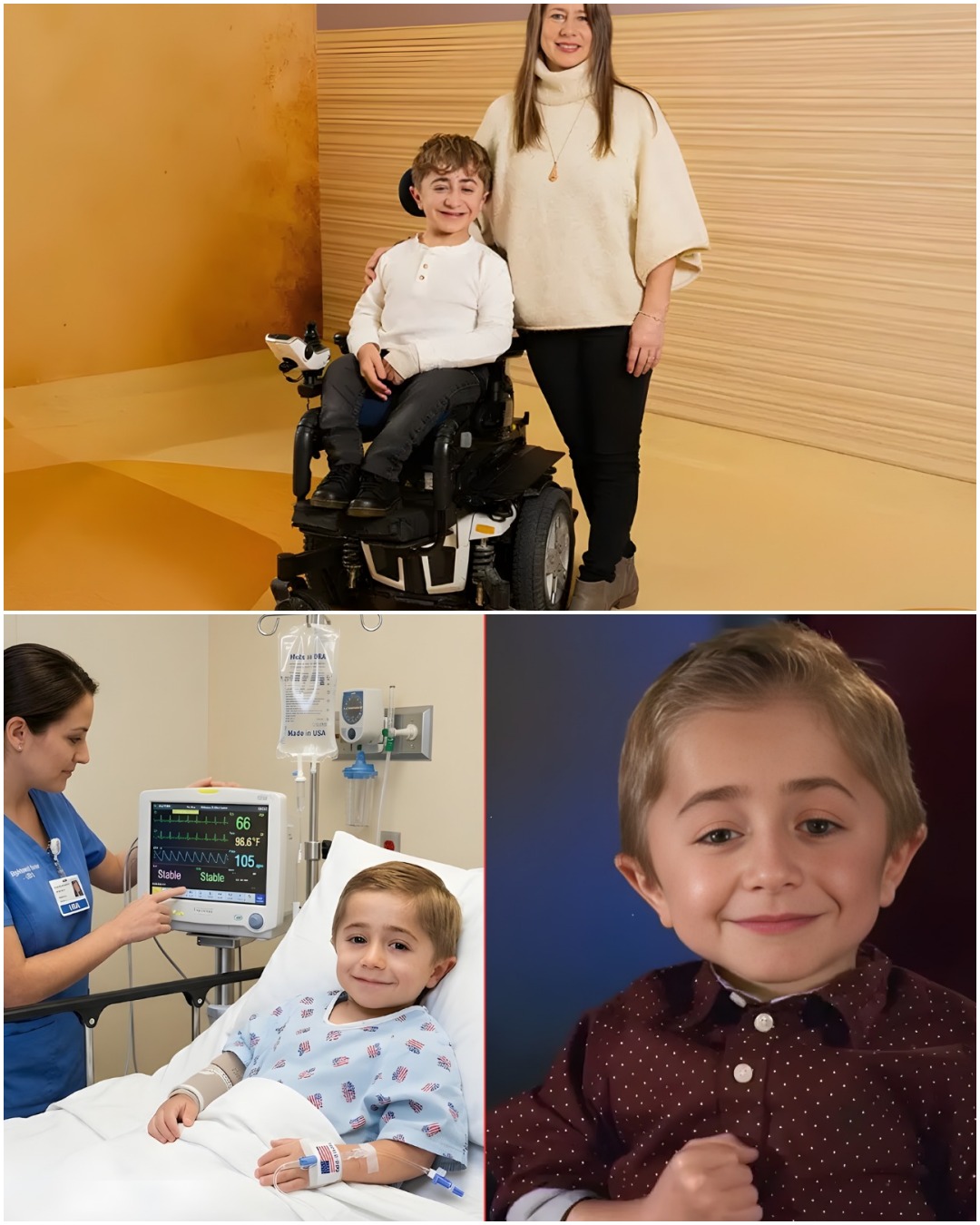
Kaleb had just arrived in Nashville, ready to begin preparations for an important rehearsal that had been planned for some time. The trip was meant to mark an exciting and productive moment in his schedule. However, what started as a normal arrival quickly turned into a deeply concerning medical situation that no one had anticipated.
According to updates shared by his family, Kaleb had only been in the city for a short period—roughly three hours—when everything suddenly changed. He reportedly began to feel unwell before losing consciousness, creating an alarming situation that required immediate action. His father, recognizing the urgency of the moment, quickly contacted emergency medical responders from their hotel.
Paramedics arrived promptly and transported Kaleb to a nearby hospital, where medical teams began working to stabilize him and understand the cause of his sudden condition. The situation unfolded rapidly, leaving little time for answers in those first critical moments.
After conducting initial tests and evaluations, doctors identified a serious buildup of fluid around Kaleb’s lungs. This condition can make breathing more difficult and requires careful monitoring and treatment. Medical professionals explained that such complications can develop for various reasons, and in Kaleb’s case, they suspect that recent air travel may have played a role.
Changes in cabin pressure during flights can sometimes place stress on the body, particularly for individuals who may already have underlying sensitivities. In Kaleb’s situation, doctors noted that his ribs were already in a fragile state, which may have made him more vulnerable to additional strain. While investigations are still ongoing, this combination of factors is currently being considered as a possible explanation for the sudden turn in his health.
Since his arrival at the hospital, Kaleb has remained under continuous medical supervision. Healthcare providers are closely monitoring his breathing, vital signs, and overall response to treatment. Specialized care teams are working together to ensure he receives the attention and support needed during this critical time.
His family has stayed close by, offering support and sharing updates with those who are concerned about his well-being. In their statements, they have expressed both worry and hope, acknowledging the seriousness of the situation while remaining optimistic about his recovery.
Doctors have made it clear that the next 48 hours will be especially important. This period will help determine how Kaleb’s body responds to treatment and whether his condition begins to improve. Medical teams are prepared to adjust their approach as needed, depending on how things progress.
As the situation continues to develop, many people are keeping Kaleb in their thoughts. Messages of encouragement and support have been coming in, reflecting the concern felt by those who have been following his journey.
For now, the focus remains on providing Kaleb with the best possible care and giving his body the time it needs to respond. His family has asked for continued patience and understanding as they wait for further updates from the medical team.
More information is expected to be shared in the coming days as doctors learn more about his condition and monitor his progress.