The Must-Have Kitchen Tool for Faster, Easier Herb Prep
Fresh herbs can completely transform your cooking. From brightening up salads to adding depth to sauces, they bring natural flavor, aroma, and color that dried herbs often can't match.
But prepping fresh herbs can feel like a chore. Washing, stripping leaves, and chopping everything by hand takes time and effort. That's where one simple kitchen gadget can make a big difference.
Meet the Herb Stripper
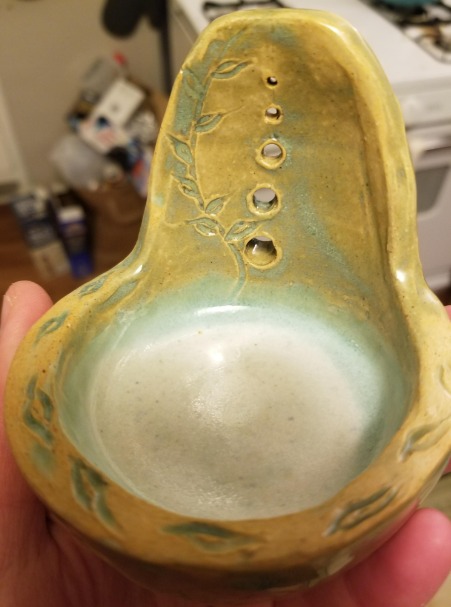
An herb stripper, also known as an herb remover, is designed to quickly separate leaves from stems. It usually features multiple hole sizes to fit different herbs like parsley, thyme, or rosemary. You simply insert the stem into the appropriate hole and pull it through, allowing the leaves to come off instantly while the stem is left behind. Some versions even include small blades for chopping or built-in containers to catch the leaves, making the process even more convenient.
The design is brilliantly simple. Different herbs have different stem thicknesses: rosemary and thyme are woody and thin, parsley and cilantro are softer and thicker. The graduated holes accommodate each one. One pull, and what used to take minutes of tedious pinching is done in seconds.
For anyone who enjoys cooking with fresh ingredients, this tool can be a real time-saver. Instead of avoiding recipes that require fresh herbs, it makes the process quicker and more enjoyable. It also helps reduce mess in the kitchen and delivers more consistent results, encouraging home cooks to experiment with new flavors.
Why Fresh Herbs Are Worth the Effort
If you've been cooking exclusively with dried herbs, you're missing a dimension of flavor. Drying concentrates some flavors but destroys the volatile aromatic compounds that make fresh herbs so vibrant. Fresh basil tastes nothing like dried basil. Fresh cilantro bears almost no resemblance to its dried form.
Fresh herbs contribute:
- Brightness. They lift heavy dishes and add freshness to rich foods.
- Aroma. Much of taste is smell, and fresh herbs deliver aromatic compounds dried versions have lost.
- Color. A shower of green parsley or basil makes any plate look more appetizing.
- Texture. Tender fresh leaves add a delicate mouthfeel dried flakes can't match.
- Nutrition. Fresh herbs retain more vitamins and antioxidants than dried.
The herb stripper removes the main barrier, the prep time, between you and all of these benefits.
Keeping Herbs Fresh: Storage Tips
Keeping herbs fresh is just as important as preparing them. Once you bring them home, it's best to wash and dry them right away. Here's how to maximize their life:
- Tender herbs (parsley, cilantro, basil, mint, dill): Trim the stems and stand them in a glass of water like flowers, loosely covered with a plastic bag, in the fridge. Basil prefers room temperature.
- Woody herbs (rosemary, thyme, oregano): Wrap in slightly damp paper towels and store in resealable bags in the fridge.
- Use within a few days. Fresh herbs are perishable. Plan meals around them soon after purchase.
- Don't wash until ready, or wash and dry thoroughly. Excess moisture accelerates decay. A salad spinner works well.
- Freeze for later. Chop herbs, pack into ice cube trays with olive oil or water, and freeze. Perfect for cooked dishes.
Using herbs within a few days ensures you get the best flavor. Wrapping them in paper towels and storing them in resealable bags in the fridge helps maintain freshness.
A Quick Guide to Common Cooking Herbs
Many herbs are commonly used in everyday cooking, each bringing its own unique taste.
- Basil is known for its sweet, slightly peppery flavor and is often used in pesto, pasta sauces, and salads. It's the soul of Italian summer cooking.
- Rosemary has a stronger, woody taste that works well with roasted meats and vegetables. A little goes a long way.
- Cilantro offers a bright, fresh flavor popular in many global cuisines, from Mexican to Thai to Indian. (A note for the genetically unlucky: if cilantro tastes like soap to you, that's a real genetic variation, not imagination.)
- Dill adds a light, tangy note that pairs well with seafood and yogurt-based dishes. Essential for pickles and Scandinavian cooking.
- Thyme is subtle and earthy, making it a great addition to soups and roasted dishes. It releases flavor slowly, so add it early.
- Mint is refreshing and versatile, often used in drinks, desserts, and even savory meals like Middle Eastern salads and lamb dishes.
- Parsley provides a mild, fresh taste and is frequently used as a garnish or mixed into salads. Flat-leaf has more flavor than curly.
- Oregano stands out with its bold flavor and is commonly used in sauces and Mediterranean-style dishes. Dried oregano is actually excellent, one of the few herbs that dries well.
Getting the Most From Your Herb Stripper
- Match the hole to the stem. Too big and leaves slip through; too small and you'll crush them.
- Pull from base to tip. Thread the stem through and pull steadily in one motion.
- Strip before chopping. Get all leaves off first, then chop the pile together.
- Save the stems. Woody stems from thyme and rosemary can flavor stocks and roasts. Tender parsley and cilantro stems are edible and flavorful, chop them finely.
- Clean promptly. Rinse the tool right after use so leaf residue doesn't dry in the holes.
Cooking With Fresh Herbs: Beyond Flavor
Cooking with fresh herbs is about more than just enhancing flavor. It adds color, aroma, and a sense of creativity to your meals. Using a simple tool like an herb stripper removes the hassle and makes the process smoother, allowing you to focus on enjoying the experience.
In a fast-paced world, taking the time to prepare fresh ingredients can be a small but meaningful way to slow down and enjoy cooking. There's something meditative about stripping thyme leaves, chopping basil, tearing mint. It connects you to your food in a way that tearing open a packet never will.
With the right tools and a little preparation, fresh herbs can easily become a regular and enjoyable part of your kitchen routine.
Frequently Asked Questions
What is an herb stripper?
A small kitchen tool with graduated holes that strips leaves from herb stems when you pull the stem through. Some versions include chopping blades or collection containers.
Which herbs work best with a stripper?
Parsley, cilantro, thyme, rosemary, oregano, dill, and mint all work well. Match the stem to the appropriately sized hole.
Are fresh herbs really better than dried?
For most herbs, yes. Fresh herbs contain volatile aromatic compounds lost in drying. Exceptions include oregano and thyme, which dry reasonably well.
How long do fresh herbs last?
Typically 5 to 7 days refrigerated with proper storage. Tender herbs last longer standing in water; woody herbs last longer wrapped in damp paper towels.
Can I freeze fresh herbs?
Yes. Chop and freeze in ice cube trays with water or olive oil. Best for herbs destined for cooked dishes rather than fresh garnish.