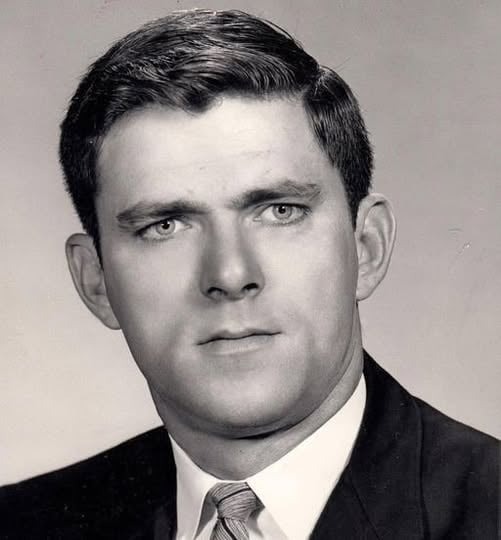
Talk Show Icon Leaves Lasting Impact with Quiet Farewell
In a moment that surprised many longtime viewers, legendary talk show host Phil Donahue passed away peacefully on August 18 at the age of 88. Surrounded by his loved ones, his departure was calm and private, far from the spotlight that once defined his groundbreaking career. For decades, Donahue was a familiar face in households across the country. Yet, unlike the large tributes often seen for public figures of his stature, his passing unfolded quietly.
A Subtle Goodbye That Sparked Big Questions
This has led many fans to reflect not only on his life, but also on how the media landscape has changed over time. Was this understated farewell a personal choice, or does it reflect a shift in how public figures are remembered today?
Both explanations likely contain truth. Donahue was, by many accounts, a man who valued substance over spectacle, and a quiet departure suits what people knew of him. At the same time, the media environment that once would have devoted days of coverage to his passing now moves faster, with attention fragmented across countless platforms. The combination produced a farewell that felt, to many longtime viewers, disproportionately modest for a man of his influence.
A Pioneer Who Transformed Daytime Television
When The Phil Donahue Show first aired in 1970, it introduced a fresh and engaging format that would influence generations of television programming. Rather than relying on scripted conversations, Donahue brought real people into the spotlight, encouraging open discussions on meaningful topics. From social issues to cultural debates, his show created a space where diverse voices could be heard.
This interactive approach helped shape the future of talk shows, paving the way for many well-known programs that followed. The studio audience was not decoration; it was a participant. Donahue famously roamed the aisles with his microphone, turning spectators into contributors. That simple staging choice redefined what a talk show could be.
What set Donahue apart was his genuine curiosity. He focused on thoughtful dialogue and meaningful exchange rather than sensationalism. In an era before the format hardened into its later, more confrontational versions, Donahue demonstrated that daytime television could be both popular and substantive.
The Topics He Tackled
Donahue's willingness to address difficult subjects distinguished his program from its contemporaries:
- Civil rights and social justice, giving airtime to voices mainstream television often ignored.
- Women's issues, including reproductive rights and workplace equality, at a time when daytime TV rarely touched them.
- Consumer protection and corporate accountability, with episodes that took on powerful interests.
- Religion and atheism, staging genuine debates rather than preaching to the converted.
- The human stories behind headlines, treating ordinary guests with the seriousness usually reserved for celebrities.
He did not always get it right, and later critics noted blind spots. But the ambition of the enterprise, using mass daytime television as a forum for democratic conversation, remains remarkable.
The Donahue Format's Enduring Influence
The DNA of Donahue's show runs through everything that followed:
- Audience participation became standard across the genre, from Oprah's intimate conversations to the raucous crowds of later imitators.
- Issue-driven episodes proved that daytime audiences would engage with substance, not just celebrity.
- The host as facilitator rather than star established a model where the guests' stories took center stage.
- Long-form conversation on television, now thriving in podcasting, owes a debt to Donahue's unhurried approach.
It is one of the ironies of television history that the genre Donahue created eventually evolved into forms he might not have recognized or endorsed. The confrontational talk shows of the 1990s borrowed his staging while abandoning his seriousness. But the lineage is undeniable.
Why the Quiet Farewell Fits
There is something fitting about Donahue's understated departure. His career was built on elevating other people's voices, on stepping aside with the microphone and letting the audience speak. A farewell centered on spectacle would have contradicted the ethos of a man who spent decades directing attention outward.
Moreover, the quiet passing reflects a broader cultural conversation about how we mourn public figures. The era of wall-to-wall televised tributes has given way to something more distributed: personal remembrances on social media, retrospective articles, conversations among those who remember. The mourning is no less real for being less centralized. If anything, it is more democratic, which Donahue, of all people, might have appreciated.
Lessons From a Broadcasting Life
- Curiosity is a career. Donahue's defining trait was genuine interest in other people, and it sustained him for decades.
- Format is a choice. He proved that the container shapes the conversation, and that reinventing the container can reinvent the discourse.
- Substance can succeed. In a medium often assumed to reward only spectacle, he built an audience on seriousness.
- Influence outlives attention. The quiet farewell does not diminish the loud impact. His innovations are embedded in media that most consumers never trace back to him.
- Exit gracefully. There is dignity in a private departure, a final editorial choice about what matters.
The Changing Nature of Public Mourning
Donahue's quiet farewell arrives at a moment when how we mourn public figures is itself in flux. The traditional model, network tributes, magazine covers, televised memorials, assumed a centralized media that could direct collective attention. That model has fragmented beyond recognition.
What replaced it is more personal and more uneven. Fans post their own remembrances, clips circulate without curation, and the collective ritual becomes thousands of individual ones. A figure like Donahue, whose career predated the internet, gets remembered through a medium he never worked in, by audiences discovering him through retrospectives rather than reruns.
There is loss in this fragmentation, but there is also something democratic about it. The people who choose to remember Donahue now do so actively, seeking out his story rather than receiving it. In a career built on giving ordinary people a microphone, being remembered by deliberate choice rather than programmed tribute feels, oddly, like the right ending.
Frequently Asked Questions
When did Phil Donahue pass away?
He passed away peacefully on August 18 at the age of 88, surrounded by his loved ones.
What made his talk show groundbreaking?
The Phil Donahue Show, which began in 1970, pioneered audience participation, tackled serious social issues in daytime television, and treated ordinary guests' stories with uncommon seriousness.
Why was his farewell so quiet?
The understated nature likely reflects both personal preference and changes in the media landscape, where attention is fragmented and public mourning has become more distributed and personal.
What is his lasting legacy?
He transformed the talk show format, proved daytime audiences would engage with substantive topics, and influenced generations of hosts and programs that followed.