
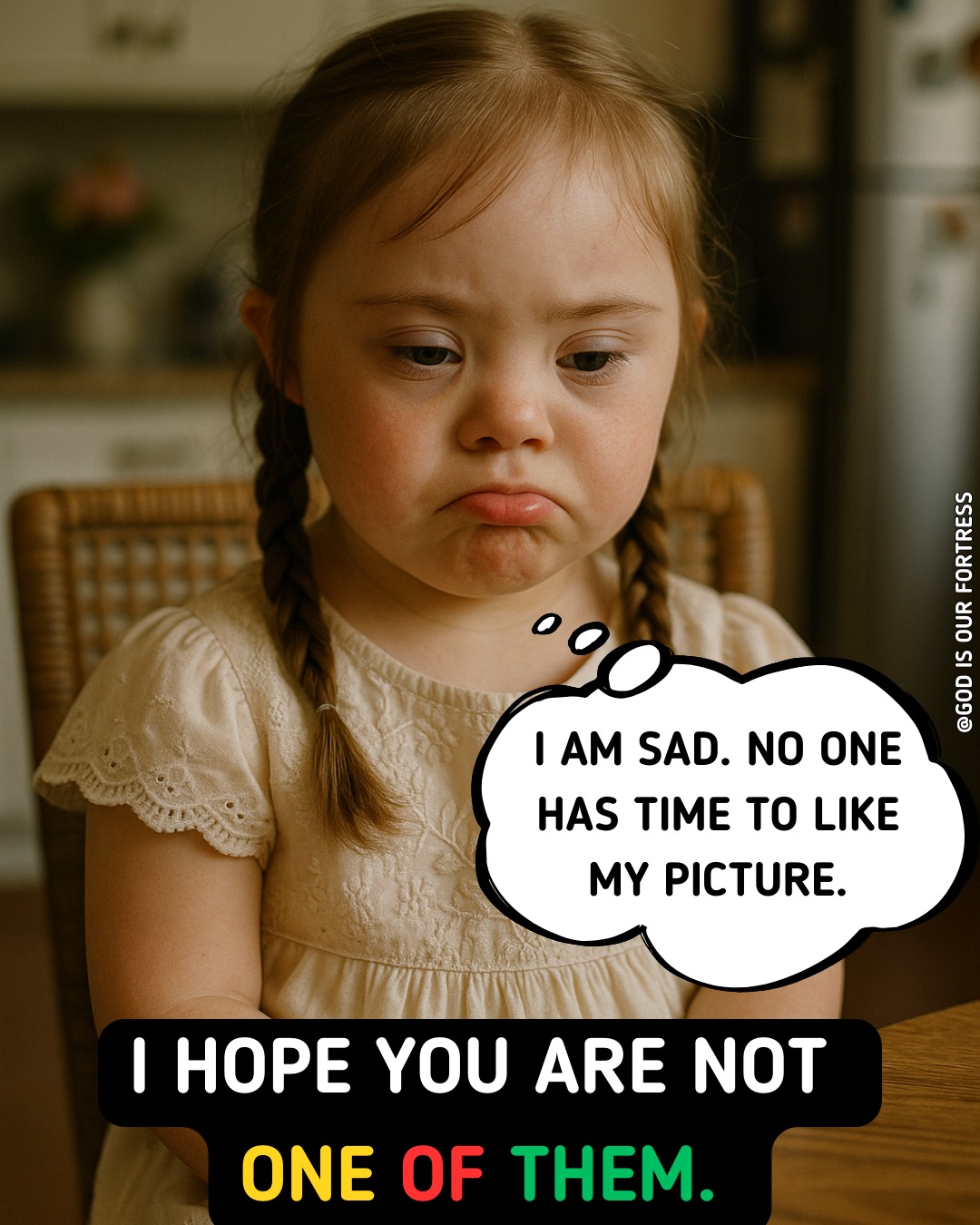
God Does Not Make Mistakes
God does not create by chance. Every life begins with meaning, intention, and care that reaches far beyond what the human eye can see. Yet, even today, children with Down syndrome are sometimes met with misunderstanding. Quiet comments, sideways glances, or unspoken assumptions can cut deeply, especially for parents who know the extraordinary love and strength these children bring into the world.
But the truth deserves to be spoken clearly. Down syndrome is not an accident. It is not a flaw. It is not a burden placed on a family. It is simply one expression of human diversity, beautiful, meaningful, and purposeful in its own way.
What Down Syndrome Really Is
Down syndrome is a genetic condition caused by the presence of an extra copy of chromosome 21. It occurs naturally in about 1 in every 700 births, across all races, ages, and economic backgrounds. It is not caused by anything parents did or didn't do.
People with Down syndrome share certain physical traits and typically experience some degree of intellectual disability, though the range of abilities is wide. With early intervention, inclusive education, and supportive communities, people with Down syndrome learn, work, form deep relationships, and contribute meaningfully to the world around them. Life expectancy has risen dramatically over recent decades, and quality of life continues to improve as inclusion advances.
But statistics, while useful, miss the point this article wants to make. Behind every data point is a person, and behind the condition is a truth about human worth that our performance-obsessed culture desperately needs to hear.
The Lessons They Teach
Children with Down syndrome often show us lessons many adults spend a lifetime trying to learn. They celebrate small moments with genuine excitement. They offer affection freely, without pretense or conditions. Their laughter is honest. Their emotions are real. And their ability to forgive and move forward can feel almost effortless.
There is something deeply grounding about their presence. They invite people to slow down, to be patient, to listen more closely, and to connect more sincerely. In a world obsessed with speed, productivity, and perfection, they remind us that worth is not measured by how fast we move or how much we achieve.
Look closely at these children, in their innocence, in their openness, in their joyful expressions, and you may notice something that feels almost like a mirror. They reflect back to us the qualities we've been too busy to cultivate: presence, warmth, unguarded joy.
Challenging the Culture of Perfection
Our society often treats human value as something to be earned through achievement, appearance, or productivity. This unspoken hierarchy wounds everyone, but it wounds people with disabilities most visibly, because they are so often judged against standards they never agreed to.
The message "God does not make mistakes" is a direct challenge to that hierarchy. It asserts that worth is inherent, not earned. That a child who may never read at grade level or hold a conventional job is no less a complete, purposeful human being than anyone else. That diversity in how minds and bodies work is not a defect in the design but part of it.
Parents of children with Down syndrome frequently describe the same journey: initial fear and grief, often fed by outdated medical prognoses and social stigma, giving way to a fierce, transformative love. Many say their child made them better people, more patient, more present, more aware of what actually matters. They didn't get the child they expected. They got the teacher they needed.
What Inclusion Really Requires
Affirming the worth of people with Down syndrome is beautiful, but it must be paired with practical commitment:
- Early intervention: Therapies and support in the early years make an enormous difference in development. Access should be universal, not a privilege.
- Inclusive education: Children with Down syndrome thrive when educated alongside their peers with appropriate support, and their classmates benefit too, learning empathy and diversity firsthand.
- Employment opportunities: Adults with Down syndrome can and do work successfully in many roles. Inclusive hiring isn't charity; it's recognition of capability.
- Healthcare equity: People with Down syndrome face specific health considerations and deserve thorough, respectful medical care, not assumptions about quality of life.
- Community belonging: Beyond services and programs, the deepest need is the simplest: to be welcomed, befriended, and included in the ordinary fabric of community life.
A Word to Parents Receiving a Diagnosis
If you've recently learned your child will have Down syndrome, you may be feeling fear, grief, or confusion. Those feelings are understandable, and you deserve support, not judgment, as you process them.
Know this: the outdated, bleak prognoses of the past do not reflect today's reality. Connect with other parents who have walked this road. Seek out the voices of adults with Down syndrome living full lives. Give yourself time. And when you hold your child for the first time, you'll begin to understand what thousands of families already know: this is not a mistake. This is a gift that will reshape your heart in ways you can't yet imagine.
Seeing With New Eyes
The next time you encounter a child with Down syndrome, resist the urge to look away or to offer pity. Instead, try to see what their parents see: a person of immeasurable worth, living proof that human value was never about perfection.
God does not make mistakes. Every life, in all its beautiful variety, arrives with purpose. Our job is not to question the design but to widen our hearts enough to receive it.
Frequently Asked Questions
What causes Down syndrome?
It is caused by an extra copy of chromosome 21, occurring randomly during cell division. It is not caused by parental actions and can occur in any pregnancy, though likelihood increases with maternal age.
Can people with Down syndrome live fulfilling lives?
Absolutely. With support and inclusion, people with Down syndrome learn, work, maintain friendships and relationships, participate in communities, and report high levels of life satisfaction.
What should I say to parents of a child with Down syndrome?
Congratulations, first and sincerely. Avoid pity or phrases like "I'm sorry." Treat their child as you would any child: with warmth, interest, and respect.
How can I support inclusion in my community?
Welcome people with disabilities into ordinary activities, support inclusive education and employment, challenge stigmatizing language when you hear it, and donate to or volunteer with organizations serving the Down syndrome community.
What is the life expectancy for people with Down syndrome?
It has risen dramatically, from about 25 years in the 1980s to around 60 years today in developed countries, thanks to improved medical care and social inclusion.


