When Mark told his wife, Laura, that he wanted a divorce, the conversation was brief and strangely unemotional. There were no raised voices, no dramatic explanations, and no visible signs of regret. He spoke calmly, almost mechanically, as if he were discussing a routine administrative task rather than the end of a ten-year marriage.
Laura was stunned. Just days earlier, they had been planning their upcoming anniversary and discussing home repairs. Nothing in Mark’s behavior had prepared her for such an abrupt decision. When she asked why, his answer was vague. He said he “needed a fresh start” and claimed the relationship had simply “run its course.”
At first, Laura tried to accept his explanation. Divorce, she reasoned, can happen even without obvious warning signs. But as the weeks passed and legal paperwork began moving forward, small details started to feel off.
Mark seemed unusually eager to finalize everything quickly. He insisted on minimal discussion, avoided questions about finances, and repeatedly pushed for a fast settlement. Laura, encouraged by friends and family, decided to review their shared accounts more closely before signing anything.
That’s when inconsistencies began to surface.
Financial records showed unexplained withdrawals, unfamiliar expenses, and transfers Laura had never authorized. There were also gaps in Mark’s work history that didn’t match the business trips he claimed required frequent travel. What initially appeared to be a straightforward separation was beginning to reveal deeper complications.
Laura consulted a legal professional, not out of revenge, but out of concern. She wanted clarity and fairness, especially after years of shared responsibilities and sacrifices. As the legal process continued, additional documentation was requested, and Mark was required to provide detailed disclosures under oath.
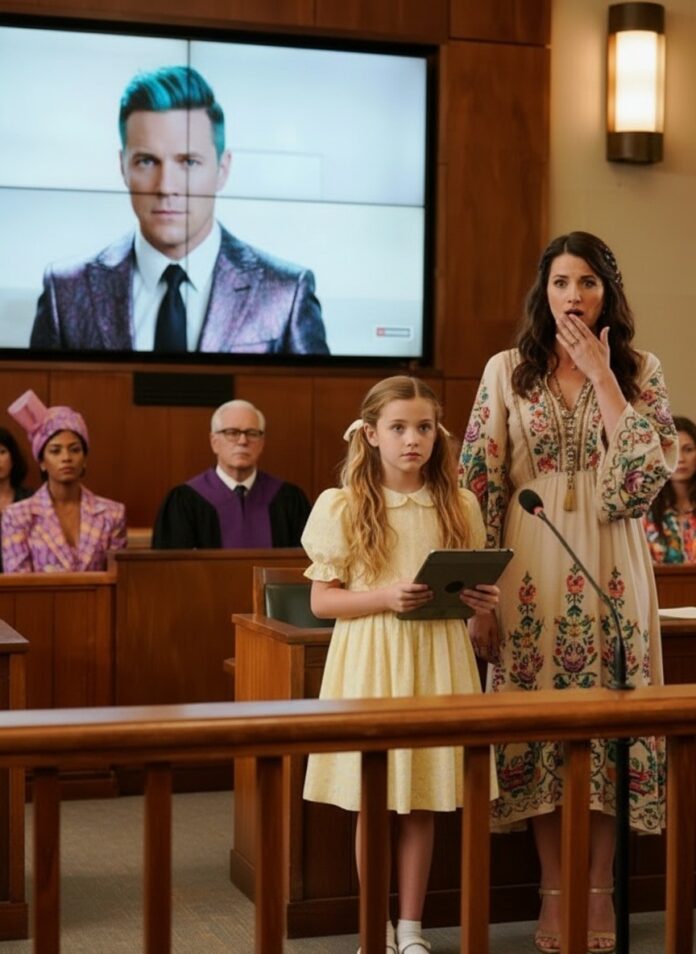
In court, the truth became harder to avoid.
Evidence presented during proceedings suggested that Mark had been preparing for the divorce long before he announced it. Financial decisions had been made quietly, and important information had been withheld. What he hoped would be a simple, low-conflict divorce became a much more thorough examination of actions taken behind the scenes.
The courtroom shifted the balance. Transparency replaced assumptions, and facts replaced vague explanations. Laura finally received answers—not all of them easy to hear, but necessary for closure and fairness.
In the end, the divorce was finalized with revised terms that reflected the full picture. For Laura, the experience was painful but empowering. She learned that asking questions and seeking proper guidance can make a critical difference, especially when something doesn’t feel right.
This story serves as a reminder that major life decisions should never be rushed or minimized. Even when someone treats a divorce like routine paperwork, the truth has a way of emerging—sometimes in places no one initially expects.