
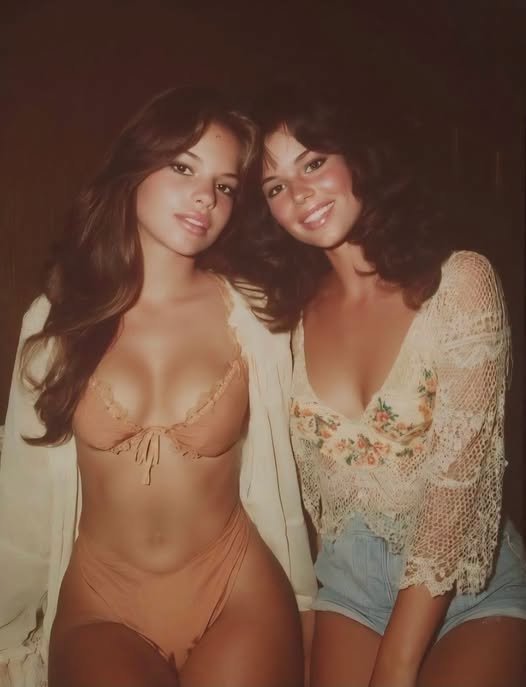
How Fashion Has Evolved Over the Last 100 Years
Fashion has experienced remarkable changes over the past century, reflecting shifts in culture, technology, lifestyles, and personal expression. From the elegant and structured clothing of the early 1900s to today's focus on comfort and individuality, each decade has contributed unique styles that continue to influence modern fashion.
Clothing is never just clothing. It's a record of who we were, what we valued, and how we saw ourselves. Let's walk through a century of style, decade by decade.
The Early Years: Elegance and Formality
In the early 20th century, clothing often reflected social status and tradition. Men typically wore tailored suits, hats, and formal attire, while women favored long dresses, gloves, and carefully designed accessories. Fashion emphasized sophistication and attention to detail.
Getting dressed was a ritual. A respectable person wouldn't dream of leaving the house without being properly attired, and "properly" meant formally. Clothing signaled your place in society, and the rules were clear and strictly followed.
The 1920s and 1930s: New Ideas and Changing Styles
The 1920s introduced more relaxed and practical clothing, and the change was revolutionary. After the First World War, social norms loosened dramatically. Women's fashion became lighter and more comfortable, featuring shorter hemlines and simpler silhouettes. The flapper dress, with its dropped waist and knee-length hem, scandalized traditionalists and liberated a generation.
Coco Chanel championed simplicity and comfort, introducing jersey fabrics and the little black dress. Men embraced more casual sportswear influences. Fashion was beginning its long shift from formal obligation to personal choice.
The 1930s continued to refine these styles while maintaining elegance and classic design. Hollywood's golden age brought glamour to the masses: bias-cut gowns, sharp suits, and the influence of screen stars shaped what ordinary people aspired to wear, even during the hardships of the Great Depression.
The 1940s and 1950s: Practicality Meets Style
During the 1940s, clothing designs were influenced by changing social conditions and the need for practicality. Wartime fabric rationing led to simpler designs, shorter skirts, and minimal embellishment. Women entered factories in trousers and headscarves, a practical shift that permanently changed attitudes about women's clothing.
By the 1950s, fashion embraced colorful fabrics, tailored dresses, and polished looks that became iconic representations of the era. Christian Dior's "New Look" celebrated femininity with full skirts and nipped waists. Teenagers emerged as a distinct fashion force, with poodle skirts, leather jackets, and denim signaling youth rebellion. Suburbia, prosperity, and conformity shaped a polished, aspirational style.
The 1960s and 1970s: Creativity and Self-Expression
Fashion became increasingly experimental during the 1960s and 1970s. The 1960s brought miniskirts, bold geometric prints, and the mod look from London, while the hippie movement embraced flowing fabrics, ethnic influences, and handmade details. Youth culture, not high society, now drove fashion forward.
The 1970s amplified everything: bright colors, unique patterns, denim in every form, oversized accessories, and casual clothing gained popularity. Disco brought glitter and glamour; punk brought ripped fabric and safety pins as a deliberate anti-fashion statement. These decades encouraged individuality and personal style choices, establishing the idea that what you wear says who you are.
The 1980s and 1990s: Bold Trends and Casual Wear
The 1980s introduced vibrant colors, larger silhouettes, and eye-catching designs. Power dressing with shoulder pads reflected women's growing presence in corporate life. Hip-hop culture brought streetwear into the mainstream. Fitness culture made athletic wear fashionable outside the gym. More was more: bigger hair, bolder colors, louder statements.
In the 1990s, fashion shifted toward more relaxed and casual clothing. Grunge brought flannel and ripped jeans; minimalism offered clean lines and neutral tones; hip-hop style went mainstream with baggy silhouettes and luxury logos. Denim, layered outfits, and minimalist styles appealed to younger generations tired of 80s excess. The decade proved that fashion could be both a rejection of trends and a trend itself.
Fashion in the 2000s and Beyond
Modern fashion emphasizes versatility, comfort, and personal expression. The 2000s saw fast fashion explode, making trends accessible to everyone at unprecedented speed and low prices. Celebrity culture and reality TV shaped tastes, while the internet began democratizing fashion influence.
Today, people have access to a wide variety of styles, allowing them to combine classic influences with contemporary trends. Vintage and thrift shopping have gone mainstream. Athleisure dominates everyday wear. Work-from-home culture has further relaxed dress codes.
Sustainability, functionality, and individuality have also become important considerations in clothing choices. Consumers increasingly ask where clothes come from, who made them, and what happens when they're discarded. The fashion industry, long criticized for waste, is slowly reckoning with its environmental impact.
Looking Back at a Century of Style
Fashion continues to evolve as society changes. While certain trends remain associated with specific decades, many classic elements return in modern designs: the silhouettes of the 1950s, the minimalism of the 1990s, the boldness of the 1980s all cycle back in new forms.
Exploring the past 100 years of fashion offers valuable insight into how clothing reflects culture, creativity, and personal identity. Each era's styles tell us what people valued, what they rebelled against, and how they wanted to be seen.
As new trends emerge, fashion remains a powerful form of self-expression that connects generations while constantly adapting to modern lifestyles. The only constant in fashion is change itself, and that's exactly what makes it so fascinating.
Frequently Asked Questions
How did fashion change in the 1920s?
The 1920s brought dramatically more relaxed clothing, especially for women: shorter hemlines, simpler silhouettes, and lighter fabrics. Designers like Coco Chanel championed comfort and simplicity, reflecting post-war social liberation.
What defined 1950s fashion?
Polished, aspirational style: Dior's feminine "New Look" with full skirts, tailored dresses, colorful fabrics, and the emergence of teenager-driven trends like poodle skirts and denim.
How did the 1960s and 1970s change fashion?
They made fashion experimental and youth-driven. Miniskirts, bold prints, hippie influences, disco glamour, and punk anti-fashion all encouraged individuality and self-expression over conformity.
What characterized 1980s and 1990s style?
The 1980s were bold and maximalist: vibrant colors, big silhouettes, power dressing, and streetwear influences. The 1990s reacted with casual minimalism: grunge, relaxed denim, layered outfits, and understated styles.
What matters in fashion today?
Versatility, comfort, personal expression, and increasingly sustainability. Modern consumers mix vintage and contemporary pieces, prioritize functionality, and consider the environmental and ethical impact of their clothing choices.


