Hundreds Displaced After Major Fire in Lima Community
An ordinary Saturday in the San Juan de Miraflores district of Lima quickly turned into a challenging situation as a large fire spread through the Pamplona Alta area. The incident moved rapidly across the neighborhood, affecting many homes and forcing residents to evacuate. Within hours, hundreds of people found themselves displaced, their lives upended by a disaster that arrived without warning.
A Community Impacted in Just Hours
Early reports suggest that numerous structures were damaged, though officials are still assessing the full extent. In communities where homes are built close together, fires can spread more easily, especially when construction materials vary. Wood, corrugated metal, and other lightweight materials common in informal housing ignite quickly and carry flames from structure to structure with terrifying speed.
As a result, many families had to leave their homes with little time to gather personal belongings. Evacuations in these circumstances are chaotic: parents grabbing children, neighbors shouting warnings, everyone moving uphill or toward open ground while smoke thickens behind them. For many residents, what they carried in their hands was all they saved.
Challenges During Emergency Response
Firefighters responding to the scene faced several obstacles. Narrow pathways, uneven terrain, and densely built housing made it difficult for emergency teams to access certain areas quickly. Fire trucks designed for wide city streets cannot navigate the steep, winding passages of hillside settlements. Crews often have to extend hoses over long distances on foot, losing precious time and water pressure.
Despite these challenges, crews worked to contain the fire and prevent further spread. Firefighting in these environments demands improvisation: coordinating multiple hose lines, protecting exposures, and evacuating residents simultaneously. Authorities noted that these environmental factors did not necessarily cause the incident but contributed to how quickly it developed.
Common challenges in such responses include:
- Narrow alleys that block fire truck access
- Steep, uneven terrain that exhausts crews and slows equipment movement
- Closely packed homes that allow fire to jump easily between structures
- Limited water supply points in hillside areas
- The need to evacuate residents while simultaneously fighting the fire
Investigation Into Possible Causes
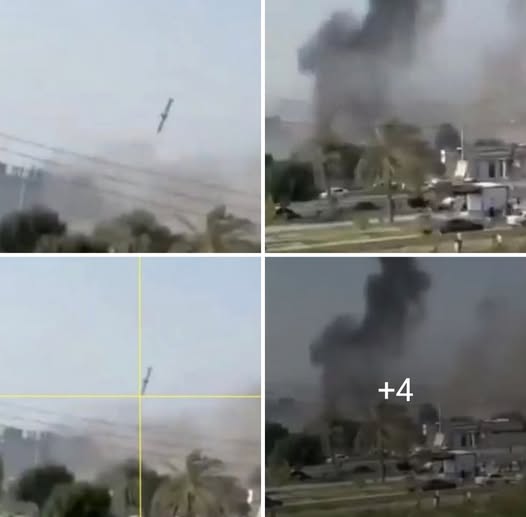
Officials are currently investigating the origin of the fire. One possibility being examined is whether unauthorized storage or use of pyrotechnic materials may have played a role. Some local footage appears to show small explosions during the incident, but this has not yet been confirmed.
Investigators are continuing to review all available evidence before reaching any conclusions. Determining a fire’s origin in a densely built area is painstaking work: evidence is often destroyed by the fire itself, witnesses may have fled, and multiple potential ignition sources must be ruled out systematically.
It is important to treat unconfirmed reports with caution. Until investigators complete their work, the cause remains undetermined, and speculation can unfairly harm already suffering communities.
Support for Affected Residents
As the situation comes under control, attention has shifted to helping those impacted. Many residents have been temporarily displaced and are gathering in nearby safe areas. Local organizations and authorities are working to provide shelter, food, water, and essential supplies.
For many families, important items such as identification documents, medications, and personal belongings were left behind during the evacuation. Replacing documents is a slow bureaucratic process that complicates everything from accessing aid to enrolling children in school. Medications for chronic conditions like diabetes or hypertension cannot wait, making medical outreach one of the most urgent needs.
Relief efforts in the aftermath typically focus on:
- Emergency shelter in schools, community centers, or temporary camps
- Food, clean water, and hygiene supplies
- Medical care, including replacement medications
- Help replacing lost identification documents
- Psychological support for trauma, especially for children
- Coordination of donations from the wider Lima community
A Reminder of Community Safety Needs
This incident highlights the importance of safety awareness in densely populated areas. Limited infrastructure and informal construction can increase risks, particularly when potentially hazardous materials are stored or used in residential spaces.
Pamplona Alta, like many hillside settlements around Lima, grew through informal development, with families building homes incrementally over years. These communities are vibrant and resilient, but they face structural vulnerabilities: limited road access, inconsistent water infrastructure, and construction that predates modern safety codes.
Addressing these risks requires long term investment:
- Improved road access for emergency vehicles
- Community fire prevention education
- Safe storage regulations for hazardous materials
- Better water infrastructure in hillside zones
- Support for safer building materials and practices
Moving Forward
For the people of Pamplona Alta, the focus is now on recovery and rebuilding. This will not be quick. Rebuilding homes takes months or years. Replacing documents takes patience. Healing from trauma takes longer still.
But these communities have deep reserves of mutual support. Neighbors who evacuated together will rebuild together. Local organizations that responded in the first hours will remain for the long haul. Community support and coordinated assistance will play an important role in helping residents move forward.
In the days ahead, efforts will continue to ensure that those affected receive the help they need and that similar risks can be reduced in the future. The fire lasted hours. The recovery will take far longer. But the people of Pamplona Alta have already shown, in how they faced that Saturday, the resilience that will carry them through.
Frequently Asked Questions
Where did the fire occur?
In the Pamplona Alta area of the San Juan de Miraflores district in Lima, Peru, on an ordinary Saturday that turned disastrous within hours.
How many people were affected?
Hundreds of residents were displaced, with numerous homes damaged. Officials were still assessing the full extent in early reports.
Why did the fire spread so quickly?
Densely packed homes, varied and often flammable construction materials, narrow pathways, and uneven terrain all contributed to rapid spread and hampered emergency access.
What caused the fire?
The cause is under investigation. Officials are examining whether unauthorized pyrotechnic materials may have played a role, based on local footage appearing to show small explosions, but this has not been confirmed.
How are displaced residents being helped?
Local organizations and authorities are providing emergency shelter, food, water, essential supplies, and medical assistance, with ongoing efforts to help families replace lost documents and rebuild.