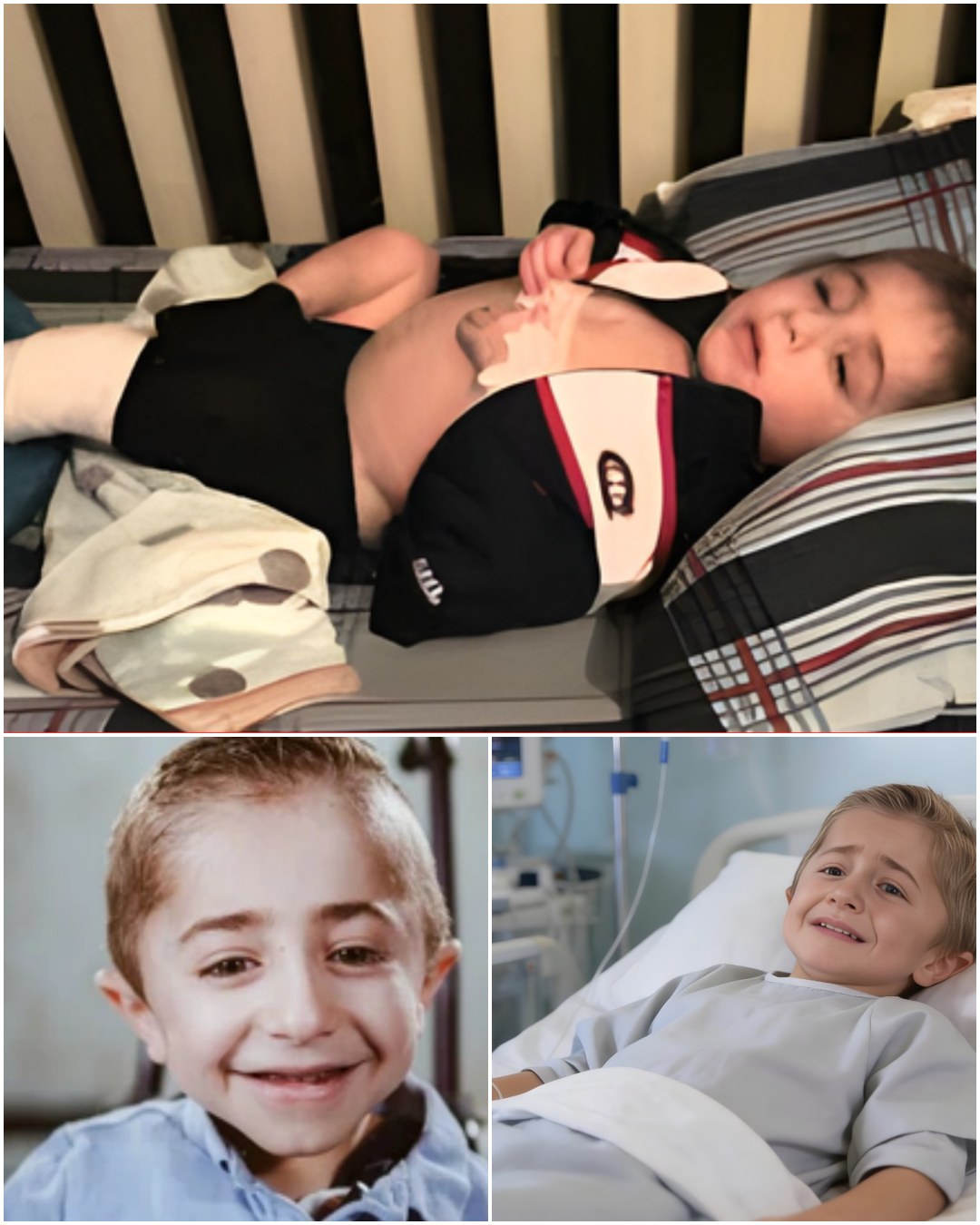
Kaleb Wolf is currently dealing with an unexpected development in his recovery following a recent spinal procedure. What was initially expected to be a routine follow-up appointment has turned into a moment of careful evaluation, as doctors work to better understand new symptoms that have emerged in recent days.
According to his medical team, recent imaging results have indicated that Kaleb’s body may not be responding as anticipated to the implants placed in his spine during surgery last month. These implants were intended to stabilize his spine and support the healing process, forming a key part of his treatment plan.
A Promising Start to Recovery
In the early stages after surgery, Kaleb’s progress appeared encouraging. Surgeons confirmed that the implants were properly positioned, and initial signs suggested that his body was adapting well. During this period, there was optimism that his recovery would continue steadily, with gradual improvements in comfort and mobility.
His early progress provided reassurance to both his family and healthcare providers, especially given the complexity of the procedure. At the time, there were no immediate signs of complications, and his condition seemed to be moving in a positive direction.
Changes in Symptoms Raise Concerns
Over the past several days, however, Kaleb began experiencing increased discomfort that went beyond typical post-surgical expectations. Doctors observed that his symptoms were intensifying, including heightened sensitivity and difficulty with movement.
Activities that had previously become easier during recovery started to feel more challenging again. This change prompted his medical team to conduct further evaluations to identify the underlying cause.
While some variation in recovery is normal, the persistence and intensity of these symptoms led doctors to take a closer look through additional imaging and clinical assessments.
Understanding Possible Implant Reactions
Medical experts explain that, in rare cases, the body’s immune system may respond to implanted materials as though they are foreign objects. When this happens, it can trigger inflammation or other reactions that may interfere with the healing process.
In Kaleb’s case, doctors believe his body may be showing early signs of this type of response. Common indicators can include swelling, discomfort, and changes in how the surrounding tissue interacts with the implant.
Although such reactions are uncommon, they are recognized in medical practice, particularly in procedures involving metal or synthetic components. Early identification is essential, as it allows healthcare providers to adjust treatment strategies and reduce the risk of further complications.
Ongoing Monitoring and Care
Kaleb remains under close medical supervision as his healthcare team continues to evaluate his condition. Specialists are carefully reviewing his symptoms, imaging results, and overall progress to determine the most appropriate next steps.
At this stage, the focus is on managing his discomfort while gaining a clearer understanding of how his body is responding. Doctors may consider a range of options depending on how his condition evolves, including adjustments to his current treatment plan.
The goal is to support his recovery while ensuring that any potential risks are addressed promptly and effectively.
The Importance of Follow-Up Care
Kaleb’s situation highlights the importance of regular follow-up care after surgical procedures. Monitoring recovery over time allows medical teams to identify any unexpected developments early and respond accordingly.
Healthcare providers emphasize that recovery can vary from one individual to another, especially after complex procedures. While setbacks can occur, timely medical attention often plays a key role in guiding patients back on track.
Support From Family and Care Team
Throughout this process, Kaleb continues to receive support from both his family and medical team. Their focus remains on ensuring his comfort and well-being while working through this challenging phase of recovery.
Family support can be an important factor during recovery, providing emotional encouragement as patients navigate physical challenges. At the same time, coordinated medical care ensures that each aspect of the situation is carefully addressed.
Looking Ahead
Although this development represents a setback, early detection offers an opportunity for doctors to take proactive steps. By closely monitoring his condition and adjusting his care as needed, his medical team is working toward stabilizing his recovery.
While it is too early to determine the full outcome, the current priority is to ensure that Kaleb receives the attention and care necessary to move forward safely.
As evaluations continue, his care team remains focused on finding the best possible approach to support his health and recovery in the days ahead.