
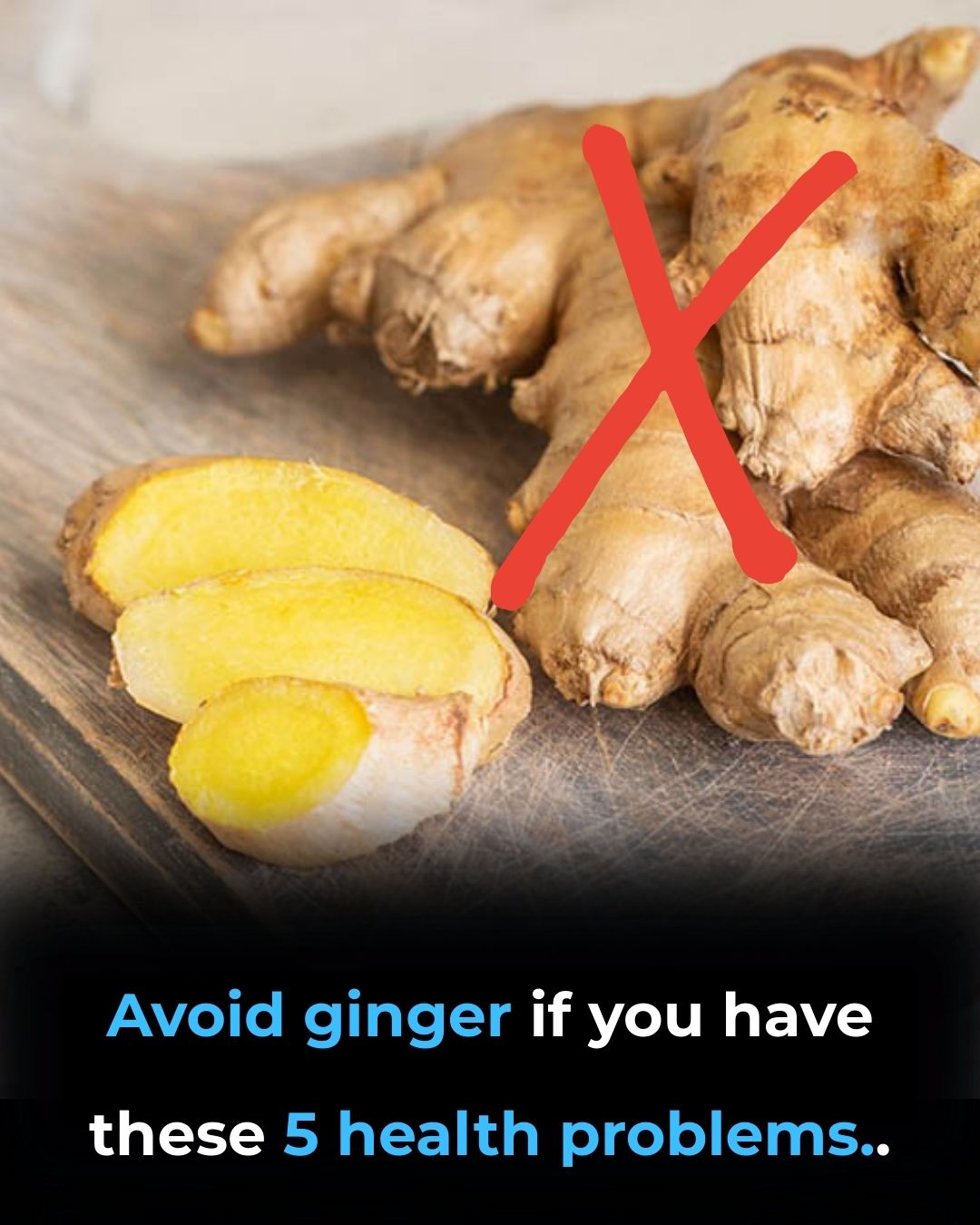
When Ginger May Not Be for You: 5 Situations to Limit or Avoid Ginger
Ginger is widely known for its natural anti-inflammatory and digestive benefits. Many people use it to ease nausea, support immunity, and relieve minor aches. For most individuals, ginger is safe when consumed in moderate amounts.
However, in some cases, ginger may not be the best choice. Certain health conditions or medications can interact with its active compounds, leading to unwanted side effects. Here are five situations where you may want to limit or avoid ginger, along with safer alternatives to consider.
1. People With Bleeding Disorders or Taking Blood Thinners
Ginger may naturally reduce blood clotting. While this can support circulation, it may increase the risk of bleeding for individuals with bleeding disorders or those taking medications like anticoagulants.
What to consider instead: Using small amounts of turmeric or increasing intake of vitamin K-rich foods such as leafy greens may help support overall balance. Always speak with a healthcare professional before adding herbal products if you are on medication.
This is the most clinically significant interaction on this list. Ginger's antiplatelet effects are mild in culinary amounts but can become relevant at supplement doses, especially combined with prescription blood thinners. If you take warfarin, apixaban, or similar medications, discuss any ginger supplements with your doctor or pharmacist, and be sure to mention ginger use before any surgery.
2. People Managing Diabetes
Ginger can influence blood sugar levels by improving insulin sensitivity. While this may sound beneficial, it can sometimes lead to blood sugar dropping too low, especially for those already using glucose-lowering medications.
What to consider instead: Gentler options like green tea or cinnamon tea may help support balanced blood sugar levels. Maintaining regular meals with fiber, protein, and whole grains is also important.
The concern here is additive effect: ginger plus diabetes medication can push blood sugar lower than intended, causing hypoglycemia symptoms like shakiness, sweating, confusion, or dizziness. If you enjoy ginger tea regularly and take glucose-lowering drugs, monitor your levels and mention the habit to your healthcare provider.
3. People With Heart Conditions or Taking Heart Medication
In moderate amounts, ginger may support circulation. However, higher intake could interact with certain heart medications or affect heart rhythm and blood pressure in some individuals.
What to consider instead: Heart-friendly choices include foods rich in omega-3 fatty acids, such as fish, nuts, and seeds, along with a balanced diet full of fruits and vegetables. Medical advice is recommended before using herbal remedies.
Ginger can mildly lower blood pressure, which is generally positive, but combined with blood pressure medications it could theoretically lower it too much. People with arrhythmias should also be cautious with concentrated ginger supplements. Culinary amounts in food are rarely an issue; the concern centers on high-dose supplements and extracts.
4. Pregnant Women
Ginger is often recommended for morning sickness, and moderate culinary use is generally considered acceptable during pregnancy. However, higher doses deserve caution.
What to consider: Most guidelines suggest keeping ginger intake moderate during pregnancy (food amounts and mild teas are typically fine). Concentrated supplements and large medicinal doses should be discussed with an obstetrician or midwife, especially in the third trimester, due to ginger's mild blood-thinning properties and limited high-dose safety data.
If you're pregnant and considering ginger capsules or extracts for nausea, check with your provider first. They can confirm appropriate amounts for your situation.
5. People With Gallstones or Gallbladder Issues
Ginger stimulates bile production, which is normally a healthy digestive function. But for people with gallstones or gallbladder disease, increased bile flow can trigger painful gallbladder contractions or complications.
What to consider instead: Gentle digestive supports like peppermint tea (if tolerated), chamomile tea, or simply eating smaller, lower-fat meals may be easier on the gallbladder. Anyone with diagnosed gallbladder conditions should check with their doctor before using ginger medicinally.
This interaction is less widely known but worth taking seriously. If you have a history of gallstones, treat ginger supplements with the same caution you'd apply to any substance affecting digestion.
How Much Ginger Is "Moderate"?
Context matters enormously. There's a big difference between:
- Culinary use: Ginger in cooking, a cup or two of ginger tea daily. This level is safe for the vast majority of people, including most in the groups above (with the noted exceptions).
- Supplement use: Capsules, extracts, and concentrated powders delivering much higher doses of ginger's active compounds (gingerols and shogaols). This is where interactions become clinically relevant.
Most concerns in this article apply primarily to supplement-level doses or very high culinary intake. A slice of ginger in your stir-fry is not the same as a 1,000 mg capsule.
General Guidelines for Safe Ginger Use
- Start with food, not pills. Culinary ginger has centuries of safe use behind it.
- Tell your doctor about supplements. Herbal products can interact with prescriptions; your provider needs the full picture.
- Be extra cautious before surgery. Due to mild blood-thinning effects, many surgeons advise pausing ginger supplements before procedures.
- Watch for side effects. Even natural products can cause heartburn, mouth irritation, or digestive upset at high doses.
- Buy from reputable sources. Supplement quality varies widely; look for third-party tested products.
The Takeaway
Ginger is one of nature's most useful and well-loved remedies, and for most people it's perfectly safe. But "natural" doesn't automatically mean "risk-free for everyone." If you have a bleeding disorder, diabetes, heart condition, gallbladder issues, or are pregnant, a quick conversation with your healthcare provider ensures you get ginger's benefits without unwanted surprises.
Frequently Asked Questions
Can I drink ginger tea while taking blood thinners?
An occasional cup of mild ginger tea is generally low-risk, but regular consumption or ginger supplements should be discussed with your doctor, as ginger can enhance blood-thinning effects.
Is ginger safe during pregnancy?
Moderate culinary amounts and mild ginger tea are generally considered acceptable, and ginger is commonly used for morning sickness. High-dose supplements should be discussed with your obstetrician or midwife.
How much ginger is too much?
Culinary amounts are safe for most people. Concerns arise mainly with concentrated supplements or very high daily intake. As a rough guide, supplement doses above 4 grams daily are where most cautions apply.
Does ginger interact with diabetes medication?
It can. Ginger may lower blood sugar, which combined with glucose-lowering drugs could cause hypoglycemia. Monitor your levels and inform your healthcare provider.
Should I stop taking ginger before surgery?
Many surgeons recommend pausing ginger supplements (and other blood-thinning herbals) one to two weeks before surgery. Always follow your surgical team's specific instructions.
*Note: This article is for informational purposes only and is not medical advice. Consult a qualified healthcare professional about your specific situation.*

