
When Skin Reactions and Breathing Problems Occur Together: What You Should Know
Skin issues like redness, itching, or bumps are often seen as minor and temporary. Many people expect them to fade without treatment. However, when these symptoms appear alongside breathing difficulties, the situation may be far more serious and should not be ignored. In some cases, this combination can signal a severe allergic reaction known as anaphylaxis, a condition that requires immediate medical attention.
This guide explains what to look for, why the combination is dangerous, and exactly what to do if it happens.
Understanding the Skin Symptoms
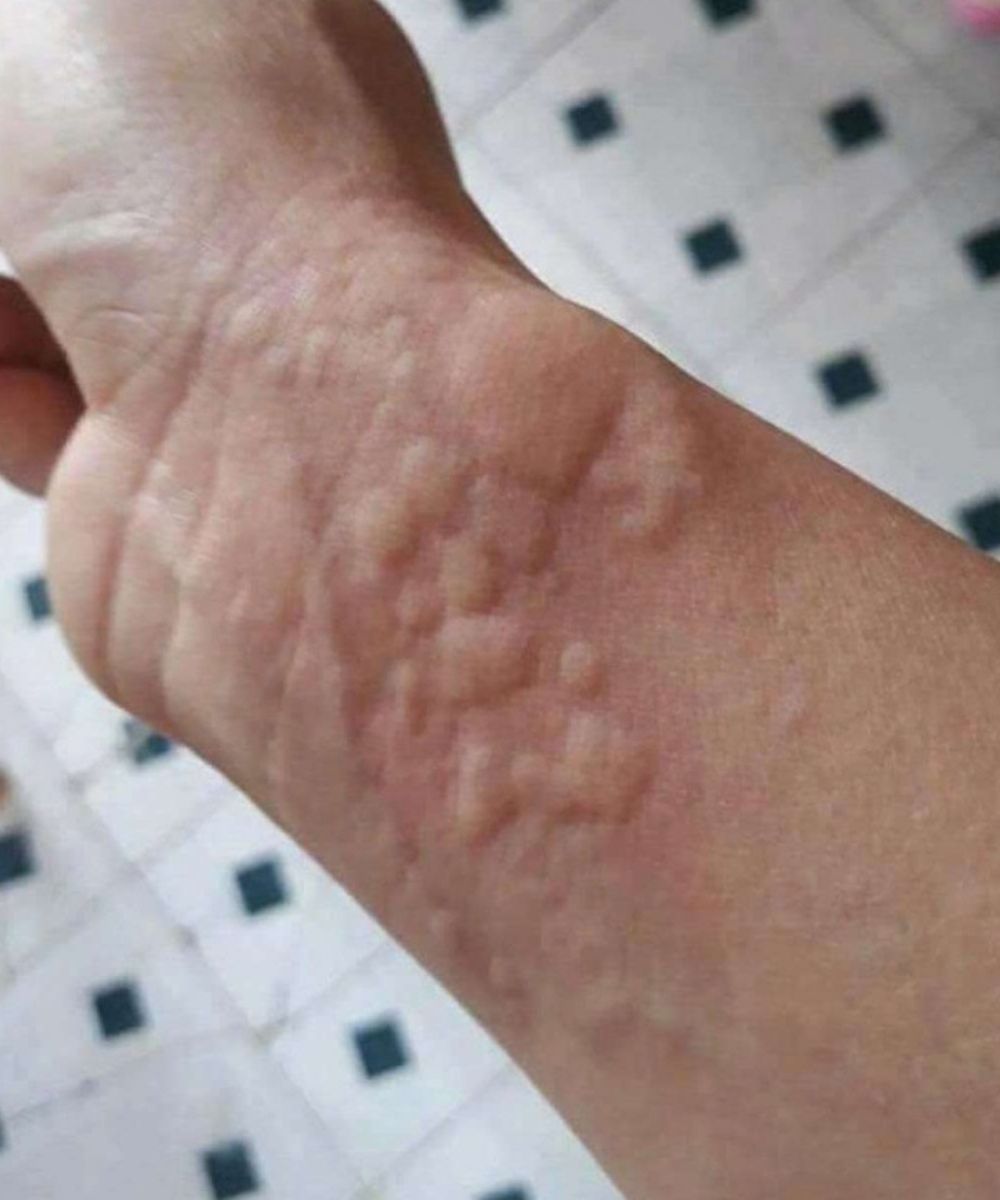
Raised, red patches on the skin, commonly called hives, can appear suddenly and spread quickly. They are usually swollen, uneven in shape, red or pink in color, and often itchy or accompanied by a burning sensation.
Hives alone may not always be dangerous. They can result from mild allergies, stress, heat, pressure on the skin, or even unknown triggers, and they often fade on their own. But their presence along with other symptoms can indicate a more serious reaction occurring inside the body. The key distinction is whether symptoms are confined to the skin or are spreading to other systems, especially breathing and circulation.
Why Breathing Difficulty Changes Everything
Breathing difficulty is one of the most important warning signs. When it occurs with a skin reaction, urgent action is needed. Signs to watch for include:
- Shortness of breath or rapid, shallow breathing
- Wheezing or a whistling sound when breathing
- Tightness in the throat or chest
- Swelling of the lips, face, or tongue
- A rapid or weak heartbeat
- Dizziness, confusion, or fainting
- A sense of doom or sudden anxiety
These symptoms together may point to a severe allergic response that can escalate quickly. During anaphylaxis, the body releases a flood of chemicals that cause airways to narrow and blood pressure to drop. The throat can swell shut, and circulation can fail. Without prompt treatment, severe allergic reactions can lead to serious complications such as airway blockage, shock, or loss of consciousness.
This is why the combination matters so much. Skin symptoms alone are usually manageable. Breathing symptoms alone warrant attention. Together, they are a medical emergency until proven otherwise.
Common Triggers of Severe Allergic Reactions
Serious allergic reactions can be triggered by a variety of factors. The most common causes include:
- Foods: Peanuts, tree nuts, shellfish, fish, eggs, milk, soy, wheat, and sesame are frequent culprits. Even tiny amounts can trigger a reaction in sensitive individuals.
- Medications: Antibiotics, pain relievers, and anesthesia drugs are among the most common medication triggers.
- Insect stings: Bees, wasps, hornets, and fire ants can cause severe reactions in allergic people.
- Latex: Found in gloves, balloons, and some medical supplies.
- Exercise or cold exposure: Less commonly, physical exertion or sudden cold can trigger reactions in susceptible people.
In some cases, people are aware of their allergies, but sometimes these reactions happen unexpectedly, even to a food someone has eaten many times before. A first-time severe reaction is frightening precisely because there was no warning.
What to Do Immediately
Acting quickly is crucial. It can be easy to assume a rash is harmless or temporary, but once breathing becomes affected, the condition can worsen rapidly. If someone experiences both hives and breathing difficulty, take these steps:
- Call emergency services immediately. Do not wait to see if symptoms improve on their own.
- Use an epinephrine auto-injector if available, following its instructions. Epinephrine is the first-line treatment for anaphylaxis. It helps open airways, raise blood pressure, and reduce swelling.
- Help the person lie down with legs slightly raised, unless this makes breathing harder. If they are vomiting or unconscious but breathing, place them in the recovery position on their side.
- Do not give food or drink. A person having trouble breathing or swallowing could choke.
- Stay with them and monitor closely until medical help arrives. A second wave of symptoms can occur hours later, so hospital observation is usually needed even if the person feels better.
- Loosen tight clothing around the neck and chest to ease breathing.
If the person has a known allergy and an emergency action plan, follow it exactly.
After the Episode: Follow-Up Matters
Surviving a severe reaction is not the end of the story. Anyone who experiences anaphylaxis should see an allergist afterward to identify the trigger. Allergy testing can pinpoint the cause, and the doctor can prescribe an epinephrine auto-injector to carry at all times.
People with known severe allergies benefit from a written emergency action plan shared with family, coworkers, and schools. Medical alert jewelry can also help first responders act quickly. Reading food labels carefully, informing restaurant staff about allergies, and keeping emergency medication accessible are everyday habits that save lives.
Not Every Rash Is an Emergency
It is also important to remember that not all skin reactions are dangerous. Mild allergies, irritation from soaps or fabrics, infections, insect bites, and chronic hives can cause similar skin symptoms without any breathing involvement. Eczema flare-ups, heat rash, and contact dermatitis are common and usually manageable with basic care.
The presence of breathing difficulty is what makes the situation serious and requires immediate attention. If the skin reaction is isolated, without swelling of the face or throat and without any trouble breathing, it is usually reasonable to monitor it and seek routine medical advice if it persists or worsens.
Frequently Asked Questions
Can hives appear without an allergy?
Yes. Hives can be triggered by stress, heat, cold, pressure, exercise, or infections, and sometimes no trigger is ever found.
How fast can anaphylaxis develop?
It can begin within minutes of exposure, though sometimes symptoms take up to an hour or longer to appear. Rapid onset is typical of the most severe reactions.
Should I drive someone to the hospital instead of calling emergency services?
Call emergency services first. Paramedics can begin treatment immediately and handle complications during transport.
Can a mild allergy become severe later?
Yes. Allergy severity can change over time, and a previously mild reaction does not guarantee the next one will be mild. Any escalation in symptoms deserves prompt attention.
Is it possible to be allergic to something you have eaten safely for years?
Unfortunately, yes. New allergies can develop at any age, which is why unexpected reactions should always be taken seriously.
The Bottom Line
Skin changes combined with breathing problems should never be ignored. What may seem like a simple rash could be a sign of a serious allergic reaction. Recognizing the warning signs early and responding quickly can help prevent complications and protect health. When in doubt, treat it as an emergency and get help.
This article is for informational purposes only and is not medical advice. Please consult a qualified professional.

