During the government shutdown, airport operations continued, but not without challenges. Security checkpoints remained open as Transportation Security Administration (TSA) officers reported for duty despite working without pay. While the system stayed functional, longer wait times and increased passenger frustration became common across many airports.
Travelers noticed the strain. Lines moved more slowly, delays became harder to predict, and staffing shortages added pressure to an already busy travel environment. Even so, TSA personnel continued to manage operations, helping maintain safety standards during a difficult period.
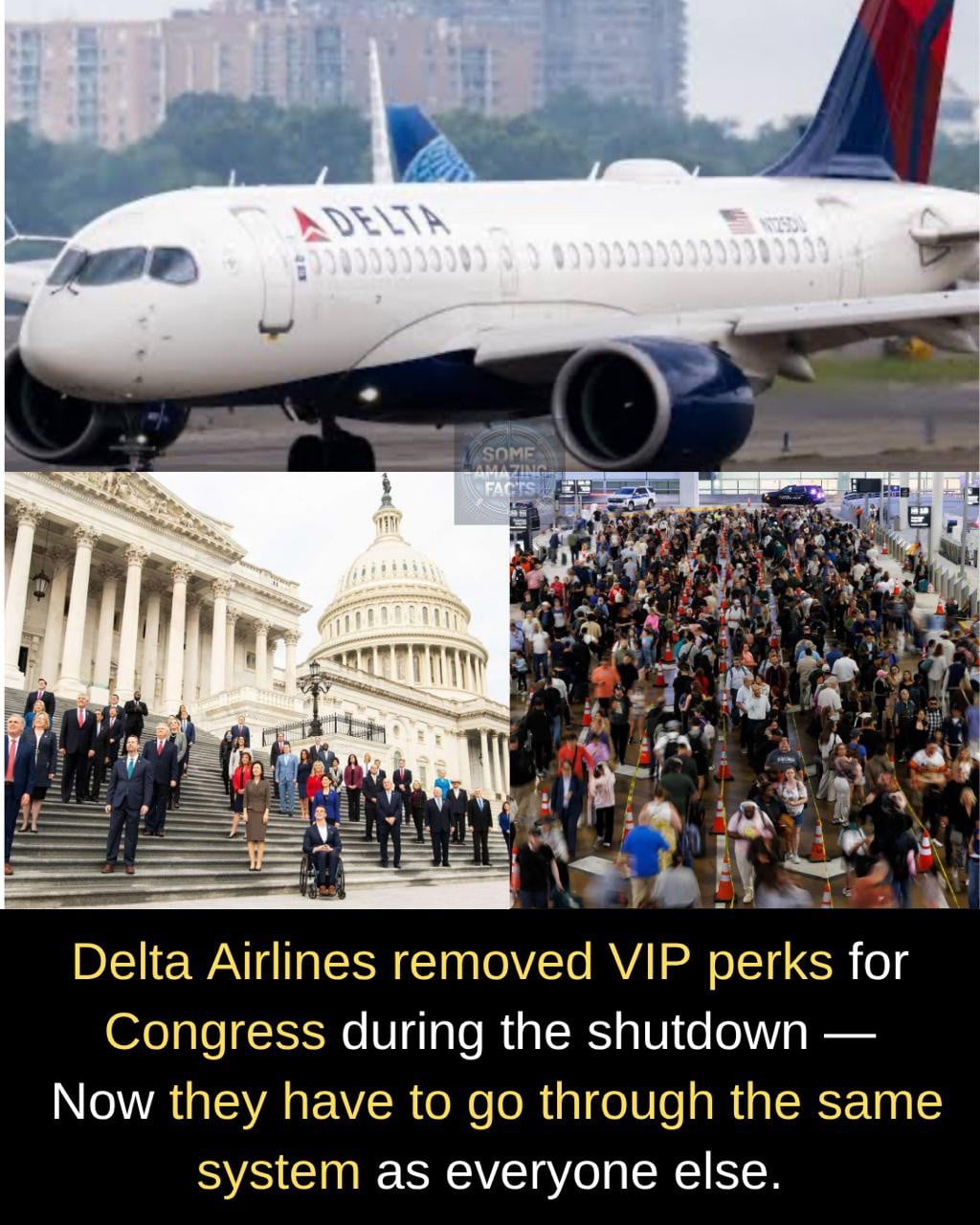
In a notable shift, some officials who were typically granted expedited access through airport security experienced standard screening procedures. This change followed a decision by Delta Air Lines to adjust certain priority services during the shutdown.
As a result, lawmakers and other high-profile travelers joined regular security lines alongside the general public. While the decision was described as a practical response to limited resources, it also created a shared experience that highlighted the broader impact of the shutdown on everyday travel.
This moment underscored how disruptions can affect all travelers, regardless of position. It also brought attention to the essential role of frontline workers who help keep critical systems running, even under challenging conditions.
Overall, the situation offered a reminder of the importance of maintaining efficient operations and supporting the workforce that ensures public services continue without interruption.