
Men, Women, and Height: What Science Reveals About Attraction Preferences
Is love truly blind, or do subtle physical traits quietly influence who we find attractive? According to international research, one simple factor, height, may play a bigger role in attraction than many people realize. A recent study offers fascinating insight into how this single trait shapes romantic preferences across cultures.
The Study
A study published in Frontiers in Psychology examined how height affects romantic preferences across different cultures. By analyzing responses from participants in Canada, Cuba, Norway, and the United States, researchers uncovered consistent patterns that suggest attraction is shaped by a combination of biology, psychology, and social norms.
The research involved 536 participants who were asked to evaluate simple illustrations of men and women with varying heights. Participants selected which figures they found most attractive for both short-term dating and long-term relationships. By focusing only on height and removing other variables, the study was able to observe how this single physical trait influenced attraction.
The cross-cultural design is significant. Canada, Cuba, Norway, and the United States differ substantially in culture, average height, and social norms around dating. Finding consistent patterns across all four suggests the preferences run deeper than local fashion.
The Key Findings
Despite cultural and geographic differences, the results were remarkably consistent:
- Men generally preferred women slightly shorter than average. On average, male participants selected women who were about 2.5 centimeters shorter than their country's average female height.
- Women generally preferred men somewhat taller than average. Female participants chose men approximately 2.3 centimeters taller than their country's average male height.
- The preferences were relative, not absolute. Participants calibrated to their own country's averages, suggesting the preference is about proportion rather than a universal ideal height.
- Patterns held for both short-term and long-term contexts, indicating the preference is stable rather than situational.
These are modest differences, a couple of centimeters, not dramatic gaps. The findings describe gentle tendencies in aggregate data, not rigid requirements in individual attraction.
Why Height Matters: Possible Explanations
Researchers and evolutionary psychologists have proposed several explanations for these patterns:
- Evolutionary signaling. Throughout human history, height has correlated with health, nutrition, and physical capability. Preferences for taller men may reflect ancient associations between stature and the ability to protect and provide.
- Gender norms. Cultural ideals of masculinity emphasize size and presence, while ideals of femininity have historically emphasized delicateness. The preferences may partly reflect internalized social scripts.
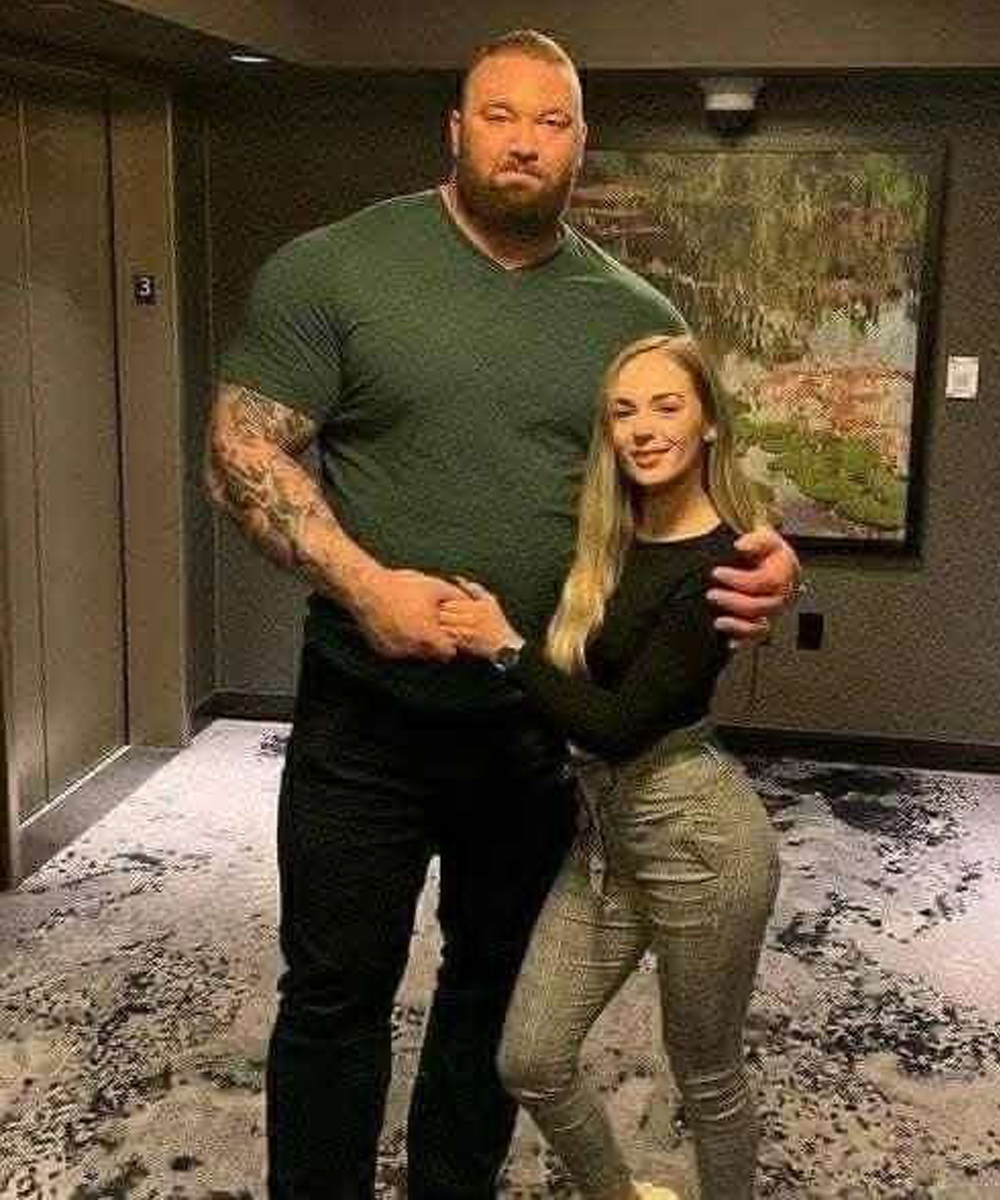
- The "male-taller norm." Sociologists have long documented that in most couples, the man is taller than the woman. This pattern is so consistent that it shapes expectations: pairings that violate it attract notice precisely because they are unusual.
- Proportional aesthetics. Humans generally find certain proportions pleasing, and height differences contribute to the visual dynamic between partners.
- Assortative mating. People tend to partner with those similar to themselves across many traits, and height preferences may partly reflect comfort with familiar proportions.
It is important to note that these are hypotheses, not proven causes. Attraction is multiply determined, and height is one thread in a complex weave.
What the Findings Do Not Mean
The study's nuance is often lost in headlines, so it is worth stating the limits clearly:
- Averages are not destinies. The findings describe group tendencies. Individual attraction varies enormously, and plenty of people prefer partners of similar height, taller women, or shorter men.
- Two centimeters is subtle. The preferred differences are small enough to be imperceptible in daily life. Nobody is measuring.
- Height is one factor among dozens. Personality, humor, kindness, shared values, and chemistry overwhelm height in real-world partner choice.
- Preferences are not requirements. Stating an average preference in a study is very different from rejecting real people over height.
- Culture still matters. While the patterns were consistent, their strength and expression vary, and cultural change can reshape them over time.
Height in Real Relationships
Research on actual couples adds useful context. Studies of married and dating pairs confirm the male-taller norm is real but also show enormous variation. Couples with reversed height patterns report the same relationship satisfaction as conventionally proportioned pairs. What predicts happiness is not the height gap but the quality of the connection.
Dating apps have complicated the picture. Height filters and listed measurements have made stature more salient in initial screening than it ever was in organic meeting contexts. Some researchers worry this amplifies the importance of a trait that matters little to long-term satisfaction. Others note it simply makes explicit what was always implicit.
The Takeaway
The science suggests height does influence attraction in small, consistent, cross-cultural ways. Men lean toward slightly shorter women; women lean toward somewhat taller men; everyone calibrates to local norms. But the operative word is "influence," not "determine." Attraction is a symphony, and height is one instrument, audible but never solo.
The most useful response to this research is not anxiety about measurement but perspective. If you are taller or shorter than average, the data says your dating pool is marginally shaped by these tendencies and overwhelmingly shaped by everything else you bring. Presence, as the saying goes, is about more than inches.
The Height Conversation in Modern Dating
Height has become oddly prominent in contemporary dating culture, largely because apps made it a filterable data point. Profiles list measurements, jokes about height requirements circulate as memes, and preferences that once emerged organically now appear as stated criteria. Researchers are divided on whether this is healthy transparency or unhelpful reductionism.
What the science actually supports is more relaxed than the discourse suggests. The documented preferences are small, averaging a couple of centimeters, and they describe tendencies, not dealbreakers. The couples who thrive are not the ones with optimal height differentials but the ones with genuine compatibility. In the end, nobody's lasting relationship was built on two centimeters, and the happiest couples rarely know or care about the statistics.
Frequently Asked Questions
What did the height attraction study find?
Across 536 participants in four countries, men preferred women about 2.5 cm shorter than average female height, and women preferred men about 2.3 cm taller than average male height. Patterns were consistent across cultures.
Where was the study published?
In Frontiers in Psychology, using participants from Canada, Cuba, Norway, and the United States who evaluated illustrations of varying heights.
Do these preferences determine real relationships?
No. They describe small average tendencies. Individual attraction varies widely, and relationship satisfaction depends on connection quality, not height differences.
Why might height influence attraction?
Proposed explanations include evolutionary associations between height and health, internalized gender norms, the documented male-taller norm in couples, and general aesthetic preferences for certain proportions.



