
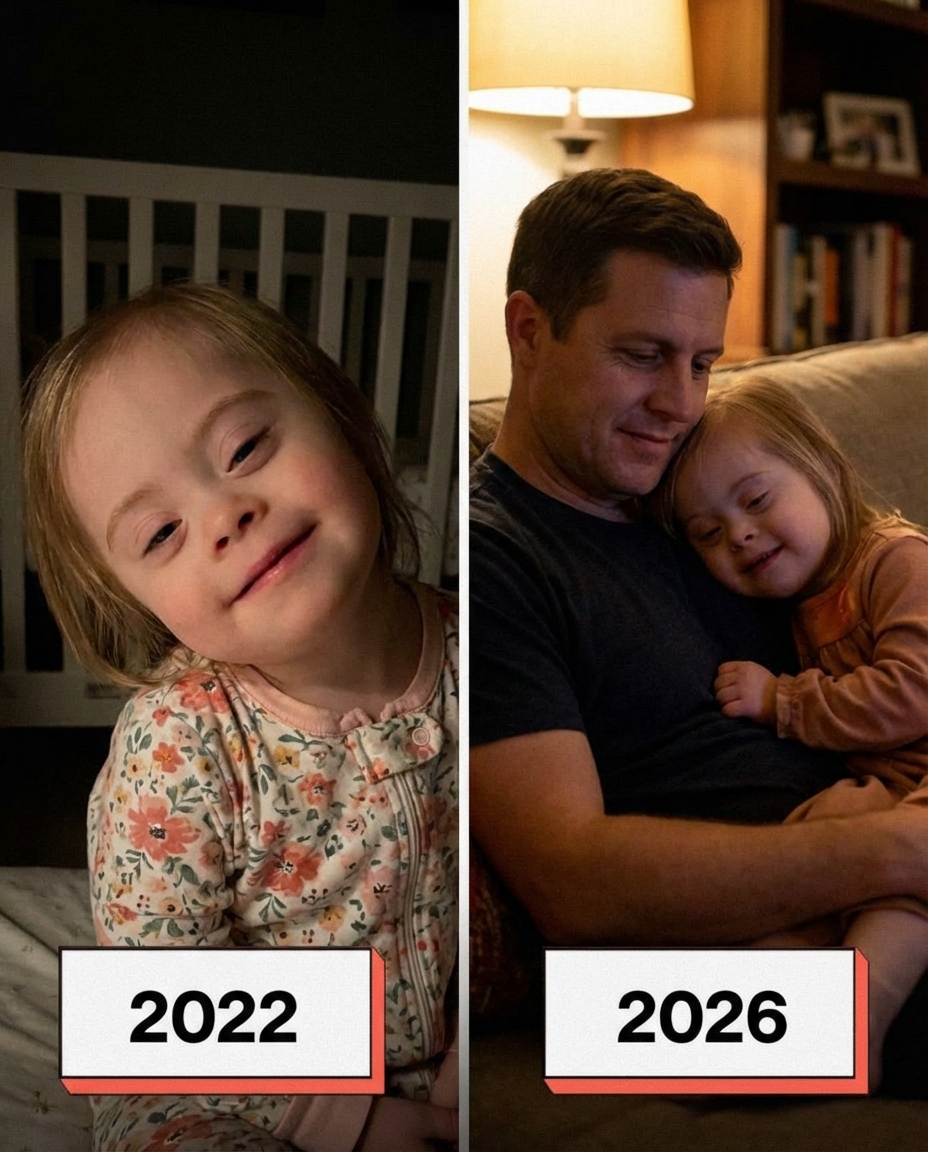
My Husband Adored Our Adopted Daughter Until a Birthday Visit Uncovered a Life-Changing Truth
Adoption stories often carry a hidden chapter: information that one or both parents know and have chosen not to share. Sometimes it is a detail about the child's birth family. Sometimes, as in the most dramatic cases, it is a secret about biology itself: a parent who knew all along that the adopted child was also their biological child, and said nothing for years out of fear.
Whether or not any single telling of such a story is verifiable, the dilemmas it raises are very real for adoptive families. When should children learn the truth about their origins? What happens when a secret explodes into the open at the worst possible moment? And how do families rebuild trust after years of silence? This article offers practical guidance on honesty in adoption, handling difficult relatives, and telling a child their story with care.
Why Secrets in Adoptive Families Are So Damaging
Adoption professionals are nearly unanimous on one point: secrets about a child's origins cause more harm than the truth, however difficult the truth may be. The reasons are practical, not just moral:
- Secrets leak. Children overhear phone calls, find paperwork, or hear it from a relative with a grudge, exactly the way explosive revelations tend to happen: at a birthday party, during a holiday, in front of an audience. The setting of the discovery is often more traumatic than the fact itself.
- The child feels the weight. Even young children sense that a topic is forbidden. They may not know what the secret is, but they learn that their story is shameful or dangerous, and they internalize that message.
- It hands power to the wrong people. A relative who disapproves of the adoption and knows the secret holds a weapon. Honesty on your own terms takes that weapon away.
- It poisons the marriage. Keeping a major secret from a spouse corrodes intimacy. The partner who was deceived must grieve not only the revelation but the years of being managed and misled.
- Biology is not the bomb people fear. Research on adoptive families consistently shows that children handle truth about their origins far better than they handle deception about it. What wounds children is not where they came from. It is learning that the people they trusted most were not honest with them.
Telling Your Child Their Story: Principles That Work
There is no single right age to share adoption truths, but there are well-tested principles:
- Start early and simply. Adoption experts recommend talking about adoption from the beginning, in age-appropriate language, long before the child can fully understand it. A toddler can hear "you grew in another tummy and then came home to us." The story grows in detail as the child grows. Nothing is ever a shocking revelation because it was never hidden.
- Follow the child's lead. Answer the questions they actually ask, honestly and briefly, rather than delivering one big speech. A five-year-old asking "where was I born" needs a simple true answer, not the entire adult backstory.
- Separate facts from judgments. State what happened plainly, without editorializing about who was good or bad. Children need room to form their own feelings over time, and to love everyone in their story.
- Affirm what has not changed. "You are our daughter. That has always been true and will always be true." Children need to hear that new information changes the story, not the love.
- Expect big feelings and give them time. Shock, anger, sadness, confusion, or seeming indifference are all normal. Do not rush a child to feel okay about a revelation.
- Get professional support for hard disclosures. If the truth is complex or painful, a family therapist experienced in adoption can help plan what to say, when, and how to handle the aftermath. This is money well spent.
When the Truth Comes Out Badly
Sometimes, despite best intentions, a child learns a family truth in the worst way: blurted by a relative, overheard, or discovered by accident. If that happens:
- Confirm the truth promptly. Do not deny what the child heard. Denial destroys credibility exactly when the child needs to know who to trust.
- Take control of the narrative. "What you heard is true. Here is what it means, and here is what I should have told you sooner." Calm, direct ownership matters more than perfect words.
- Apologize for the secrecy, not the fact. The wrongdoing was hiding it, not the underlying truth. Name that distinction clearly.
- Protect the child from adult conflict. The argument about who knew what and who is to blame happens later, privately, never in front of the child.
- Give the child veto power over retellings. They get to decide who else knows and when. Their story belongs to them.
Handling a Relative Who Opposes the Adoption
Disapproving in-laws are a common strain in adoptive families. A relative who openly opposed the adoption, distanced themselves for years, and then reappears with disruptive revelations needs clear boundaries:
- Present a united front. Both parents must agree on the boundary and enforce it together. A divided couple invites the relative to exploit the gap.
- State the boundary plainly and once. "Our daughter's story is ours to tell her, on our timeline. If you cannot respect that, you cannot be part of family events." Then follow through.
- Do not trade access for peace. Allowing a hostile relative back in "to keep things calm" teaches them that disruption works. Calm comes from consistency, not concessions.
- Protect the child first. A grandparent's feelings, however genuine, do not outrank a child's need for safety and stability. Limited, supervised contact or no contact are both legitimate choices.
- Leave the door ajar, not open. People can change. A relative who genuinely apologizes and demonstrates respect over time may earn a careful second chance. That is your family's decision to make, not theirs to demand.
Rebuilding Trust Between Partners After a Hidden Truth
When one partner kept a foundational secret, the other faces a double loss: the shock of the fact and the grief of the deception. Rebuilding is possible, but it requires more than an apology:
- Full disclosure, voluntarily offered. The partner who hid the truth must answer every question honestly, without defensiveness or minimization. Trickle-truth, where details emerge over months, kills recovery.
- Understanding the why. Fear is a human motive, but the deceived partner deserves to understand exactly what the fear was and why honesty felt impossible. A counselor can help unpack this without it becoming an excuse.
- Demonstrable change. Transparency going forward: open communication, no more managed information, and a clear agreement that there are no more secrets about the family.
- Professional help. Couples therapy, ideally with someone experienced in betrayal recovery, gives both partners tools and a safe structure.
- Time and evidence. Trust returns through consistent honest behavior over months and years, not through promises. The deceived partner sets the pace.
Parenthood Is What You Do, Not Just Where You Came From
The deepest truth in these stories is also the simplest: parenthood is defined by showing up. The school runs, the scraped knees, the bedtime stories, the fierce advocacy at every appointment: that is what makes a parent. Biology is a fact about how a child arrived. Love is a fact about what happened every day after.
Children know this instinctively. What they need from the adults is the same thing every time: honesty, consistency, and the unshakable message that they are wanted and loved, story and all.
Frequently Asked Questions
At what age should an adopted child learn the full details of their story?
Start talking about adoption from toddlerhood in simple terms, and add detail as the child matures and asks questions. By school age, children should know the basic facts. Complex or painful details can wait until the child shows readiness, but nothing should be hidden indefinitely.
Should birth parents or biological facts be kept secret to protect the child?
No. Adoption professionals strongly advise against secrecy. Children have a right to their own history, secrets almost always surface eventually, and the damage from discovery far exceeds the discomfort of an honest, well-timed conversation.
How do I respond when a relative threatens to tell my child something I have not shared yet?
Take away their leverage by telling the child yourself, on your terms, as soon as possible. Then set a firm boundary with the relative about respecting your family's decisions. Do not let fear of the relative dictate your timeline any longer.
Can a marriage survive a secret like this?
Yes, many do, but it takes genuine accountability, full transparency going forward, professional support, and time. The partner who was deceived needs space to grieve the deception itself, not just absorb the new fact and move on.


