For decades, photographs of Princess Diana have remained part of the public memory. Her famous smile, distinctive style, and warm interactions with people made her one of the most recognizable figures of her generation.
Yet some of the most memorable photographs are not necessarily the ones taken during major royal events.
Instead, quieter images can sometimes reveal another side of Diana: a mother spending time with her children, a woman listening carefully to someone she had just met, or a public figure stepping away from ceremony and allowing herself to enjoy an ordinary moment.
These photographs offer a more personal perspective on a woman whose life was almost constantly observed by the public.
The Woman Behind the Public Image
Diana became widely known for the way she interacted with people.
During her public engagements, she frequently visited hospitals, met patients, spoke with families, and participated in charitable events. Her approach often appeared less formal than traditional royal appearances.
Rather than simply standing at a distance during an event, Diana was frequently photographed speaking directly with the people she had come to meet.
That personal style became an important part of her public identity.
Her humanitarian work also brought her into contact with communities and individuals who were often dealing with difficult circumstances. Photographs from these occasions preserve moments of conversation, attention, and human connection.
They also show why images of Diana continue to attract interest many years later.
A Mother Creating Ordinary Memories
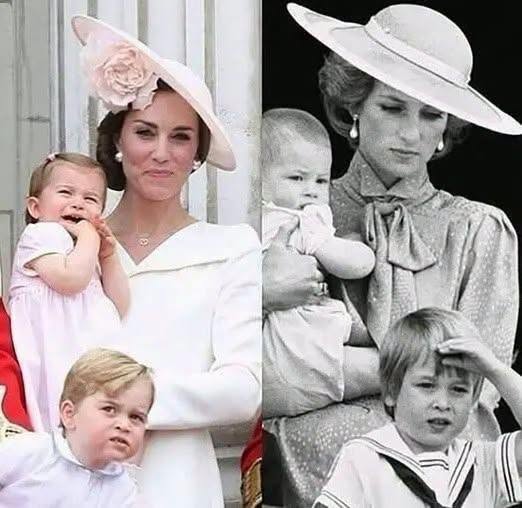
Away from official duties, Diana’s role as a mother was an important part of her life.
She wanted her sons, William and Harry, to experience childhood in ways that felt as normal as possible despite the enormous attention surrounding their family.
Photographs from their younger years show the family enjoying activities that were far removed from formal royal ceremonies.
There are images of amusement parks, outdoor activities, meals, and playful moments between mother and children.
These scenes may look ordinary, but that is part of what makes them interesting.
For Diana, ordinary family experiences could provide a sense of normality in a life that was anything but ordinary.
The photographs capture laughter, affection, and the simple experience of a mother spending time with her children.
They also preserve memories of William and Harry before they became adults with their own highly visible public lives.
More Than Fashion and Royal Ceremonies
Diana’s fashion legacy remains one of the most recognizable aspects of her public image.
Her clothing choices were photographed around the world, and her hairstyles and appearances frequently attracted international attention.
But focusing only on fashion can leave out much of the story.
Behind the elegant dresses and official engagements was a woman living under enormous public scrutiny. Her marriage to Charles eventually ended in separation and divorce, marking a significant period of change in her life.
At the same time, the media continued to follow her closely.
Almost every public appearance could become a news story, while even relatively private moments could attract photographers.
That constant attention made genuine privacy difficult to find.
The quieter photographs therefore provide an interesting contrast. They show Diana away from the formal setting of royal ceremonies and allow viewers to see moments that feel more personal.
Diana and Humanitarian Work
Another important part of Diana’s public life was her involvement in humanitarian causes.
She became particularly associated with efforts to raise awareness about HIV and AIDS during a period when misinformation and fear surrounding the disease were widespread.
Her public interactions with people affected by HIV attracted significant attention.
She also became involved in campaigns concerning landmines and supported various charitable and humanitarian causes.
Photographs from these occasions often show Diana sitting beside people, listening to them, or speaking directly with them.
The significance of such images comes partly from their simplicity.
A photograph can preserve a moment of human connection without requiring a lengthy speech or explanation. Diana’s willingness to engage directly with people became closely associated with her humanitarian work.
Her public presence helped draw attention to causes and communities that might otherwise have received less international visibility.
The Importance of Small Gestures
When looking back at historical photographs, it can be easy to focus on major events.
However, smaller moments can sometimes tell a different story.
A photograph of Diana listening to someone can reveal her approach to public engagements. An image of her laughing with her children can show a family moment that would otherwise have disappeared into the past.
These small scenes help create a fuller picture.
They remind viewers that behind the title, clothing, ceremonies, and headlines was an individual living an unusually public life.
A Smile Did Not Tell the Whole Story
Diana was frequently photographed smiling.
Her smile became one of her most recognizable features, but a photograph captures only a single moment.
It cannot completely explain what was happening in someone’s life before or after the camera shutter.
Diana’s public life included intense media attention, difficult personal circumstances, and the challenges associated with being one of the world’s most recognizable women.
That context gives additional meaning to photographs showing her enjoying simple moments.
A picture of Diana laughing with her children does not tell the complete story of her life. It simply preserves one moment of happiness.
And sometimes, that is enough to make a photograph memorable.
A Legacy Connected to Compassion
Diana’s influence continued long after her years of public service.
Her humanitarian activities became an important part of how she is remembered, particularly her work involving vulnerable communities and charitable causes.
Her sons have also continued public and charitable work in their own ways, keeping aspects of their family’s public-service tradition visible.
For many people, Diana’s legacy is associated not only with her royal title but also with empathy, personal interaction, and attention toward people who were often overlooked.
The photographs help preserve that side of her story.
What the Photographs Reveal
The most interesting images are often those that show Diana outside the traditional expectations of royal life.
They may show her laughing with her children.
They may show her listening to a patient.
They may show her speaking with children during an overseas visit.
They may simply show her enjoying an ordinary activity.
Taken individually, these photographs represent brief moments.
Together, they create a broader visual record of a woman balancing family life, public responsibilities, humanitarian work, and constant media attention.
Why These Images Still Matter
Princess Diana died decades ago, yet photographs from her life continue to attract attention.
Part of the reason is that the emotions in many of these images remain easy to understand.
The joy of spending time with family is familiar.
The importance of being listened to is familiar.
The desire for ordinary moments is familiar.
The wish to connect with other people is familiar.
Those experiences transcend the extraordinary circumstances of Diana’s life.
The photographs may belong to another era, but the human moments they preserve remain recognizable.
Remembering Diana Beyond the Title
Princess Diana was a member of the British royal family, a mother, a public figure, and a prominent participant in humanitarian campaigns.
But photographs allow people to remember another dimension of her life.
They show a woman laughing with her sons, meeting patients, interacting with children, attending charitable events, and occasionally stepping outside the formal expectations surrounding her position.
Those moments do not tell every part of Diana’s story.
They do, however, add detail to the picture.
Perhaps that is why previously overlooked photographs can feel so meaningful. They allow viewers to pause for a moment and look beyond the famous dresses, royal ceremonies, and newspaper headlines.
What remains is something much simpler: photographs of a woman, a mother, and a public figure trying to find ordinary human connections within an extraordinary life.