She Thought It Was Quinoa: But a Closer Look Told a Different Story
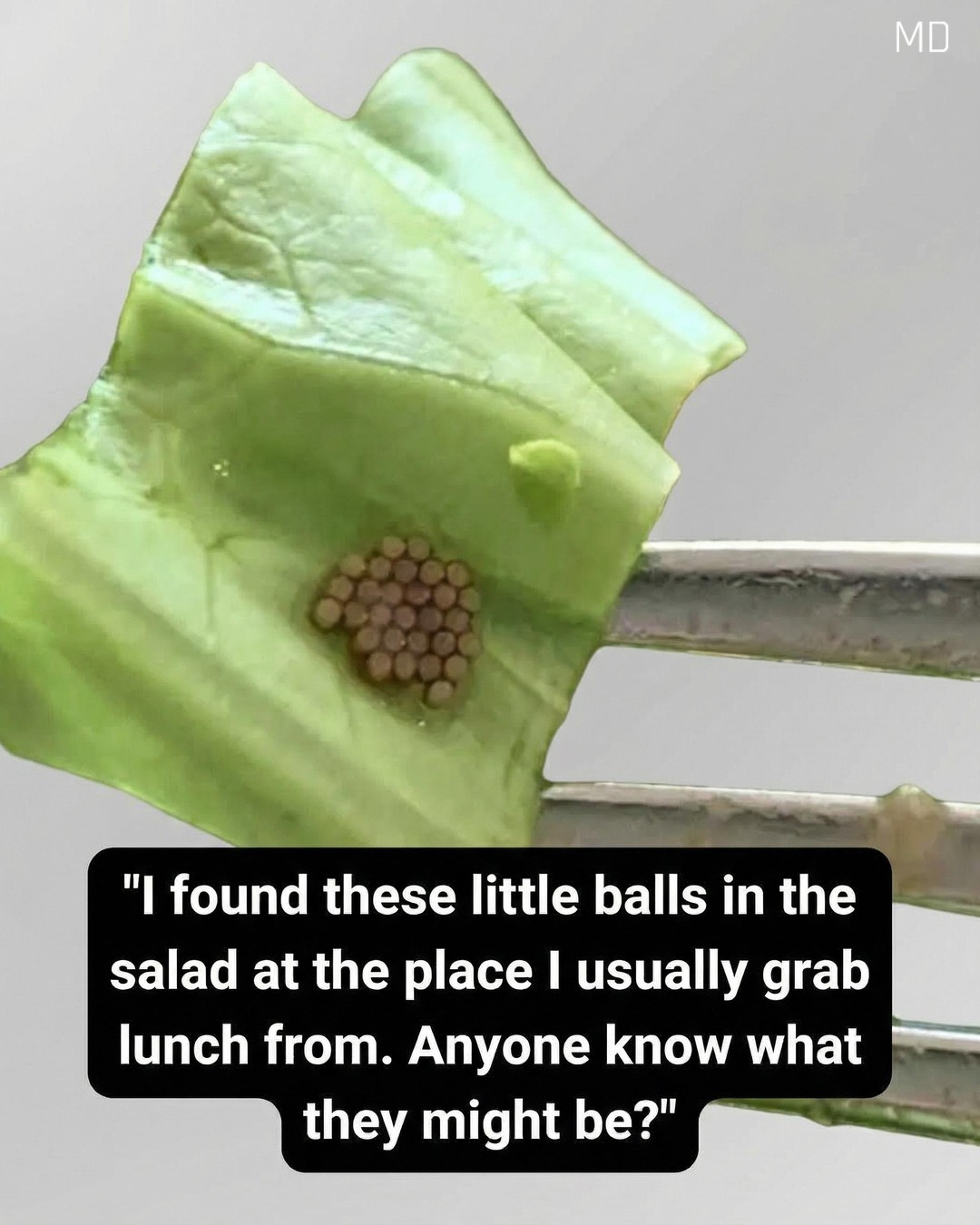
What started as a normal lunch break quickly turned into an unexpected moment of discovery. After adding what appeared to be quinoa to her salad, a woman noticed something unusual. The small brown clusters were not loose grains at all but were attached to a lettuce leaf.
Realizing the clusters were not part of her meal, she stopped eating immediately and alerted those nearby. What could have been a routine lunch became a reminder of how important it is to pay attention to the food we eat.
What She Actually Found
Although surprising, situations like this are not unheard of. Fresh produce grows outdoors, where it is naturally exposed to insects and other elements. In some cases, insects may lay eggs on the underside of leafy vegetables while crops are still in the field.
The small brown clusters attached to the lettuce leaf were consistent with insect eggs, a natural if unwelcome occurrence on field-grown produce. To the casual glance, they resembled quinoa grains, which made the discovery especially startling. She had been eating her salad normally, believing the clusters were part of her meal, until a closer look revealed they were fixed to the leaf itself.
Her response was exactly right: stop eating, alert others, and don't panic.
Why This Happens
Modern harvesting, washing, and packaging processes significantly reduce these occurrences. Commercial produce goes through multiple stages of cleaning before it reaches stores or restaurants. However, because produce is grown in natural environments, tiny remnants from the field can occasionally make their way through the supply chain.
Leafy greens are particularly susceptible because of their structure. The folded, layered leaves of lettuce, cabbage, and similar vegetables create sheltered pockets where insects can lay eggs undisturbed. The undersides of leaves, which face away from sun and spray, are favorite spots. Even with thorough commercial washing, a well-hidden cluster can survive the journey from field to plate.
This isn't a sign of negligence. It's a reminder that our food comes from living ecosystems, not sterile factories. The same natural processes that make fresh produce nutritious also mean it occasionally carries traces of the field.
Should You Be Worried?
The good news is that brief, accidental contact is typically low risk. Insect eggs on produce are not the same as foodborne pathogens like salmonella or E. coli. While the discovery is understandably unsettling, a moment of accidental exposure doesn't generally pose a health threat.
That said, the incident is a useful prompt to take food safety seriously. The real risks in fresh produce come from bacterial contamination, pesticide residues, and improper handling, all of which are addressed by proper washing and preparation.
What To Do If It Happens to You at a Restaurant
If you ever notice something unusual in a restaurant meal, it is best to stop eating the dish and politely notify restaurant staff. Most establishments take food quality concerns seriously and will usually replace the dish or offer a refund.
A few tips for handling it well:
- Stay calm. The staff didn't put it there on purpose, and a measured response gets better results.
- Show, don't just tell. Point out exactly what you found so they can assess it.
- Ask for a replacement or refund. This is standard and reasonable.
- Give them a chance to investigate. Calm communication allows staff to review their preparation processes and help prevent similar issues in the future.
- Don't eat around it. Once you've spotted contamination, the whole dish is suspect. Set it aside.
Washing Produce at Home: Doing It Right
When preparing fresh produce at home, rinsing fruits and vegetables thoroughly under running water can help remove dirt and debris. Gently separating and inspecting leafy greens, especially in folded or layered areas, adds an extra layer of care. Even items labeled as pre-washed can benefit from a quick additional rinse.
Here's a practical routine for leafy greens:
- Separate the leaves. Don't wash a whole head as a unit. Pull it apart.
- Rinse under running water. Rub gently with your hands. Running water is more effective than soaking.
- Check the undersides. Flip leaves over and look at the parts that face down in the field.
- Inspect folds and crevices. These are the hiding spots.
- Use a salad spinner. It removes water efficiently, which also discourages bacterial growth.
- Don't use soap or bleach. Plain water is what's recommended by food safety authorities.
For extra caution with farmers market or garden produce, which skips commercial washing entirely, be especially thorough. The trade-off for fresher, local food is a bit more personal responsibility in preparation.
The Bigger Picture: Mindful Eating
Unexpected moments like this can feel unsettling, but they also highlight the importance of mindful food preparation. With simple precautions and careful inspection, fresh produce can remain a healthy and enjoyable part of everyday meals.
There's also a quieter lesson here about attention. The woman noticed because she looked closely. Most of us eat on autopilot, scrolling phones between bites. Slowing down, actually looking at our food, is one of the simplest health habits there is. It helps with portion awareness, enjoyment, and yes, occasionally spotting something that doesn't belong.
Frequently Asked Questions
What did the woman find in her salad?
Small brown clusters attached to a lettuce leaf that she initially mistook for quinoa. They appeared to be insect eggs laid on the produce while it was still growing in the field.
Is it dangerous to accidentally eat insect eggs on produce?
Brief, accidental contact is typically low risk. Insect eggs are not the same as bacterial foodborne pathogens. Still, stop eating and discard the affected food.
How common is this?
Uncommon but not unheard of. Commercial washing greatly reduces occurrences, but field-grown produce can occasionally carry remnants through the supply chain, especially in the folded areas of leafy greens.
Should I rewash pre-washed salad?
It's a reasonable precaution. Even items labeled pre-washed can benefit from a quick additional rinse at home.
What's the best way to wash lettuce?
Separate the leaves, rinse thoroughly under running water while gently rubbing, inspect undersides and folds, and spin dry. Don't use soap, detergent, or bleach on produce.