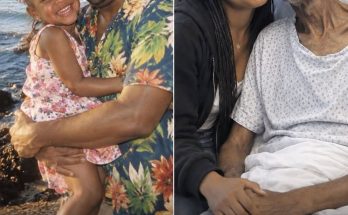
She’s Only 3… and She Just Gave Us All Hope
At just three and a half years old, Ruby has already learned what it means to be strong in ways no child ever should. Her story is one of hospital rooms and hard words, of fear and faith intertwined. And this week, her family received the news they had been praying for, news worth celebrating with everything they have.
Ruby’s Journey with Astrocytoma
Her journey with astrocytoma has been marked by long days and longer nights: days filled with medications whose names are hard to pronounce, therapies that demanded patience far beyond her years, and hospital rooms that became far too familiar. For Ruby and her family, life has often revolved around appointments, scans, and waiting for answers that never come quickly.
Astrocytoma is a type of brain tumor that develops from astrocytes, star shaped cells that support nerve cells in the brain and spinal cord. In children, these tumors vary widely in how they behave. Some grow slowly and can be managed over time. Others are more aggressive. All of them turn a family’s world upside down, because the brain is involved, and because the patient is a small child who cannot fully understand what is happening.
For a three-year-old, the experience is measured in disruptions: missed naps, strange machines, people in masks, and parents who smile while their eyes look worried. Ruby has endured all of it with a resilience that humbles everyone around her.
When Vision Was Threatened
One of the most frightening chapters came when swelling began to affect Ruby’s vision. Brain tumors and the swelling around them can press on the optic nerves or the parts of the brain that process sight. Simple things, seeing clearly, recognizing faces, watching the world move around her, became uncertain.
For her parents, it was another weight added to hearts already carrying so much hope and fear at the same time. Vision is so fundamental to a child’s experience of the world, especially for a child like Ruby, whose imagination is a huge part of who she is. The thought of her losing that window into the world was almost unbearable.
The News They Had Been Praying For
But this week brought a moment they had been praying for.
Doctors confirmed that Ruby’s brain tumors are stable. In the world of childhood illness, stability is not just a medical term. It is a gift. It means the disease is not advancing. It means time to breathe. Time to regroup. Time to hope again.
Parents of children with serious illness learn a new vocabulary. “Stable” becomes the most beautiful word in the language. “No change” becomes cause for celebration. “We’ll watch and wait” becomes a plan full of promise. Ruby’s family knows this language fluently now, and this week, it spoke good news.
A Miracle for Her Eyes
Then came even more encouraging news.
The swelling that once threatened Ruby’s eyesight is gone, and her vision has been fully restored to 20/20. The little girl who had endured so much can now see the world clearly again: its colors, its movement, its magic. For a child whose imagination is a big part of who she is, this healing touched far more than just her eyes.
Imagine it from Ruby’s perspective: the world coming back into focus. Faces sharp again. Colors bright again. The rainbow unicorn vivid again. For her parents, watching their daughter see clearly must have felt like watching her come back to life in high definition.
Signs of Normal Returning
With clarity has come excitement.
Ruby is already talking about going back to dance class, about building things again with her hands, and about returning to the imaginative worlds she creates with her baby dolls and her rainbow unicorn. These may seem like small details, but for her family, they are signs of life returning to something that feels wonderfully normal.
This is what recovery looks like in a three-year-old: not grand declarations, but dance class. Not medical milestones recited, but baby dolls arranged just so. The return of ordinary childhood desires is the most extraordinary news her family could receive.
Celebrating Like Fighters Do
To celebrate this precious milestone, Ruby and her family chose joy. They spent the day at the zoo, watching a sea lion show and soaking in laughter, wonder, and the simple happiness of being together. Because fighters don’t wait for perfect circumstances to celebrate. They embrace joy whenever it appears.
There is wisdom in that choice that adults would do well to learn. Too often we postpone happiness until conditions are perfect: until the all clear, until the final test, until the worry is completely gone. Ruby’s family understands what illness teaches: joy is not the reward at the end of the journey. It is the fuel for it.
The Journey Continues
Today is not the end of Ruby’s journey. There will still be checkups, continued care, and careful watching. Brain tumors require long term vigilance even when stable, and her family knows the road ahead still has appointments and scans.
But today is a pause. A moment to give thanks for stability. A moment to acknowledge healing. A moment to recognize the strength of a little girl and the faith of a family who refuses to stop hoping.
Today, we praise God alongside them. For carrying them through the valleys. For restoring what was threatened. For every small miracle that builds toward a brighter tomorrow.
How to Support Families Like Ruby’s
Stories like Ruby’s move us, and that emotion can become action:
- Respect their journey. Follow their lead on what to ask and how to help.
- Offer practical help. Meals, rides, childcare for siblings, and gift cards ease real burdens.
- Don’t disappear. Support often floods in at diagnosis and fades during the long middle. Stay present.
- Celebrate their milestones. A stable scan deserves as much joy as you can give it.
- Support pediatric research. Childhood brain tumor research depends heavily on charitable funding.
Please continue to lift Ruby up: for ongoing protection, continued healing, and many days ahead filled with dancing, laughter, imagination, and light.
Frequently Asked Questions
What is astrocytoma?
Astrocytoma is a type of brain tumor that develops from astrocytes, supportive star shaped cells in the brain and spinal cord. In children, these tumors range from slow growing to aggressive, and all require specialized care.
What does it mean that Ruby’s tumors are stable?
Stability means the tumors are not growing or advancing. In childhood brain tumor care, stable disease is very good news: it gives the child time, allows the body to recover, and means current management is working.
How did swelling affect her vision?
Swelling around brain tumors can press on optic nerves or visual processing areas. In Ruby’s case it threatened her sight, but the swelling has now resolved and her vision is fully restored to 20/20.
What is next for Ruby?
Continued checkups, ongoing care, and careful monitoring. Her journey is not over, but her family is celebrating this milestone of stability and restored vision.
How can people help families facing childhood illness?
Through practical support like meals and rides, sustained emotional presence, celebrating good news with them, and supporting pediatric cancer research organizations.