The Essential Kitchen Gadget for Effortless Herb Preparation
Fresh Herbs, Without the Hassle
Fresh herbs have the power to transform everyday meals into something truly special. Their vibrant aroma and natural flavor bring life to dishes like salads, sauces, and marinades. While dried herbs are convenient, many home cooks agree that fresh herbs offer a richer, more authentic taste that is hard to match.
However, preparing fresh herbs can sometimes feel like a chore. Washing, drying, separating leaves from stems, and chopping everything finely can take time, especially during busy cooking sessions. Anyone who has stood at the counter painstakingly plucking thyme leaves one by one knows the frustration. The flavor payoff is enormous, but the prep work can test your patience.
That is where a simple yet effective kitchen tool comes in: the herb remover.
What Is an Herb Remover?
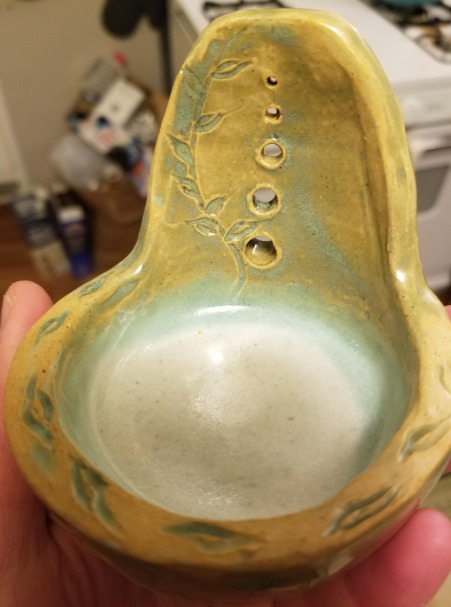
Herb removers, sometimes called herb strippers, are designed to make preparation quicker and easier. These tools typically have several hole sizes to fit different herbs. To use one, you place the stem into the appropriate hole and gently pull it through. The leaves are separated in seconds, saving both time and effort.
The concept is beautifully simple. Different herbs have different stem thicknesses: delicate thyme and oregano need small holes, while heartier rosemary and parsley stems need larger ones. A good herb stripper offers a graduated range of holes, so one tool handles your entire herb collection.
Some versions also include extra features like small blades for chopping or compartments to collect the leaves. These multi-function designs turn the humble stripper into a compact herb prep station.
Why Fresh Herbs Are Worth the Effort
Before diving deeper into the tool, it is worth remembering why fresh herbs deserve a place in your cooking:
- Superior flavor: Fresh herbs contain volatile oils that dissipate during drying. The taste difference, especially for basil, cilantro, parsley, and dill, is dramatic.
- Vibrant aroma: The scent of fresh herbs elevates the entire cooking experience, engaging senses that dried herbs cannot reach.
- Visual appeal: Bright green herbs make dishes look as good as they taste, adding color and freshness to the plate.
- Nutritional benefits: Fresh herbs are concentrated sources of vitamins, antioxidants, and beneficial plant compounds.
- Versatility: From finishing garnishes to infused oils to pestos and chimichurris, fresh herbs do jobs dried herbs simply cannot.
The only real barrier is preparation time. And that is exactly the barrier the herb remover eliminates.
How to Use an Herb Stripper
Using the tool could not be simpler:
- Select the right hole. Match the hole size to the stem thickness. Too large and leaves slip through; too small and the stem jams.
- Insert the stem through the hole from the top, holding the leafy end.
- Pull gently and steadily. The leaves catch on the edges and strip off cleanly as the stem slides through.
- Collect the leaves in the built-in compartment or a waiting bowl.
- Discard the stems, or save woody stems like rosemary for skewers or smoking.
The whole process takes seconds per stem. What once required minutes of tedious plucking now happens in a single smooth motion. For recipes calling for large quantities of herbs, like pesto, tabbouleh, or herb-crusted roasts, the time savings are transformative.
Which Herbs Work Best
Herb strippers excel with particular herbs:
- Thyme: The poster child for herb strippers. Tiny leaves on woody stems make thyme the most tedious herb to prep by hand and the most satisfying to strip.
- Oregano and marjoram: Similar structure to thyme, similarly transformed by the tool.
- Rosemary: Use larger holes for the woodier stems. Stripes the needle-like leaves efficiently.
- Parsley and cilantro: Softer stems strip easily, though many cooks simply chop these whole.
- Tarragon and dill: Delicate leaves come off cleanly with gentle pulling.
For basil and mint, with their large tender leaves, hand-picking or a sharp knife often works better. The stripper shines brightest with small-leaved, woody-stemmed herbs.
Keeping Herbs Fresh
Keeping herbs fresh is just as important as preparing them properly. Fresh herbs are perishable, and nothing is more disappointing than reaching for basil that has turned to black slime. Proper storage dramatically extends their life:
- Wash and dry right away. After buying fresh herbs, wash them promptly and dry thoroughly. Excess moisture accelerates decay.
- Wrap in paper towels. Wrapping herbs in slightly damp paper towels absorbs excess moisture while maintaining humidity.
- Store in resealable bags. Place the wrapped herbs in bags in the refrigerator, gently squeezing out excess air.
- Treat some like flowers. Basil, parsley, and cilantro last longer with stems trimmed and placed in a glass of water in the fridge, loosely covered.
- Know the exceptions. Basil hates cold and does best at room temperature. Hardy herbs like rosemary and thyme tolerate drier storage.
For the best taste and aroma, use fresh herbs within a few days of purchase. But with proper storage, many herbs stay vibrant for a week or longer.
Beyond Stripping: Getting the Most From Your Herbs
An herb stripper handles the tedious part, but a few additional techniques maximize your herbs:
- Chop just before using. Cut herbs release their volatile oils quickly. For maximum flavor, chop at the last moment.
- Use a sharp knife. Dull blades bruise herbs, darkening them and diminishing flavor. A sharp knife makes clean cuts.
- Do not over-chop. Pulverizing herbs into paste (unless making pesto) releases bitter compounds. Aim for a confident, even chop.
- Add at the right time. Delicate herbs like basil, cilantro, and parsley lose flavor with prolonged cooking. Add them at the end. Hardy herbs like rosemary, thyme, and oregano withstand longer cooking.
- Save the stems. Do not discard flavorful stems automatically. Parsley and cilantro stems are delicious finely chopped. Woody rosemary stems make excellent skewers.
- Freeze for later. Chop herbs, pack into ice cube trays with olive oil or water, and freeze. Perfect for winter cooking.
Choosing the Right Herb Remover
Not all herb strippers are equal. When choosing one, consider:
- Hole variety: More sizes mean more versatility across different herbs.
- Material: Stainless steel is durable and easy to clean. Silicone models are gentler but less precise. Avoid flimsy plastic that bends under pressure.
- Ergonomics: A comfortable grip matters when processing large batches.
- Extra features: Built-in blades, measurement markings, and collection bowls add convenience.
- Ease of cleaning: Dishwasher-safe designs save time. Models with trapped crevices can harbor residue.
- Size: Compact strippers store easily but may be slower for big jobs. Larger models handle volume better.
Prices are modest, typically ranging from a few dollars for basic models to around twenty for premium multi-function versions. For a tool that saves minutes every time you cook with fresh herbs, the return on investment is excellent.
A Small Tool With a Big Impact
The herb remover will never be the star of your kitchen. It does not sear, bake, or blend. But the best kitchen tools are often the quiet ones: the ones that remove friction from the cooking process and make you more likely to cook well every day.
By eliminating the most tedious part of fresh herb preparation, the herb stripper does something remarkable: it makes you cook with fresh herbs more often. And more fresh herbs mean better-tasting food, more enjoyable cooking, and a kitchen that smells like somewhere you want to be.
Sometimes the essential gadget is not the most expensive or impressive one. Sometimes it is a simple piece of metal with holes in it, doing one job perfectly.
Frequently Asked Questions
What is an herb stripper and how does it work?
An herb stripper (or herb remover) is a kitchen tool with graduated holes sized for different herb stems. You insert the stem through the appropriate hole and pull it through; the leaves strip off cleanly in seconds.
Which herbs work best with a stripper?
Small-leaved, woody-stemmed herbs like thyme, oregano, marjoram, and rosemary benefit most. Softer herbs like parsley and cilantro also work well, while large-leaved basil and mint are often easier to pick by hand.
How should I store fresh herbs to keep them fresh?
Wash and dry herbs promptly, wrap in paper towels, and store in resealable bags in the refrigerator. Alternatively, trim stems and place parsley, cilantro, or basil in a glass of water like flowers. Use within a few days for best flavor.
When should I add fresh herbs during cooking?
Add delicate herbs (basil, cilantro, parsley, dill) at the end of cooking to preserve their flavor. Hardy herbs (rosemary, thyme, oregano) can withstand longer cooking times and are often added earlier.
What should I look for when buying an herb stripper?
Look for a good range of hole sizes, durable materials like stainless steel, comfortable ergonomics, easy cleaning, and useful extra features like built-in chopping blades or collection compartments.