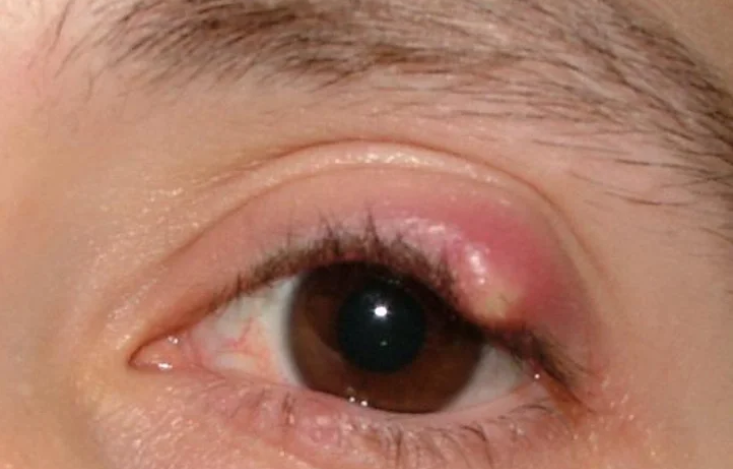
The eyes are often described as windows to the soul. Beyond expression and emotion, they can also provide valuable clues about your overall health. Subtle changes in the eyes may reflect conditions affecting different parts of the body. This is one reason why regular eye check-ups are important, even when everything seems normal.
Paying attention to unusual signs can help you act early and seek professional guidance when needed. If you notice any of the following symptoms, scheduling a visit with an optometrist or doctor can be a wise step.
Content is provided for informational purposes only and is not intended as a substitute for medical advice. Always seek guidance from a qualified healthcare professional regarding your health and medical conditions.
1. Blurry vision
Blurred vision is one of the most noticeable signals that something may be affecting your eyes. It can appear suddenly or develop gradually over time.
A sudden and significant change in vision may be linked to issues involving blood flow to the eye or even the brain. In some situations, it may be associated with the early stages of a migraine or serve as a warning sign related to a stroke.
For individuals who have lived with diabetes for many years, blurred vision can also be connected to diabetic retinopathy, a condition that affects the blood vessels in the eyes. Since blurred vision can have multiple causes, it is important to consult a doctor if this symptom appears.
2. Yellow bumps on the eyelids
Small yellow bumps that form on or around the eyelids can indicate elevated cholesterol levels. These deposits, often referred to as cholesterol-related growths, are made up of fatty substances beneath the skin.
An eye specialist can usually identify their cause through a routine examination. Addressing this sign early can help guide further health evaluations if necessary.
3. Drooping eyelid
A drooping eyelid, known as ptosis, may not cause pain, though it can interfere with vision in some cases. This condition may develop when the nerves or muscles responsible for lifting the eyelid become weakened or affected by injury or illness.
In situations where vision is not impacted, treatment may not be required. For others, medical procedures can help restore the function and position of the eyelid, improving both vision and comfort.
4. Inflammation of the eyelids
Inflammation along the edges of the eyelids, called blepharitis, can arise from several different causes. It may be linked to skin conditions such as dandruff or rosacea, or it may result from infections, allergies, or blocked oil glands.
Other contributing factors may include dry eyes or microscopic organisms that affect the eyelash area. When symptoms persist despite proper hygiene and care, it is recommended to consult a healthcare professional for further evaluation.
5. Spots in your vision
Seeing small shapes drifting across your field of vision is a common experience for many people. These are often described as floaters and may appear as dots, lines, or web-like patterns.
In many cases, floaters are related to natural changes that occur with age inside the eye. However, a sudden increase in their number, especially when combined with flashes of light or a shadow in your vision, may require immediate attention. These signs can be associated with conditions affecting the retina.
6. Red, itchy eyes
Eye irritation can be caused by many factors, though itching accompanied by sneezing, coughing, or nasal congestion often points to allergies. Common triggers include pollen, dust, or pet dander present in the environment.
Another possible cause is dry eye syndrome, which occurs when the eyes do not produce enough moisture. Certain skin conditions, such as eczema, may also contribute to irritation around the eyes. Identifying the source can help guide appropriate care.
7. Yellowing of the whites of the eyes
When the white part of the eye takes on a yellow tone, it may indicate a condition known as jaundice. This can be related to liver function and the presence of bilirubin in the body.
Various factors, including diet, infections, or liver-related conditions, can contribute to this change. Medical evaluation is important to determine the underlying cause and appropriate management.
8. Bulging eyes
Eyes that appear more prominent than usual may be associated with an overactive thyroid condition, particularly Graves’ disease. This can cause visible changes in the area around the eyes, including increased exposure of the white part above the iris.
Additional signs may include fatigue, restlessness, or changes in weight and appetite. Noticing these symptoms together can help guide a conversation with a healthcare provider.
9. Ring around the cornea
A gray or white ring forming around the outer edge of the cornea is known as corneal arcus. This occurs due to the accumulation of fatty deposits in that area.
In older adults, this condition is often considered a natural change. In younger individuals, it may suggest elevated cholesterol levels, making further evaluation beneficial.
10. Difficulty seeing at night
Night blindness, also known as nyctalopia, refers to difficulty seeing in low-light conditions. This can be related to issues affecting the retina, severe nearsightedness, or a deficiency in vitamin A.
Common signs include reduced clarity in dim lighting, sensitivity to bright lights, and challenges in seeing distant objects at night. If these symptoms appear, consulting an eye specialist can help identify the cause and possible solutions.
Final Thoughts
Your eyes can offer valuable insights into your overall health. Small changes, even those that seem minor, may carry important information about how your body is functioning.
By staying attentive to these signs and maintaining regular eye check-ups, you can support both your vision and your general well-being. Early awareness and timely guidance from healthcare professionals can make a meaningful difference in maintaining long-term health.