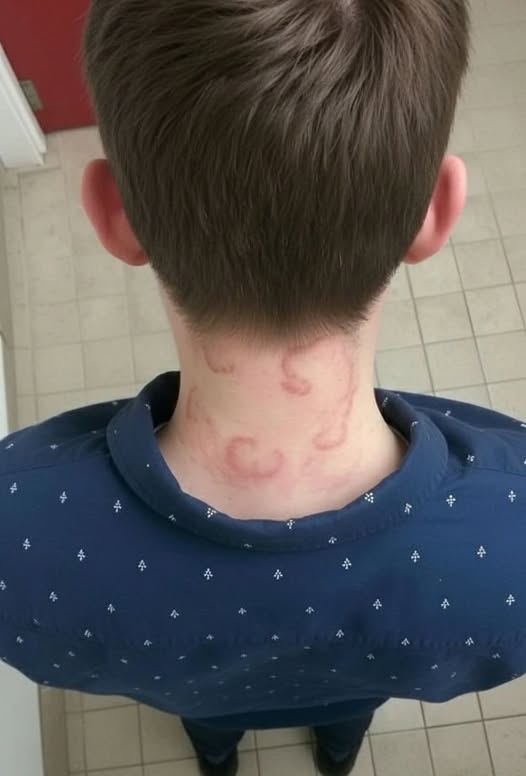
At some point, most people experience an unexplained itch or a sudden skin reaction. It may start as a small, harmless irritation—something easy to ignore. But in certain situations, that mild discomfort can quickly develop into something more noticeable and disruptive. The skin may become red, swollen, or develop raised patches that feel itchy or even slightly warm to the touch. These symptoms can appear without warning and disappear just as quickly, making them both confusing and frustrating.
In the beginning, it’s common to blame a simple cause. Many people assume the reaction is linked to something they ate, a product they used, or an environmental factor like dust or pollen. While this can sometimes be true, repeated episodes often suggest that there’s more going on beneath the surface.
One of the most important things to watch for is a pattern. If the skin reaction returns frequently, spreads to different areas of the body, or starts to interfere with sleep and daily activities, it may no longer be a temporary issue. The unpredictability of these flare-ups can make it difficult to pinpoint a clear cause, leaving many people feeling uncertain about how to manage the situation.
In many cases, a healthcare professional can help identify the condition. A common explanation for these symptoms is urticaria, widely known as hives. This condition is related to how the immune system responds to certain triggers. When the body reacts, it releases a substance called histamine into the bloodstream. This release causes small amounts of fluid to leak into the skin, forming the raised, itchy welts that are typical of hives.
These welts can vary in size and shape. Some may be small and clustered together, while others can grow larger and spread across wider areas of the body. They may come and go within hours, or last longer before fading. Although hives are often temporary, their frequency and intensity can differ greatly from one person to another.
There are many possible triggers for hives. Certain foods, medications, temperature changes, stress, and environmental factors can all play a role. In some cases, however, the exact trigger remains unknown, which can make prevention more challenging. This is why paying attention to your daily habits and surroundings can be helpful in identifying patterns over time.
Managing hives often involves a combination of awareness and consistency. Keeping track of when symptoms appear, what you’ve eaten, or any changes in your environment can provide useful insights. For many people, avoiding known triggers can significantly reduce flare-ups.
Treatment options are also available to help relieve symptoms. Over-the-counter remedies are commonly used for mild cases, while more persistent or severe symptoms may require guidance from a healthcare provider. Following professional advice and using recommended treatments can help improve comfort and reduce the impact on daily life.
It’s also important to recognize when to seek further support. If symptoms become more frequent, last longer than expected, or begin to affect your overall well-being, consulting a professional can provide clarity and reassurance.
Hives can be unpredictable, but they are often manageable with the right approach. By understanding the condition, identifying potential triggers, and taking consistent steps to care for your skin, it’s possible to stay in control and reduce discomfort. What may begin as a simple itch doesn’t have to become a lasting problem—with the right knowledge and care, relief is within reach.