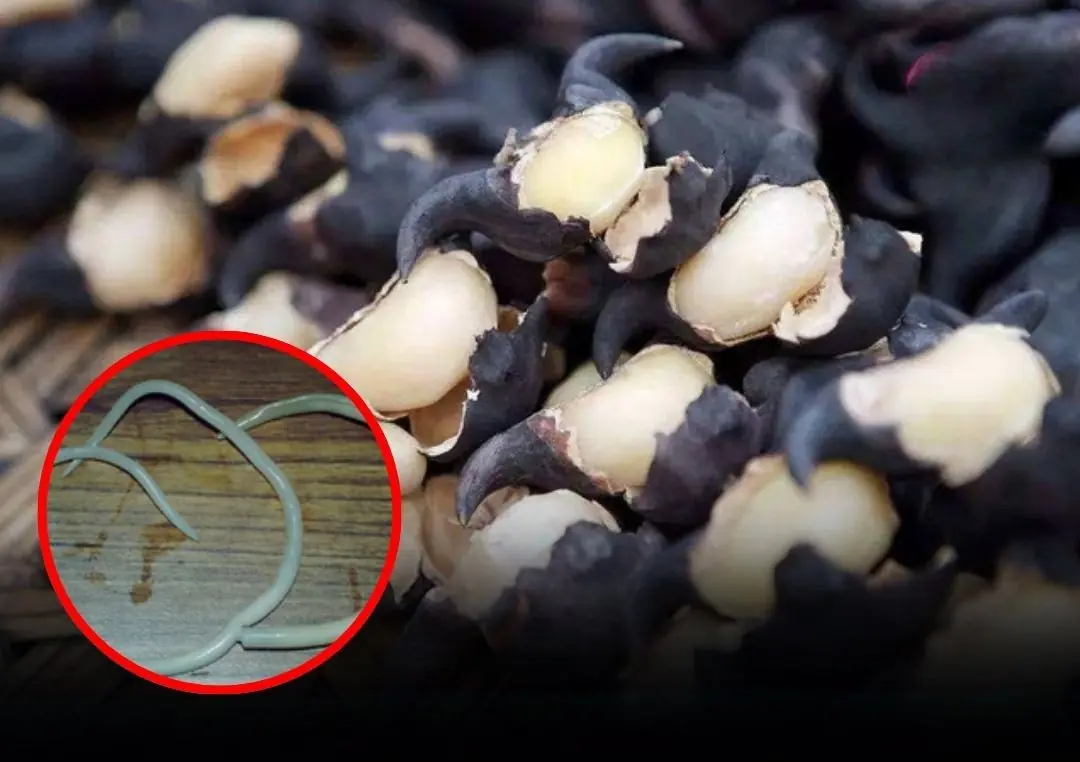
Vegetables are widely recognized as an important part of a healthy diet. They provide essential vitamins, minerals, fiber, and antioxidants that support overall well-being. Many people enjoy eating vegetables raw in salads, smoothies, or as fresh snacks because they offer natural flavor and nutritional value.
At the same time, fresh produce should always be handled and cleaned properly before consumption. Some online posts claim that certain vegetables contain “hidden worms” or dangerous parasites. These claims can sound alarming and often spread quickly on social media. In reality, many of these messages exaggerate the risks or misunderstand how contamination actually occurs.
Understanding how vegetables grow and how to prepare them correctly can help people enjoy them safely without unnecessary worry.
Concerns about raw vegetables often begin when plant fibers or natural structures inside vegetables are mistaken for worms. In other cases, images circulating online may show parasites taken from unrelated situations and presented without context. Occasionally, contamination can occur in agricultural environments, particularly if vegetables are exposed to polluted water or animal waste during cultivation. Even in those cases, proper washing and food preparation significantly reduce potential risks.
Vegetables grow in natural environments where soil, water, and insects are present. Because of this, small amounts of dirt, microbes, or insect larvae may sometimes appear on the outer surface of produce. These substances usually remain on the exterior rather than inside the vegetable itself. Washing vegetables carefully under clean running water is typically enough to remove most surface contaminants.
Leafy vegetables such as lettuce, spinach, and fresh herbs have multiple layers of leaves that can trap small particles of soil. Separating the leaves and rinsing them individually helps ensure they are properly cleaned. Vegetables that grow in water environments, such as watercress or other aquatic plants, should come from reliable sources because polluted water may introduce contaminants. When the source of these vegetables is uncertain, cooking them before eating can provide an additional level of safety.
Root vegetables including carrots and radishes grow directly in the soil, which means dirt can cling to their outer surfaces. Thorough washing and peeling can effectively remove this residue. Vegetables like cabbage and broccoli have dense structures where small particles may collect, but careful rinsing under running water can clear away most debris.
Sprouts are also frequently mentioned in discussions about food safety. While they are nutritious and commonly used in salads and sandwiches, the warm and humid conditions required for their growth can sometimes allow bacteria to multiply. Because of this, some health professionals recommend cooking sprouts, particularly for young children, older adults, or individuals with weakened immune systems.
Eating an unwashed vegetable does not automatically cause illness. The human digestive system is generally capable of handling many everyday microbes. However, regularly consuming produce that has not been cleaned properly may increase the chance of digestive discomfort or exposure to bacteria.
Simple kitchen habits can greatly improve food safety. Rinsing vegetables thoroughly under running water helps remove dirt and surface contaminants. Separating leafy vegetables before washing ensures that hidden particles are removed. Soaking vegetables briefly in clean water can loosen soil before a final rinse. Peeling root vegetables adds another layer of protection, and cooking produce from uncertain sources can further reduce possible risks.
Fresh vegetables remain one of the most valuable components of a balanced diet. Practicing proper cleaning and preparation techniques allows people to enjoy them safely. With a few simple habits in the kitchen, vegetables can continue to be a nutritious and reliable part of everyday meals.