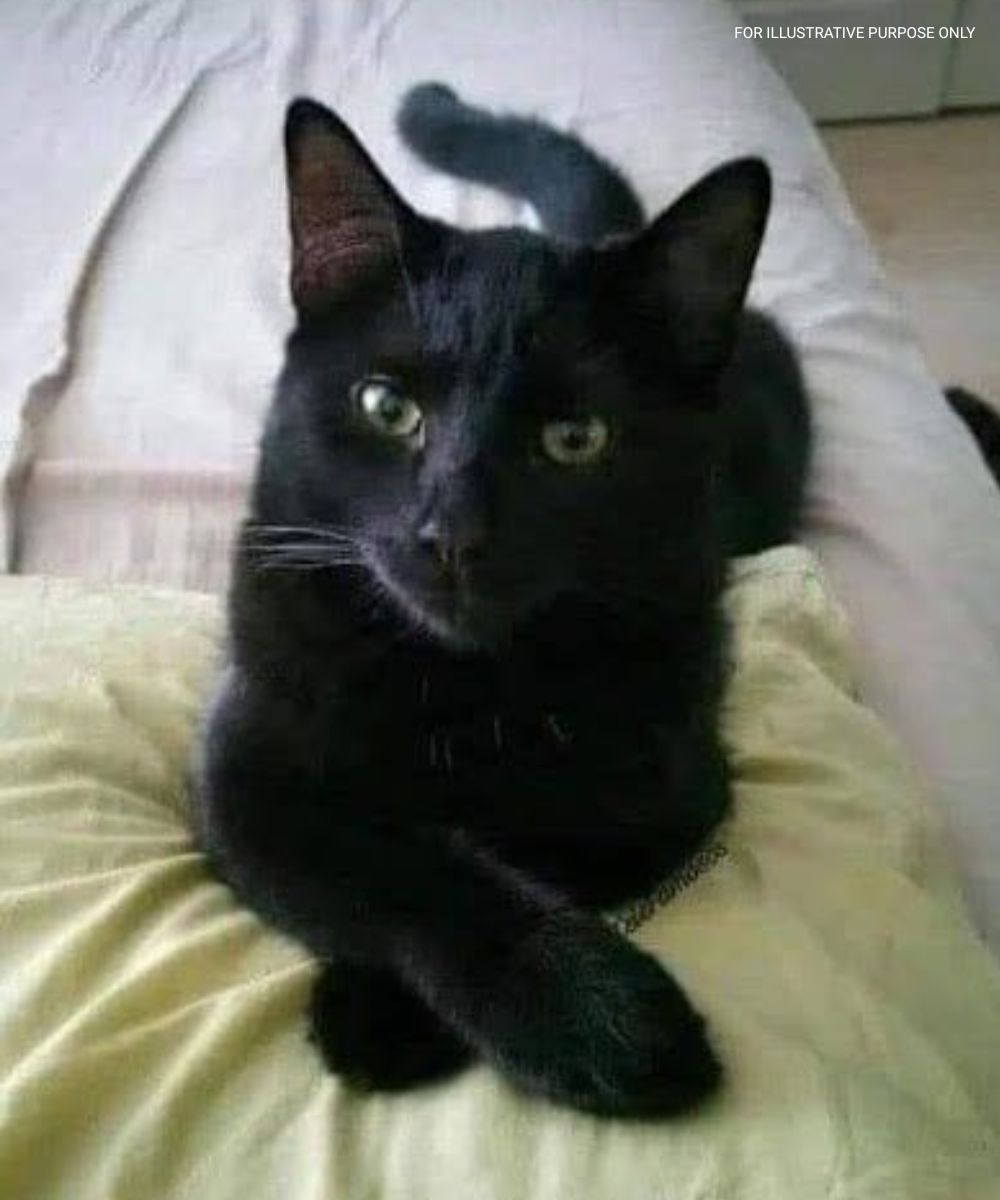
What It Can Mean When a Black Cat Approaches You
Have you ever paused when a black cat suddenly crossed your path or walked straight toward you? For centuries, encounters like this have captured human attention and imagination. Across different cultures and historical periods, black cats have been linked to a wide range of meanings, from cautionary symbols to signs of good fortune. How someone interprets the moment often depends more on personal belief and cultural background than on the animal itself.
So what does it actually mean when a black cat approaches you? The honest answer has two layers: what history and culture say, and what the cat itself is telling you. Let's look at both.
A Symbol With Two Faces
Few animals carry as much contradictory symbolism as the black cat. In some traditions it is a bringer of luck, protection, and prosperity. In others it is a warning, an omen, or worse. The same cat, the same quiet approach, can be read as a blessing or a bad sign depending entirely on where you stand and what you were taught to believe.
That contradiction is the real story here. The meaning of the encounter lives less in the cat and more in the centuries of human storytelling projected onto it.
The Dark Chapter: Fear and Misunderstanding in Medieval Europe
In medieval Europe, black cats were frequently misunderstood. Their dark fur and preference for nighttime activity led to fear and speculation, and they were unfairly connected to witchcraft and bad omens. These beliefs spread through folklore and persisted for generations, even though they were never supported by facts.
It is worth understanding how this happened. In an era before electric light, a black cat moving silently through the dark was genuinely startling. Folk belief filled the gaps in understanding with supernatural explanations, and once the association with witches took hold, it was reinforced by sermons, stories, and superstition. The belief that a black cat crossing your path brings bad luck is a direct descendant of this period, and it survives in some places to this day.
Ironically, this mistrust had real-world consequences. As cats were driven away, rodent populations increased, contributing to the spread of disease in crowded communities. Fear of cats made life measurably worse for the people who held it, a quiet historical lesson in how superstition can backfire.
The Bright Side: Good Fortune Around the World
In many other parts of the world, black cats were viewed in a much more positive light, and in some places they still are:
- Japan. Black cats have often been associated with good luck and new opportunities. In some traditions, a black cat is thought to ward off evil and bring prosperity to its owner.
- Coastal Britain. In certain coastal regions of the United Kingdom, black cats were believed to bring protection to sailors and their families. Fishermen's wives sometimes kept black cats at home, believing the animals would keep their husbands safe at sea.
- Ancient Egypt. Ancient Egyptians held all cats, including black ones, in high regard, seeing them as symbols of balance, protection, and domestic harmony. Harming a cat was a serious offense, and cats were mummified and honored after death.
These traditions remind us that the "black cat equals bad luck" idea is a regional story, not a universal one. In much of the world, meeting a black cat has always been considered a fortunate thing.
What the Cat Is Actually Telling You
Set the folklore aside for a moment, because the cat has its own much simpler message. According to animal behavior experts, cats tend to approach individuals who appear calm, familiar, or non-threatening, regardless of fur color.
A black cat walking toward you is usually just an animal acting on curiosity or comfort, not delivering a hidden message. Consider what might be going through the cat's mind:
- You seem safe. Cats are cautious by nature. Approaching a stranger means the cat has decided you are not a threat, which is genuinely a compliment.
- You might have food. Cats are excellent observers of human routines, and a cat that approaches people has often learned that people sometimes share snacks.
- You are warm and still. A seated, relaxed person is an inviting target for a cat looking for a comfortable spot.
- Simple curiosity. Cats investigate their environment constantly. You are part of the environment.
None of this depends on the color of the cat's fur. A black cat is not more mysterious, more magical, or more ominous than any other cat. It is simply a cat, doing cat things, in a dark-colored coat.
Why Black Cats Wait Longest for Homes
Here is where symbolism meets a real, modern problem. Shelter workers in many countries report that black cats are often the last to be adopted and the first to be overlooked. Their dark fur can make them harder to photograph well, so they get fewer clicks online. And lingering superstition, however faint, still steers some adopters toward lighter-colored cats.
This is a quiet tragedy, because black cats are every bit as affectionate, playful, and loyal as any other. Their sleek coats, often with striking green or gold eyes, are genuinely beautiful. Many owners of black cats describe them as especially personable, though every cat is an individual.
If you have ever felt moved by a black cat approaching you, consider that the most meaningful interpretation: not an omen, but an invitation. Shelters are full of black cats waiting for someone to look past the folklore and see the animal.
Frequently Asked Questions
Is it bad luck if a black cat crosses your path?
That belief comes from medieval European folklore and has no basis in fact. In several other cultures, including Japan and parts of Britain, the same event is considered good luck. The "meaning" is cultural, not real.
Why did a stray black cat follow me home?
Most likely reasons: it is hungry, it finds you non-threatening, or it is a lost or abandoned pet seeking help. If a stray follows you repeatedly, consider checking for a collar, asking neighbors, or contacting a local rescue about scanning for a microchip.
Are black cats really less likely to be adopted?
Many shelters report that black cats stay longer waiting for homes, partly because of photography challenges and partly because of lingering superstition. If you are adopting, give the black cats a second look.
Do black cats behave differently from other cats?
No. Coat color does not determine personality. Behavior varies by individual cat, breed tendencies, socialization, and environment, not by fur color.
What should I do if a black cat approaches me outdoors?
Enjoy the moment. If the cat seems healthy and cared for, it is probably a neighbor's pet out exploring. If it looks thin, injured, or distressed, you can offer water and contact a local rescue for guidance.
How You Can Help
If this article changed the way you see black cats, here is how to turn that into action:
- Adopt a black cat. They wait longest and love hardest. Visit your local shelter and ask to meet the black cats specifically.
- Foster. Temporary homes help shy or overlooked cats shine, and foster stories with good photos dramatically improve adoption chances.
- Donate or volunteer. Shelters need food, medical funds, and hands. Black cats benefit from every bit of it.
- Spay and neuter. Fewer unwanted litters means fewer cats of every color waiting in shelters.
- Share, don't scare. If someone repeats the bad-luck myth, share the brighter history. Folklore changes one conversation at a time.
Ultimately, the meaning of a black cat approaching you is shaped by perspective. Whether viewed through the lens of history, culture, or everyday life, it is most likely just a quiet reminder of how deeply symbolism influences the way we see the world. And sometimes, it is simply a beautiful animal deciding that you seem like a nice person. That is a pretty good omen all on its own.