You use your seat belt every time you get in the car. You pull the strap across your body, click it into the buckle, and start driving. It’s such a routine action that most people never stop to look closely at the belt itself.
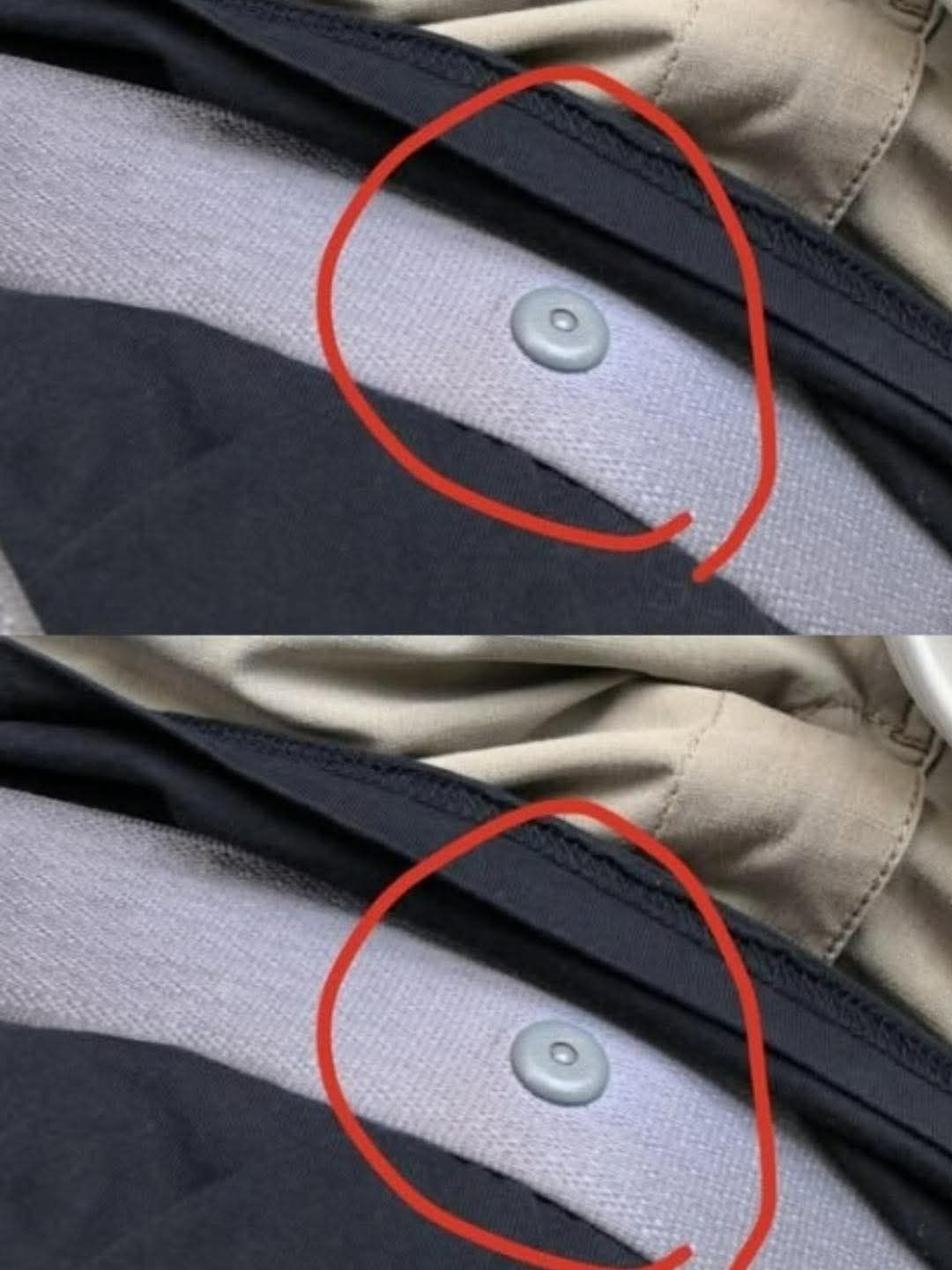
But there’s a small detail many drivers overlook: a tiny button on the shoulder strap that keeps the metal latch plate from sliding all the way down when you unbuckle.
It may seem minor, but this little feature plays an important role in both convenience and safety.
What Is That Button Called?
That small piece attached to the seat belt webbing is known as a seat belt stop button or seat belt retainer button.
It’s typically made of plastic or reinforced material and is secured to the belt a few inches above the metal latch plate. While it’s small and simple in design, its function is surprisingly practical.
What Does It Actually Do?
It keeps the latch plate within reach. When you unbuckle your seat belt, the strap retracts into the car’s retractor system. Without the stop button, the metal latch plate could slide all the way down toward the floor. The button prevents that from happening, keeping the latch plate in an easy-to-grab position for the next time you buckle up.
It helps reduce wear and tear. If the latch plate repeatedly slid too far down or struck interior surfaces, it could cause unnecessary strain on the seat belt webbing and surrounding trim. The stop button limits excess movement and reduces friction over time.
It improves everyday convenience. Instead of having to pull the latch plate up from near the floor each time you enter the vehicle, the button keeps everything neatly positioned and ready to use.
Does It Affect Safety?
The stop button itself does not directly control crash protection. The primary safety components of a seat belt include the webbing, the retractor mechanism, the latch plate and buckle, and built-in systems such as pretensioners and load limiters.
However, by keeping the latch plate correctly positioned and preventing unnecessary wear, the stop button indirectly supports the long-term reliability of the seat belt system.
Seat belts remain one of the most important safety features in any vehicle. According to the National Highway Traffic Safety Administration, wearing a properly functioning seat belt significantly reduces the risk of serious injury in a crash.
What If the Button Breaks?
Over time, the stop button can crack or loosen. If that happens, you may notice the latch plate sliding farther down the belt than usual when unbuckled.
In most cases, the seat belt will still function, but it’s wise to have it inspected if you notice damage. Keeping all components in good condition helps ensure both convenience and safety.
A Small Detail That Makes a Big Difference
The seat belt stop button is a simple but thoughtful feature. It may be small, yet it keeps your seat belt positioned correctly, reduces wear, and makes daily use easier.
It’s a reminder that even the smallest parts of a vehicle are designed with purpose.