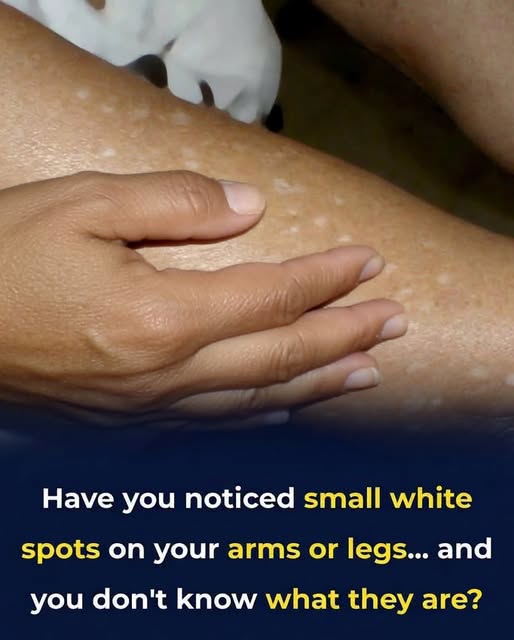
What Vitamin Deficiencies Can Cause White Spots on the Skin?
White spots on the skin can sometimes catch you by surprise. In many cases, these lighter patches are harmless and temporary, but they may also signal that your body is lacking certain nutrients. While vitamin deficiencies are not the only possible cause, maintaining proper nutrition plays an important role in supporting healthy skin.
How Skin Gets Its Color
Your skin depends on a variety of vitamins and minerals to produce melanin, the natural pigment responsible for skin color. Specialized cells called melanocytes produce melanin and distribute it to surrounding skin cells. When the body does not receive enough of certain nutrients, this process can be disrupted, and changes in pigmentation may occur, leading to lighter or uneven patches in some individuals.
It is important to keep perspective: nutrition is one piece of a larger puzzle. Genetics, sun exposure, inflammation, infections, and autoimmune activity all influence pigmentation too. But because nutrients are something you can actively manage, understanding their role is a practical starting point.
Vitamin B12: A Key Player in Pigmentation
One of the most important nutrients linked to skin pigmentation is vitamin B12. This vitamin supports healthy cell growth and helps maintain normal skin function. It is involved in DNA synthesis and the healthy turnover of skin cells, processes that keep pigmentation even and consistent.
Low vitamin B12 levels may affect the body's ability to produce pigment, which can contribute to pale or white areas on the skin. People who follow vegetarian or vegan diets may have a higher risk of developing a deficiency, since B12 is found primarily in animal products. Those with digestive conditions that reduce nutrient absorption, such as pernicious anemia or certain gut disorders, may also be at higher risk.
Beyond skin changes, B12 deficiency can cause fatigue, weakness, tingling in the hands and feet, and difficulty concentrating. If white spots appear alongside these symptoms, a blood test for B12 levels is a sensible step. Good dietary sources include meat, fish, eggs, dairy products, and fortified cereals or plant milks.
Vitamin D: The Sunshine Vitamin
Vitamin D is another essential nutrient for overall skin health. It helps support the immune system and contributes to normal skin function, including the healthy behavior of skin cells involved in pigmentation and repair.
Because the body produces vitamin D through sunlight exposure, people who spend little time outdoors or live in regions with limited sunlight may be more likely to have lower levels. This creates an interesting paradox: the same sunlight that helps the body make vitamin D can also damage skin in excess, so balance matters.
Dietary sources of vitamin D include fatty fish such as salmon and mackerel, egg yolks, fortified milk and cereals, and mushrooms exposed to sunlight. For people with very limited sun exposure, a healthcare professional can advise whether testing or supplementation is appropriate. Do not start high-dose supplements on your own, since vitamin D is fat-soluble and can accumulate to harmful levels.
Zinc and Copper: The Mineral Partners
In addition to vitamins, several minerals also contribute to maintaining healthy skin color.
Zinc supports skin repair and renewal. It is involved in cell division and immune function in the skin, and a shortage may affect the skin's natural pigmentation and overall appearance. Zinc is found in meat, shellfish, legumes, seeds, nuts, dairy, and whole grains.
Copper is directly involved in the production of melanin. An enzyme that helps convert the building blocks of pigment into melanin depends on copper to function. Severe copper deficiency is uncommon, but inadequate intake over time can theoretically affect pigmentation. Copper sources include shellfish, nuts, seeds, whole grains, beans, and dark chocolate.
These minerals work as part of a team. No single nutrient controls skin color on its own, which is why a varied diet matters more than any one "superfood."
Other Nutrients That Support Healthy Skin
While B12, D, zinc, and copper get the most attention for pigmentation, overall nutritional balance supports skin health:
- Vitamin C helps protect skin cells from oxidative damage and supports collagen production.
- Vitamin E acts as an antioxidant that helps protect skin from environmental stress.
- Vitamin A supports healthy skin cell turnover.
- Iron deficiency can cause paleness that is sometimes mistaken for pigmentation loss.
- Folate works closely with B12 in cell growth and repair.
Eating a balanced diet is one of the best ways to support healthy skin. Foods rich in essential vitamins and minerals include leafy green vegetables, beans, lentils, nuts, seeds, eggs, dairy products, fish, and fortified cereals. Including a variety of these foods in your meals can help your body receive the nutrients it needs for healthy skin.
Other Common Causes of White Spots
Although nutritional deficiencies may play a role, they are not the only explanation for white spots. Several skin conditions can produce similar symptoms and require different treatments:
- Fungal infections: Certain yeasts that live on the skin can cause light or dark patches, often on the chest, back, and shoulders. These are treatable with antifungal medications.
- Eczema: Healed eczema patches can leave temporarily lighter areas, especially in children.
- Post-inflammatory changes: After rashes, burns, or injuries heal, the skin may be left lighter or darker for a period of time.
- Vitiligo: An autoimmune condition in which the immune system attacks pigment cells, causing well-defined white patches that tend to spread.
- Idiopathic guttate hypomelanosis: Small white spots, often on the shins and forearms, that become more common with age and sun exposure.
Because these conditions require different treatments, it is important not to assume that diet is the only factor. Trying to fix a fungal infection with vitamins, for example, will not work and delays proper treatment.
When to See a Doctor
If white spots continue to spread, become more noticeable, or are accompanied by other skin changes, it is a good idea to consult a healthcare professional or dermatologist. A proper evaluation can help identify the underlying cause and determine the most appropriate treatment.
Seek evaluation sooner if the spots:
- Are spreading rapidly or merging into larger areas
- Have irregular borders or changing texture
- Are accompanied by itching, scaling, or pain
- Appear along with fatigue, numbness, or other whole-body symptoms
A doctor may order blood tests to check nutrient levels, examine the skin with special lighting, or take a small sample to rule out infection.
Frequently Asked Questions
Can white spots from vitamin deficiency be reversed?
When a deficiency is the cause, correcting it often improves skin appearance over time. Skin cells renew gradually, so visible improvement can take weeks to months.
Should I take supplements just in case?
It is better to test first. Supplements help when a true deficiency exists, but unnecessary supplementation can cause imbalances, especially with fat-soluble vitamins and minerals like zinc and copper that compete for absorption.
Are white spots contagious?
White spots caused by nutritional deficiencies are not contagious. Some fungal causes can spread through close contact, which is another reason proper diagnosis matters.
Does sunscreen help or hurt?
Sunscreen protects white patches, which burn easily because they lack protective pigment. It does not worsen the underlying cause.
Maintaining a nutritious diet, protecting your skin, and seeking medical advice when needed are all important steps toward keeping your skin healthy and maintaining an even skin tone.
This article is for informational purposes only and is not medical advice. Please consult a qualified professional.