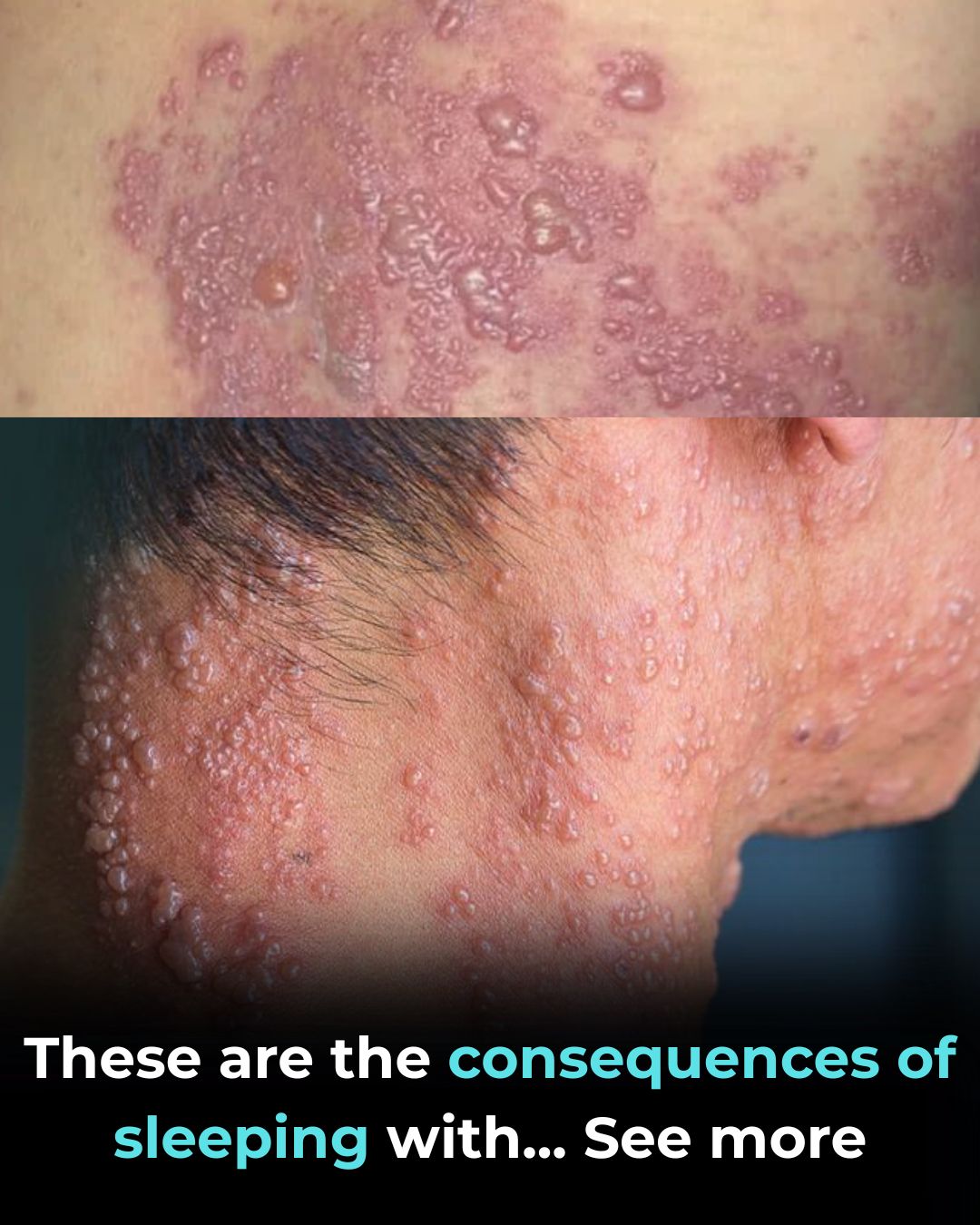
In recent years, health experts have been raising awareness about human papillomavirus (HPV), one of the most common viral infections worldwide. While discussions often focus on women’s health, HPV also affects men, making it important for everyone to understand how it works and how to stay protected.
HPV is often described as a “silent” virus because many people never notice symptoms. Even so, it can still have long-term effects on health. With the right knowledge and preventive habits, the risks can be reduced significantly.
HPV, or human papillomavirus, refers to a group of more than 200 related viruses. Some types are considered low-risk and may cause mild skin conditions, while others are high-risk and linked to certain cancers. Most sexually active individuals will come into contact with HPV at some point in their lives. In many cases, the body clears the virus naturally within one to two years, but some strains can persist and lead to more serious health concerns.
For men, HPV can be linked to a range of health issues, including throat and mouth conditions, skin growths in sensitive areas, and an increased risk of certain cancers such as anal or throat-related cancers. Because the virus is so common, it is not only a personal health concern but also something that affects public health more broadly.
HPV spreads through close skin-to-skin contact and does not require the exchange of bodily fluids. This makes it easier to transmit than many people realize. Even when there are no visible symptoms, the virus can still pass from one person to another, which is why many people may carry it without knowing.
Anyone can be affected by HPV. The likelihood of exposure can increase over time, especially with repeated contact with different strains. However, even a single exposure can lead to infection, which is why awareness is important for everyone.
In most cases, HPV does not cause noticeable symptoms. When symptoms do appear, they may include small growths in sensitive areas or changes related to the throat and voice. While many infections resolve on their own, persistent cases can sometimes lead to more serious conditions that require medical attention.
Beyond physical health, HPV can also affect emotional well-being. Some individuals may feel anxious or uncomfortable due to misunderstanding or stigma. Recognizing how common HPV is can help reduce unnecessary worry. Open conversations and access to accurate information can make a meaningful difference in how people cope with it.
There are several ways to reduce the risk of HPV. Vaccination is one of the most effective options and is recommended at an early age, though it can still be beneficial later in life. Practicing safer habits during intimate contact can help lower the risk, even if it does not eliminate it completely. Regular medical checkups allow for early detection of any related concerns. Maintaining a healthy lifestyle also plays a role, as a strong immune system can help the body clear infections more effectively. Honest communication with partners is another important step in promoting awareness and shared responsibility.
There are also common misunderstandings about HPV. Some people believe it only affects women, but men can be affected as well. Others assume that if there are no symptoms, there is no infection, which is not always true. HPV is extremely common, and vaccination is beneficial for everyone, not just one group.
Most HPV infections do not lead to serious problems and go away on their own. Staying informed, making thoughtful health choices, and seeking regular medical advice when needed can go a long way in reducing risks.
In the end, awareness is the most powerful tool. Understanding HPV helps remove stigma, encourages prevention, and supports better health decisions for both individuals and the wider community.