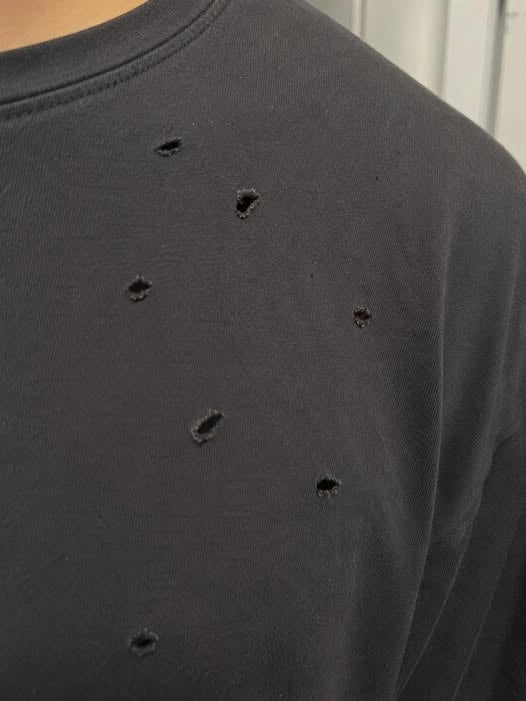
Finding small holes in your favorite T-shirts or other clothing can be frustrating. Many people assume the problem is caused by poor-quality fabric, harsh detergents, or even pests. However, the real cause is often much simpler and can usually be fixed with a few changes to your laundry routine.
If you have noticed mysterious holes appearing in your clothes after washing, understanding the most common causes can help you protect your wardrobe and extend the life of your garments.
Why Do Clothes Develop Small Holes?
At first, a tiny hole may seem like an isolated issue. But when more garments begin showing similar damage, it becomes clear that something is causing repeated wear and tear.
In many cases, holes are not the result of a single event. Instead, they develop gradually due to friction, stretching, and stress placed on fabrics during everyday use and washing.
The Role of Washing Machines
One of the most common causes of clothing damage is the washing machine itself. Top-loading machines with a central agitator can sometimes create extra stress on fabrics.
During the wash and spin cycles, clothing may become caught between moving parts or experience repeated pulling and twisting. Over time, this can weaken fibers and create small holes, particularly in lightweight cotton garments.
If you frequently notice damage near the lower front area of shirts, your washing machine could be contributing to the problem.
Everyday Friction Can Wear Fabrics Down
Laundry-related friction is not limited to the washing machine. Clothing often rubs against hard surfaces during daily wear.
Metal belt buckles, jean buttons, zippers, and other accessories can repeatedly contact fabric throughout the day. This constant rubbing gradually weakens fibers, especially in areas around the waistline. Eventually, the fabric may develop small tears or holes.
Because this process happens slowly, many people do not realize the damage is occurring until visible holes appear.
Simple Ways to Protect Your Clothes
Fortunately, preventing clothing damage is often easy.
Turning garments inside out before washing helps protect the outer surface from excessive friction. This simple habit can reduce visible wear and help fabrics maintain their appearance longer.
Using mesh laundry bags for delicate items is another effective solution. These bags help prevent snagging and reduce direct contact with rough surfaces during the wash cycle.
It is also important to avoid overloading the washing machine. When clothes are packed too tightly, they cannot move freely, increasing friction and stress on fabrics. Washing smaller loads allows water and detergent to circulate more effectively while reducing unnecessary wear.
Additional Tips for Longer-Lasting Clothing
Regularly inspect your washing machine for rough edges, loose parts, or damaged components that could catch fabric. Fastening zippers before washing and separating delicate items from heavier garments can also help minimize damage.
Choosing the appropriate wash cycle for each fabric type provides another layer of protection, especially for lightweight or delicate materials.
Final Thoughts
Small holes in clothing are often the result of repeated friction and mechanical stress rather than defective garments. By making a few simple adjustments to your laundry routine—such as turning clothes inside out, using protective laundry bags, and avoiding overloaded washes—you can significantly reduce wear and help your favorite clothes last longer.
A little extra care during laundry day can go a long way toward keeping your wardrobe looking its best.