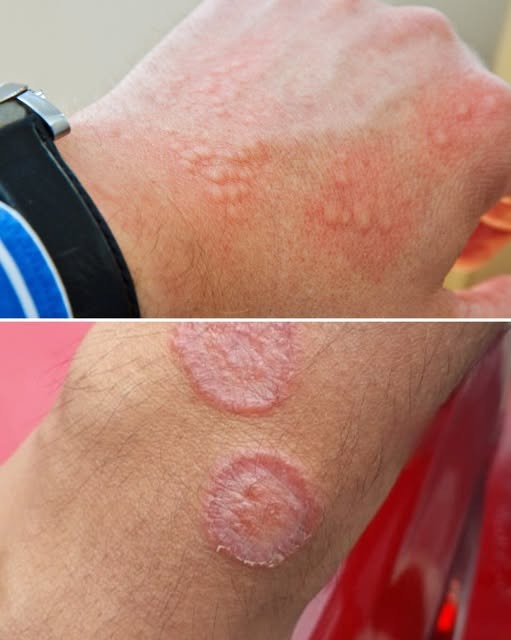
Skin reactions are common and often harmless. Many people experience temporary itching, redness, or irritation at some point, usually caused by allergies, stress, weather changes, or sensitivity to certain foods or products. In most cases, these symptoms disappear on their own without creating major health concerns.
However, the skin can sometimes provide important clues about what is happening inside the body. Certain reactions may appear mild at first but could become more serious when combined with additional symptoms affecting breathing or circulation.
One well-known skin condition is urticaria, commonly called hives. This condition causes raised, itchy welts that may appear suddenly on different parts of the body. The bumps can vary in size, move from one area to another, and sometimes disappear within hours before returning again.
Hives are often linked to allergic reactions triggered by foods, medications, insect bites, environmental factors, or emotional stress. On their own, they are usually manageable and not considered dangerous.
The situation becomes more concerning when skin symptoms appear alongside breathing difficulties or swelling. Warning signs may include shortness of breath, wheezing, tightness in the chest, dizziness, or swelling around the throat and face.
These symptoms may indicate a severe allergic reaction known as anaphylaxis. This condition can progress quickly and may affect several systems in the body at the same time.
What makes severe allergic reactions especially dangerous is how rapidly they can develop. A person may begin with mild itching or a few hives, only for symptoms to worsen within minutes.
Common triggers can include certain foods, medications, insect stings, or latex exposure. In some situations, the exact cause may not be immediately clear.
Recognizing the warning signs early is extremely important. If skin reactions are accompanied by breathing problems, throat swelling, or sudden dizziness, immediate medical attention should be sought.
Understanding the difference between a mild skin irritation and a potentially serious allergic reaction can help people respond quickly and protect their health when symptoms become more severe.