
Why Unfamiliar Objects Sometimes Appear on Car Door Handles and How to Respond Calmly
It usually happens during a routine moment. You approach your car just as you always do, keys already in hand, thoughts focused on the day ahead or the relief of heading home. Your movements are automatic, guided by habit and familiarity. Then something feels different. The door handle may not move as smoothly as expected, or the lock might not respond right away. At first it seems like a minor annoyance, something easily explained by weather, dirt, or normal wear. That brief pause, however, is worth paying attention to.
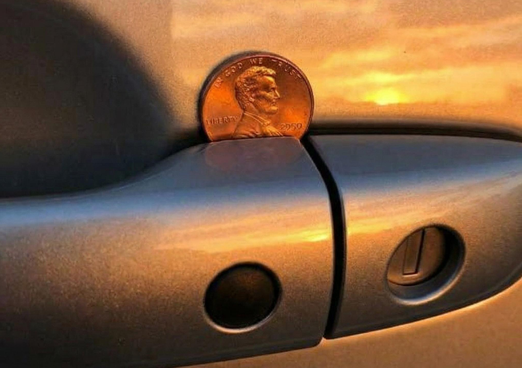
A closer look might reveal something unusual near the handle or lock: a small coin, a bit of debris, or another object that clearly does not belong. Moments like this have fueled countless viral warnings online. This article walks through what these objects usually are, what the evidence actually says about popular tampering claims, and how to respond with calm, practical steps.
The viral claims: the "penny trick" and similar stories
Over the past decade, social media has repeatedly circulated warnings about objects being placed on car door handles as a deliberate ploy. The best-known version is the so-called "penny trick," which suggests that placing a coin near the handle of the passenger-side door can prevent a car from locking properly, leaving it vulnerable to thieves later.
It is an unnerving story, and that is exactly why it spreads. But automotive experts have consistently pointed out that there is little evidence to support it as a workable method of tampering. Modern vehicle locking systems, whether key-based or keyless, are designed to handle minor obstructions, and the idea that a coin in the handle would selectively disable the central locking is not consistent with how these mechanisms work. A coin lodged near a handle may cause a door to feel stiff, but that is a mechanical inconvenience, not a remotely exploitable security flaw.
Other viral warnings have described tape, stickers, or small pieces of paper placed on doors, often paired with dramatic claims about abduction attempts. These stories are frightening, but investigators and fact-checkers have repeatedly found them to be exaggerated or unsubstantiated. That does not mean nothing bad ever happens in parking areas, but it does mean an unfamiliar object on your car deserves a rational response rather than an assumption of the worst.
What these objects usually turn out to be
Parking areas are full of loose items, and everyday factors explain most discoveries. Wind can blow paper, leaves, and small wrappers into the gap between a door and its frame. Coins fall out of pockets when people lean against cars. Dust, seeds, and road grit collect around handles over time. Vibration from traffic and weather changes can shift small items into surprising places. In most cases, the explanation is ordinary and harmless.
It also helps to remember that a door handle that feels different can have perfectly mechanical causes. Cold weather can make latches stiff. Dirt and road salt accumulate in the mechanism. Rubber seals age. If a door feels odd, a stuck object is only one possibility among several mundane ones.
The psychology of the moment: why it feels bigger than it is
The real reason these moments stand out is psychological. When a familiar routine is interrupted, the brain shifts from autopilot into alert mode. That sudden change draws attention and can briefly heighten awareness. Stress, fatigue, or distraction make this effect stronger, causing people to focus intensely on the unexpected detail rather than the broader situation.
This is a well-understood quirk of perception. Familiar objects in familiar settings are largely filtered out by the brain; when one detail breaks the pattern, it feels significant precisely because everything else matched the routine. An odd texture on the handle triggers a rapid what-is-this response before the slower, rational part of the mind has assessed the evidence. Viral warnings exploit exactly this reflex: they give the brain a ready-made frightening story before it has a chance to consider the mundane explanations.
Understanding this mechanism is not dismissing your instincts. It is separating the alert signal (pay attention) from the alarm conclusion (assume the worst). The healthy middle ground is calm, deliberate observation.
How to respond calmly: a practical checklist
If you find something unfamiliar on or near your vehicle, these steps keep you present and in control without unnecessary worry:
- Pause and take in your surroundings. Before touching anything, glance around. Are you in a well-lit, populated area? Do you notice anyone acting unusually? A quick scan of the environment matters more than the object itself.
- Look at the object before moving it. Identify what it is. A coin, a leaf, a piece of paper, and a piece of hardware all tell different stories. Take a photo if it seems genuinely suspicious, so you have a record.
- If it is harmless, remove it carefully. Pick it up, check that the handle moves freely, and confirm your locks engage. Test the central locking by locking the car and trying each door.
- Check the rest of the vehicle. Walk around once. Look at tires, windows, and the area near the ground for anything else unusual. This takes thirty seconds and gives real peace of mind.
- Do not rely on remote locking alone in that moment. Physically verify at least the driver's door handle after locking. This is good practice any time something has felt off.
- Escalate only if there is a pattern. One coin is wind or chance. Repeated objects appearing on your car, marks of forced entry, or actual suspicious behavior are worth reporting to security staff or the police.
Everyday habits that build confidence
Practicing this kind of awareness builds confidence rather than anxiety. A few standing habits help: keep your car locked at all times, even in your own driveway; park in well-lit areas when you can; keep valuables out of sight; and do a brief visual sweep as you approach the car rather than walking with your eyes on your phone. Keep your keys in your hand before you reach the car so you are not distracted at the door.
If you share a vehicle with family members, a short conversation about these habits, especially with younger drivers, is more useful than forwarding viral warnings. Teach the steps above rather than the fear.
Frequently asked questions
Can a coin really stop my car from locking?
There is little evidence for this claim. Modern locking systems are built to tolerate minor obstructions. A coin may make a handle feel stiff, but if your locks are not engaging, the far more likely causes are a weak key fob battery, a door sensor issue, or a worn latch, all of which a mechanic can check.
Should I call the police about a strange object on my handle?
For a single harmless item with no other signs of trouble, no. If you notice a repeated pattern, evidence of attempted entry, or threatening behavior, then yes, contact the appropriate local authorities or parking security.
Does the remote lock confirmation guarantee all doors locked?
Not always. On some vehicles, a fault in one door's latch can leave it unsecured even when the fob beeps or flashes. Periodically verify each door by hand, especially after anything has felt unusual.
How can I tell if a door is not fully latching?
Open and close each door with normal force and listen for a clean, single click. A door that needs slamming, bounces back, or shows a dashboard "door ajar" warning deserves a look at the latch and seals.
In an age of viral warnings and alarming headlines, discernment is essential. Not every unusual detail signals danger, but each one can serve as a reminder to slow down and stay mindful. Awareness is not about fear; it is about moving through daily life with intention and clarity. When awareness becomes a habit, small disruptions lose their power to unsettle. They simply become moments to pause, observe, and continue forward calmly.



