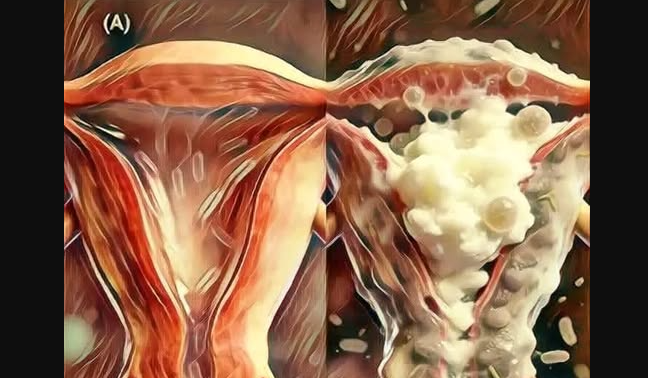
Intimate relationships are a natural part of adult life, but they can sometimes be followed by physical changes that people do not expect. Many of these effects are linked to how the body’s internal systems respond during and after close contact. One of the most important systems involved is the urinary system, which plays a key role in maintaining comfort and overall health.
Understanding how small habits influence this system can help reduce discomfort and support long-term well-being.
1. How the Urinary System Is Affected by Intimacy
The urinary system helps the body remove liquid waste and maintain proper chemical balance. It includes the kidneys, bladder, and urethra, all of which work continuously throughout the day. During intimate activity, this system may become more sensitive, especially due to natural anatomical differences.
In women, the urethra is shorter and located closer to other areas of the body, which can allow bacteria from the skin to move toward the urinary opening during close contact. This is a normal biological process and is not related to poor hygiene. Once bacteria reach the urethra, they may move upward if conditions allow.
In men, this process is less common because the urethra is longer, providing additional natural protection. However, bacteria can still enter and remain temporarily if the bladder is not emptied afterward. When bacteria stay in the urinary tract, they have more time to multiply and potentially cause irritation.
Recognizing this connection helps explain why simple habits can make a noticeable difference in comfort and urinary health.
2. Post-Activity Urinary Discomfort and Infection Risk
One possible outcome when bacteria remain in the urinary tract is a condition commonly referred to as post-activity urinary infection. This issue affects women more often and occurs when bacteria reach the bladder and cause inflammation.
Symptoms may not appear immediately and can include discomfort during urination, a frequent urge to urinate, lower abdominal pressure, or general unease. While not everyone experiences these symptoms, they are common enough that prevention is often discussed by healthcare professionals.
One widely recommended preventive habit is emptying the bladder after intimate activity. Doing so helps remove bacteria before they can move deeper into the urinary tract, reducing the likelihood of irritation or infection.
Although this habit cannot guarantee complete prevention, it provides an added layer of protection that supports overall urinary health.
3. Urination as the Body’s Natural Cleansing Process
Urinating after intimacy serves as a natural way to cleanse the urinary tract. As urine passes through the urethra, it helps flush out bacteria that may have entered during close contact. This reduces the chance of bacteria attaching to the urinary lining or reaching the bladder.
This process can also relieve mild pressure in the bladder and improve overall comfort. In women, it supports a healthy internal balance, which is important for maintaining natural protective bacteria.
Because this method relies entirely on the body’s natural function, it requires no medication and can be practiced consistently with minimal effort. Over time, this simple action may help lower the risk of recurring discomfort.
4. Building Habits That Support Long-Term Comfort
Supporting urinary and intimate health involves a combination of healthy habits. Staying hydrated, maintaining regular hygiene, and listening to your body all play a role. Urinating after intimate activity fits naturally into this routine.
It is important to seek medical advice if discomfort or infections occur frequently. Individual factors such as anatomy, hormonal changes, or underlying conditions can affect urinary health, and personalized guidance may be needed.
By understanding how the body responds and taking small preventive steps, people can support comfort and reduce the risk of future issues. Consistency and awareness help create a healthier foundation for daily life and long-term well-being.