
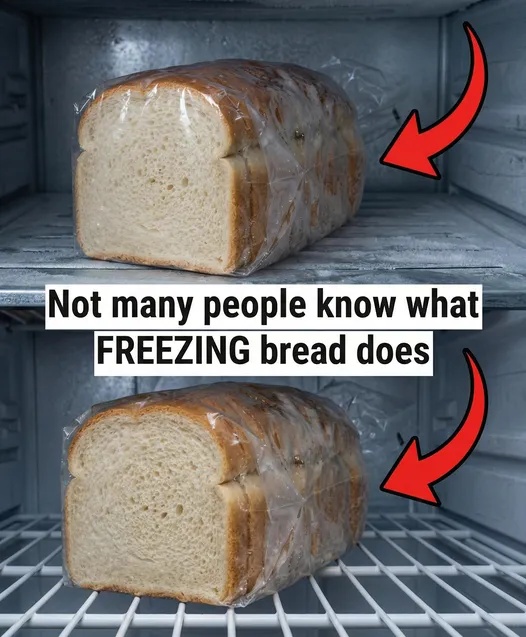
A Simple and Effective Guide to Freezing Bread Properly
In a busy household, bread can disappear almost as fast as it is brought home. Sandwich loaves, burger buns, bagels, and breakfast muffins are often gone within days. Buying bread in bulk during sales is a smart way to save money, but only if it is stored correctly. Freezing bread helps reduce food waste, stretches your grocery budget, and ensures you always have something ready for quick meals.
Freezing bread the wrong way, however, leads to disappointing results. Many people have opened the freezer to find slices stuck together, dried out, or covered with freezer burn. The texture becomes stiff, and the flavor suffers. These problems are usually caused by excess air in storage bags or uneven freezing.
The good news is that freezing bread properly is easy and does not require special equipment. This guide walks you through the whole process: how bread goes stale, the best freezing method step by step, how long different breads last, and how to thaw them so they taste fresh again.
Why Bread Goes Stale (and Why the Fridge Is Worse)
Before getting into the method, it helps to know what you are fighting. Bread stales through a process called starch retrogradation: after baking, the starch molecules slowly recrystallize and push water out, making the crumb firm and dry. This happens fastest at refrigerator temperatures, which is why storing bread in the fridge actually makes it go stale faster than keeping it at room temperature.
Freezing stops retrogradation almost completely. At freezer temperatures, the starch molecules barely move, so the bread stays close to its fresh-baked state. That is why frozen bread, thawed correctly, tastes far better than bread that sat in the fridge for three days.
What You Need
Nothing fancy. Gather these basics:
- A baking sheet
- Parchment paper or a clean kitchen towel
- Resealable freezer bags (freezer-grade, not thin sandwich bags)
- Aluminum foil or plastic wrap for extra protection (optional)
- A marker and tape or labels for dating
Freezer-grade bags matter because they are thicker and block moisture loss better than regular storage bags. If you only have regular bags, double-bagging works as a substitute.
Step-by-Step: How to Freeze Bread Properly
1. Start while the bread is fresh. Freeze bread the day you buy or bake it, or as close to that as possible. Freezing preserves the current state; it does not improve bread that is already going stale.
2. Slice first. If the loaf is not already sliced, cut it into even slices before freezing. This lets you grab exactly what you need later without thawing the entire loaf.
3. Pre-freeze in a single layer. Line a baking sheet with parchment paper and lay the slices in a single layer with none overlapping. Put the tray in the freezer uncovered for one to two hours. This step freezes each slice individually so they will not stick together later.
4. Bag it with the air pressed out. Transfer the firm slices into a resealable freezer bag. Press out as much air as possible before sealing. Air is the main cause of freezer burn, so this step is the most important one in the whole process.
5. Add a second layer of protection. For extra insurance, place the sealed bag inside a second freezer bag, or wrap the bag in aluminum foil. Store the bread flat so it keeps its shape and the slices stay easy to separate.
6. Label and date. Write the type of bread and the date on the bag. You will thank yourself later when the freezer holds three unlabeled loaves.
How Long Does Frozen Bread Last?
For the best taste and texture, use frozen bread within these time frames:
- Sandwich bread, buns, and bagels: up to 3 months
- Homemade yeast breads: 2 to 3 months
- Crusty artisan loaves (baguette, sourdough): 1 to 2 months for best crust, though they stay safe longer
- Muffins and quick breads (banana bread, cornbread): up to 3 months
Bread does not become unsafe after these windows; it just loses quality gradually. Bread stored properly at a constant 0°F or below stays safe to eat indefinitely, but texture and flavor decline over time.
The Right Way to Thaw Bread
How you thaw matters almost as much as how you freeze.
For individual slices: Take out only what you need and return the rest to the freezer right away. Slices thaw in about 10 to 15 minutes at room temperature, or go straight into the toaster. Most toasters have a defrost setting that handles frozen slices perfectly.
For a whole loaf: Leave it in its wrapping on the counter for a few hours. To revive the crust on artisan bread, sprinkle the loaf lightly with water and warm it in a 350°F oven for 10 to 15 minutes. This trick restores a crisp crust remarkably well.
Avoid the microwave for thawing bread unless you plan to eat it immediately. Microwaving makes bread tough and chewy as it cools.
Freezing Different Types of Bread
Not all breads freeze equally well.
Sandwich loaves and buns freeze beautifully and are the easiest to handle. Slice, pre-freeze, and bag.
Bagels freeze well too. Slice them in half first so they go straight into the toaster from frozen.
Crusty artisan loaves freeze well, but the crust softens after thawing. The oven-refresh trick above fixes this.
Pita and flatbreads stack neatly and thaw in minutes. Place parchment between pieces if you skip the pre-freeze step.
Homemade bread with no preservatives freezes just as well as store-bought, but freeze it the same day you bake it for the best results.
Breads with very high moisture fillings or delicate toppings, like frosted pastries, are trickier and best eaten fresh.
Common Mistakes to Avoid
- Freezing bread in its store bag. Thin store packaging lets air in and causes freezer burn. Always repackage.
- Leaving air in the bag. Squeeze it out. Air is the enemy.
- Thawing the whole loaf to take two slices. Slice before freezing so you never have to do this.
- Refreezing thawed bread. Refreezing degrades texture noticeably. Plan portions instead.
- Forgetting to label. Mystery bread gets wasted bread.
Frequently Asked Questions
Can you freeze bread twice?
Technically yes, but the texture suffers each time. It is better to freeze in portions so you only thaw what you will use.
Does freezing kill mold on bread?
No. Freezing stops mold growth but does not destroy existing mold or its toxins. Never freeze bread that already shows mold.
Is it better to freeze a whole loaf or slices?
Slices are more practical for most households because you can take out exactly what you need. Whole loaves work fine if you will use the entire loaf within a day of thawing.
Can I freeze homemade bread dough instead?
Yes, and many bakers prefer it. Freeze shaped dough after its first rise, then thaw and bake. But that is a topic for another guide.
With a little preparation, freezing bread becomes a reliable way to stay organized, reduce waste, and always have fresh-tasting bread available when you need it. Start with your next loaf and you will wonder why you ever let bread go stale on the counter.



