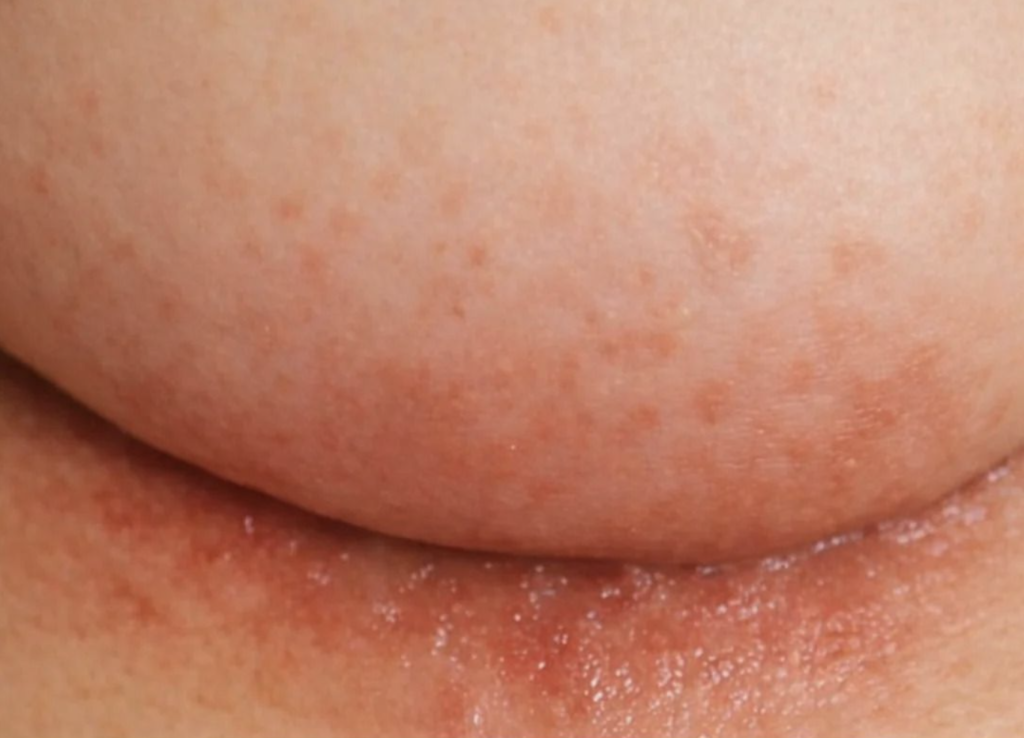
As winter arrives, many people notice their skin behaving differently than it does in warmer seasons. Cold outdoor temperatures combined with dry indoor heating can gradually strip moisture from the skin. This weakens the skin’s natural barrier and often leads to dryness, sensitivity, and irritation. One common concern during colder months is discomfort or itching beneath the breasts.
The skin in this area is naturally more delicate. It forms a fold where warmth, moisture, and friction can build up easily. In winter, heavier clothing, tighter layers, and limited airflow may increase irritation. When professional care is not immediately available, gentle home care can help calm symptoms, protect the skin, and reduce discomfort. The steps below focus on practical ways to manage an under-breast rash during winter.
1. Understanding a Common Cause of Winter Under-Breast Rashes
A frequent cause of irritation in skin folds is a condition often referred to as intertrigo. It develops when warmth, moisture, and friction combine over time. During winter, thick fabrics and layered clothing can trap heat and sweat, even in cool weather.
Typical signs may include redness, itching, tenderness, or a mild burning sensation. The skin may look smooth, shiny, or slightly inflamed. Symptoms often worsen when the area stays damp and improve when it remains clean and dry, which can help distinguish this type of rash from other skin issues.
2. Knowing When Medical Advice Is Needed
Many mild rashes improve with careful home care, but certain symptoms should not be ignored. Intense pain, spreading redness beyond the skin fold, fluid leakage, open or cracked skin, fever, or a general feeling of illness may signal an infection or another condition that requires medical attention. In these cases, professional evaluation is important.
3. Cleansing Gently to Avoid Further Irritation
Keeping the area clean supports skin comfort, but harsh washing can make irritation worse. Use lukewarm water and a mild, fragrance-free cleanser once or twice a day. Products with strong scents or antibacterial ingredients may dry the skin further and should be avoided.
Instead of scrubbing, gently cleanse with clean hands or a very soft cloth, allowing the water to rinse away residue. Gentle handling helps protect the skin’s barrier and promotes recovery.
4. Drying the Area Completely After Washing
Excess moisture can prolong irritation. After cleansing, carefully pat the area dry with a soft towel. Lifting the breast slightly can help ensure the skin fold is fully dry. If needed, a fan or a hairdryer on a cool setting can remove remaining dampness. Keeping the area dry often reduces itching and friction significantly.
5. Using a Protective Skin Barrier
Barrier products can help shield the skin while it heals. Options such as zinc oxide creams or simple petroleum-based ointments create a light protective layer that reduces friction and exposure to moisture. These products should be applied thinly to clean, dry skin to avoid trapping moisture.
6. Considering Topical Care for Persistent Redness or Itching
If redness and itching continue despite good hygiene and moisture control, a topical antifungal cream available over the counter may help. Products containing ingredients like clotrimazole or miconazole are commonly used. They should be applied as directed and continued for the full recommended period, even if the skin starts to improve sooner.
7. Preventing Recurrence During Cold Weather
Daily habits play a key role in prevention. Wearing breathable, moisture-wicking fabrics, choosing well-fitting bras, and changing out of damp clothing promptly can reduce friction. At home, allowing airflow to the area when possible supports skin balance. Staying hydrated and maintaining overall skin care during winter can also improve resilience.